







What's Happening?
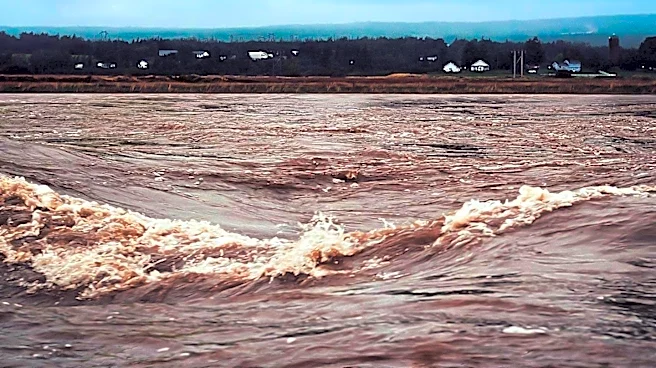
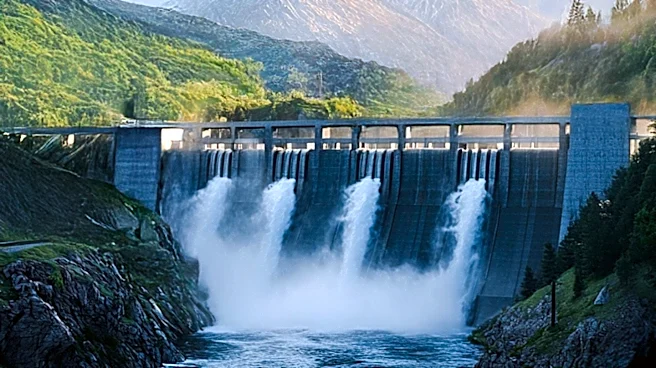
The U.S. Army Corps of Engineers is seeking proposals for a new method to drain Suicide Basin, aiming to avoid the extensive processes and paperwork typically involved. This initiative follows a recent glacial lake outburst flood. The Corps plans to collaborate
with public and private entities to find a cost-effective and timely solution. Previously, a gravity-drainage tunnel through Bullard Mountain was considered, with costs estimated between $613 million and $1 billion, and a timeline of up to a decade. The Corps is now looking for a solution that could be implemented in 'single-digit years' and at a lower cost. The urgency of the situation is underscored by the risk of flooding affecting local communities, with current solutions still posing a significant risk.
Why It's Important?
The development of a new flood mitigation strategy for Suicide Basin is crucial for the safety of local residents, as the area is prone to glacial lake outburst floods. The Army Corps' approach could set a precedent for handling similar environmental challenges across the U.S. By expediting the process and reducing costs, the Corps aims to protect communities more effectively. This initiative also reflects broader policy shifts under the Trump administration, which has emphasized reducing regulatory burdens to accelerate infrastructure projects. The outcome of this project could influence future environmental and infrastructure policies, balancing the need for rapid development with environmental protection.
What's Next?
The Army Corps plans to release a Request for Proposals (RFP) soon, inviting innovative solutions from various industries. The Corps will also continue short-term mitigation efforts for this year's flood events. The success of this initiative could lead to changes in how environmental assessments are conducted, potentially reducing the time required for such evaluations. Stakeholders, including local communities and environmental groups, will likely monitor the project's progress closely, given its potential impact on regional safety and environmental standards.