




What's Happening?
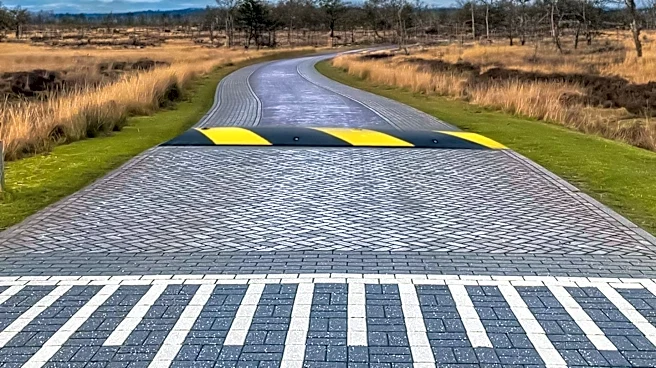
Residents in Louisville, Kentucky, are actively pushing for the installation of speed bumps near Seneca High School after a teenager was involved in an accident. The incident has brought to light existing pedestrian safety concerns in the area. A local
news outlet, WDRB, investigated the vicinity and reported findings of inadequate infrastructure, including areas lacking sidewalks, blocked bike lanes, and abrupt endings to pedestrian pathways. These conditions are contributing to an unsafe environment for students and other pedestrians, prompting the community's call for immediate action to enhance road safety and prevent future incidents.
Why It's Important?
This community initiative in Louisville underscores a critical national issue concerning pedestrian safety and urban planning, particularly around educational institutions. The lack of proper infrastructure, such as sidewalks and clear bike lanes, directly impacts the safety of students and residents, increasing the risk of accidents. The push for speed bumps reflects a broader public demand for local governments to prioritize pedestrian-friendly environments and traffic calming measures. This situation highlights the potential for local advocacy to drive policy changes and infrastructure improvements, which can significantly enhance public safety and quality of life in neighborhoods across the U.S. It also brings attention to the responsibilities of city planners and local authorities in ensuring safe passage for all citizens.
What's Next?
Following the community's advocacy, local authorities in Louisville will likely face increased pressure to address the pedestrian safety concerns near Seneca High School. This could involve conducting traffic studies, assessing the feasibility and impact of installing speed bumps, and reviewing existing urban planning for the area. Potential reactions from city officials might include public meetings to discuss solutions, allocation of funds for infrastructure improvements, or the implementation of pilot programs for traffic calming. The outcome will depend on the responsiveness of local government to community demands and the prioritization of pedestrian safety in their urban development plans. Residents will likely continue to monitor the situation and advocate for tangible changes.
Beyond the Headlines
The incident near Seneca High School and the subsequent community response reveal deeper implications regarding urban development and public health in American cities. The presence of blocked bike lanes and absent sidewalks is not merely an inconvenience but a systemic failure in creating equitable and safe public spaces. This issue disproportionately affects vulnerable populations, including students, who rely on walking or cycling for transportation. The community's demand for speed bumps is a localized symptom of a broader need for comprehensive urban planning that integrates pedestrian and cyclist safety from the outset, rather than as an afterthought. This situation could serve as a case study for other U.S. cities grappling with similar challenges, emphasizing the ethical imperative of designing cities that protect all residents, regardless of their mode of transport.