

What's Happening?
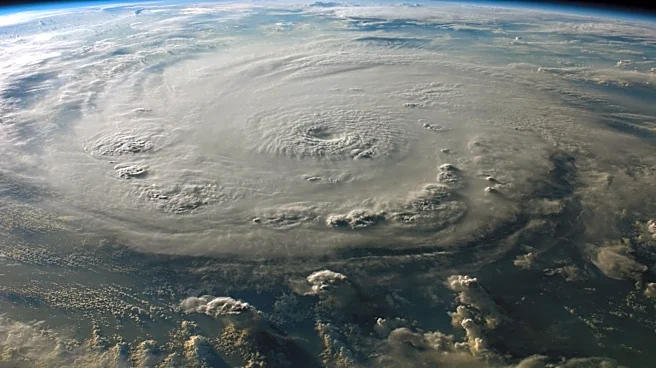
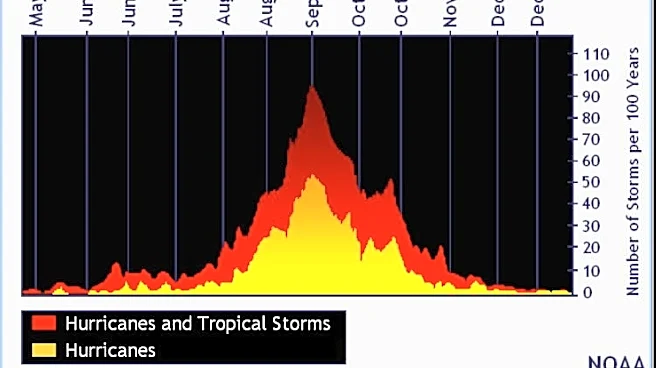
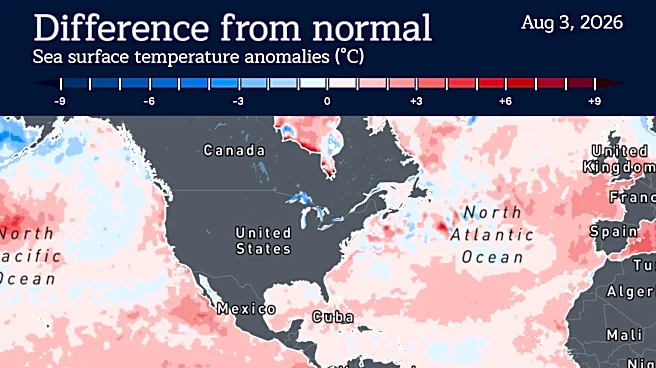
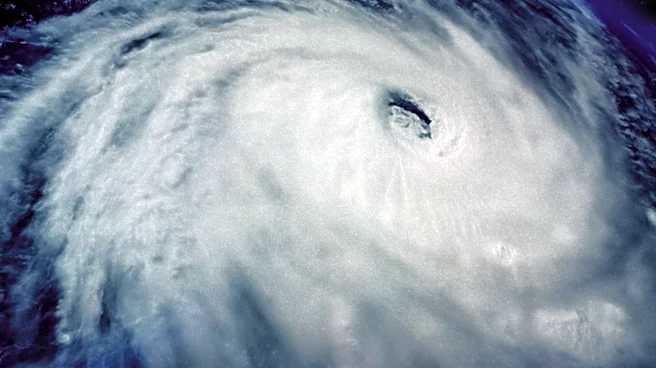
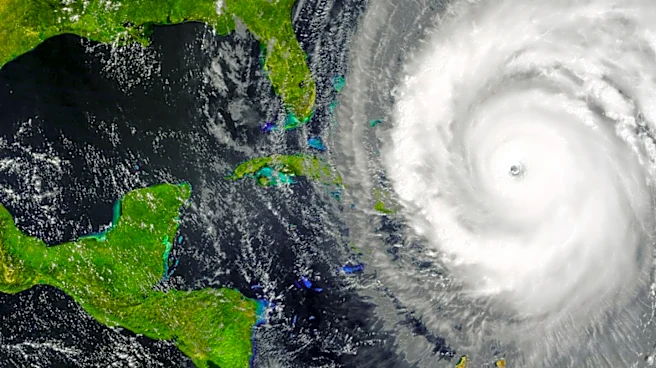
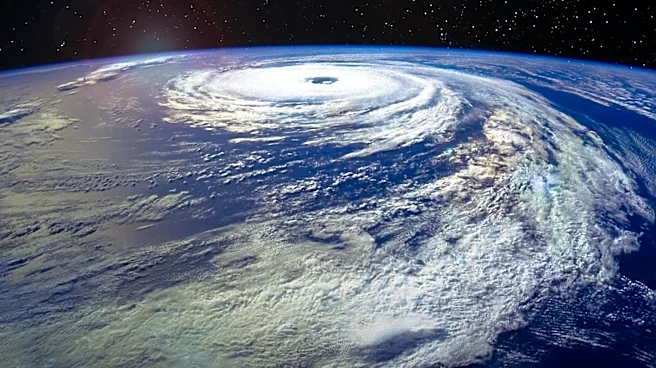
The 2026 Atlantic hurricane season is experiencing a notable reduction in activity, with only two named storms, Arthur and Bertha, having formed so far. This decrease in storm activity is attributed to the strengthening El Niño in the equatorial Pacific
Ocean, which is causing higher wind shear across the Atlantic basin, a region where many hurricanes typically form and intensify. The leading seasonal hurricane forecaster, Phil Klotzbach from Colorado State University, has revised his predictions downward, now expecting nine named storms and four hurricanes, significantly below the normal levels. The accumulated cyclone energy, a measure of the intensity and duration of tropical systems, is projected to be about 40% of normal levels. This quieter season is a relief for coastal residents in the United States, from Texas to Maine.
Why It's Important?
The strengthening El Niño has significant implications for global weather patterns, including a reduction in Atlantic hurricane activity. While this may seem beneficial for coastal regions in the U.S., the broader impact of El Niño is an increase in global temperatures. The current El Niño is expected to be one of the strongest on record, potentially leading to the hottest global temperatures ever recorded in 2027. This warming effect, compounded by climate change, poses risks to environmental stability and could exacerbate existing climate-related challenges. The reduced hurricane activity in the Atlantic is a temporary reprieve, but the long-term effects of rising global temperatures could lead to more severe weather events and environmental disruptions.
What's Next?
As the El Niño continues to strengthen, it is expected to influence weather patterns globally, with potential impacts on agriculture, water resources, and ecosystems. The scientific community will likely monitor these developments closely, providing updated forecasts and guidance. Policymakers and environmental organizations may need to consider adaptive strategies to mitigate the effects of rising temperatures and increased climate variability. The focus will be on preparing for potential extreme weather events and addressing the broader implications of climate change on a global scale.
Beyond the Headlines
The strengthening El Niño and its impact on global temperatures highlight the interconnectedness of climate systems and the need for comprehensive climate policies. The potential for record-breaking temperatures in 2027 underscores the urgency of international cooperation in addressing climate change. This situation may prompt renewed discussions on global climate agreements and the implementation of more aggressive measures to reduce greenhouse gas emissions. The ethical responsibility to protect vulnerable populations and ecosystems from the adverse effects of climate change will likely become a focal point in future policy debates.