
What's Happening?
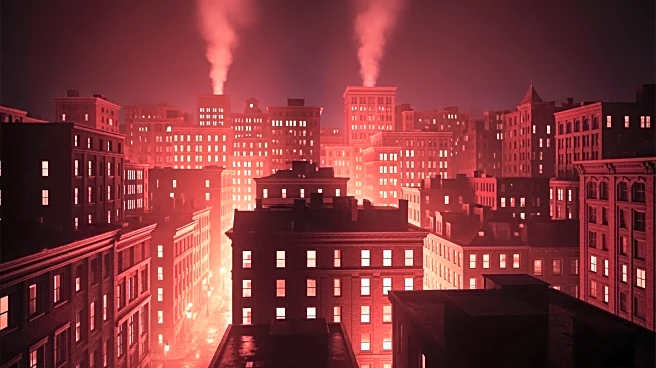
On February 7, 1904, the Great Baltimore Fire began, marking one of the most devastating urban fires in American history. The blaze destroyed over 1,500 buildings in central Baltimore, causing extensive
damage to the city’s infrastructure. The fire raged for over 30 hours, fueled by strong winds and the lack of standardized fire-fighting equipment, which hindered efforts to control the flames. The disaster highlighted the need for improved urban planning and fire safety measures, leading to significant changes in building codes and fire-fighting techniques across the United States.
Why It's Important?
The Great Baltimore Fire of 1904 had a profound impact on urban development and fire safety regulations in the United States. The destruction of a significant portion of Baltimore's business district underscored the vulnerabilities of urban centers to large-scale fires. In response, cities across the country reevaluated their building codes and fire-fighting strategies, leading to the adoption of more stringent safety standards. The fire also prompted the standardization of fire-fighting equipment, such as hose couplings, which previously varied between cities and hampered mutual aid efforts. This event served as a catalyst for modernizing urban infrastructure and improving emergency response capabilities, ultimately enhancing public safety.
What's Next?
In the aftermath of the Great Baltimore Fire, cities nationwide are expected to continue refining their fire safety protocols and urban planning strategies. The lessons learned from this disaster will likely influence future policies aimed at preventing similar occurrences. Urban planners and policymakers may focus on integrating advanced fire detection and suppression technologies into building designs, as well as enhancing coordination among fire departments across different jurisdictions. Additionally, ongoing public education campaigns about fire safety and emergency preparedness could play a crucial role in mitigating the impact of potential future fires.
Beyond the Headlines
The Great Baltimore Fire also had cultural and economic implications, as it disrupted the lives of thousands of residents and businesses. The rebuilding process provided an opportunity for architectural innovation and modernization, transforming Baltimore's skyline and setting a precedent for urban renewal projects. The fire's legacy continues to influence contemporary discussions about disaster resilience and the importance of sustainable urban development. As cities face new challenges related to climate change and population growth, the lessons from the Great Baltimore Fire remain relevant in shaping resilient and adaptable urban environments.