



What's Happening?
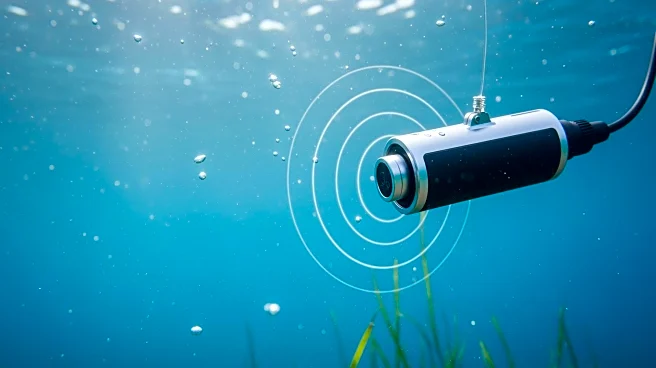
Researchers from the University of Victoria have developed a method to identify fish species by their sounds, using an underwater acoustic localization array. This study, conducted in Barkley Sound off Vancouver Island, linked sounds to eight rocky reef
species, including copper, quillback, and black rockfish. The research utilized machine learning to analyze sound characteristics, achieving up to 88% accuracy in species identification. This breakthrough addresses a long-standing challenge in marine science, as sound travels quickly underwater, making it difficult to pinpoint its source. The study also found that fish make sounds during various behaviors, such as courtship and predator evasion.
Why It's Important?
This advancement in identifying fish species by sound has significant implications for marine conservation and fisheries management. Passive acoustic monitoring is minimally invasive and allows for long-term data collection in challenging environments. By accurately identifying fish species, researchers can better monitor fish populations and their behaviors, aiding in the development of effective conservation strategies. This method could also help detect changes in fish populations due to environmental factors, contributing to the protection of marine ecosystems. As the technology advances, it may become a vital tool for ensuring sustainable fishing practices and preserving biodiversity.