



What's Happening?
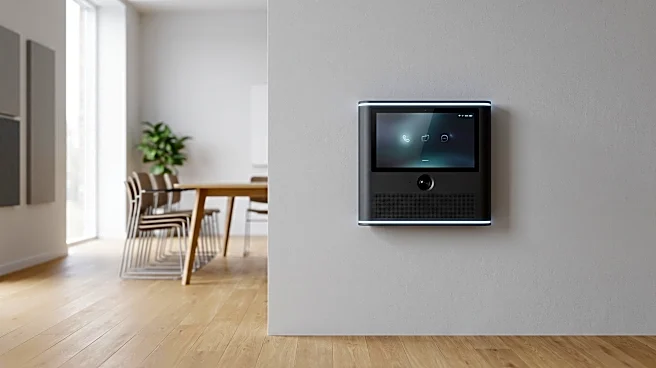
Lü has launched Hôp, a new compact, all-in-one wall-mounted interactive system designed for small to medium-sized multipurpose rooms. This system, which combines a laser projector, a 3D sensor, speakers, and LED lighting in a single unit, aims to bring
Lü's immersive interactive experience to spaces previously considered too small for their larger configurations. Hôp can be installed in approximately two hours without the need for ceiling rigging and operates with a standard electrical outlet. It features kiosk and energy-saving modes, detects users from a long range, and automatically turns on and goes to sleep. The system is designed for various applications, including senior living facilities for memory games and trivia, family entertainment centers, community centers, schools, and sensory rooms, offering activities that promote movement and engagement.
Why It's Important?
The introduction of Hôp by Lü signifies a notable advancement in making interactive technology more accessible to a wider range of community and recreational facilities across the U.S. By offering a compact and easily installable system, Lü addresses the limitations faced by organizations with smaller spaces, enabling them to provide engaging and active experiences. This innovation can enhance the quality of life for seniors through interactive games, offer dynamic learning and play environments in schools and community centers, and provide therapeutic benefits in sensory rooms. The system's autonomy, with features like kiosk mode, reduces the need for constant staff supervision, making it a cost-effective solution for facilities with limited resources. This expansion of interactive technology into more diverse settings could foster greater physical activity, cognitive engagement, and social interaction among various demographic groups.
What's Next?
Following its launch, Hôp is expected to be adopted by various U.S. community centers, senior living facilities, and educational institutions seeking to enhance their activity offerings. The system's ease of installation and operation may lead to quicker integration into existing facilities. Lü will likely continue to develop new applications and content exclusive to Hôp, expanding its utility and appeal. The success of Hôp could also influence other technology providers to develop similar compact interactive solutions, fostering a competitive market that further drives innovation in interactive recreational and educational tools for smaller spaces. Facilities considering Hôp will evaluate its long-term durability, content updates, and user engagement to determine its overall value.
Beyond the Headlines
The proliferation of compact interactive systems like Hôp could have broader implications for public health and community engagement. By making active and mentally stimulating activities more readily available in everyday spaces, these technologies can combat sedentary lifestyles and cognitive decline, particularly among older adults. For children, such systems offer an engaging alternative to traditional screen time, promoting physical activity and social skills in a fun environment. The design philosophy behind Hôp—creating immersive experiences without requiring large, dedicated spaces—reflects a growing trend towards integrating technology seamlessly into existing infrastructure to maximize utility and accessibility. This could lead to a re-evaluation of how public and private spaces are designed and utilized to support well-being and community interaction.