





What's Happening?
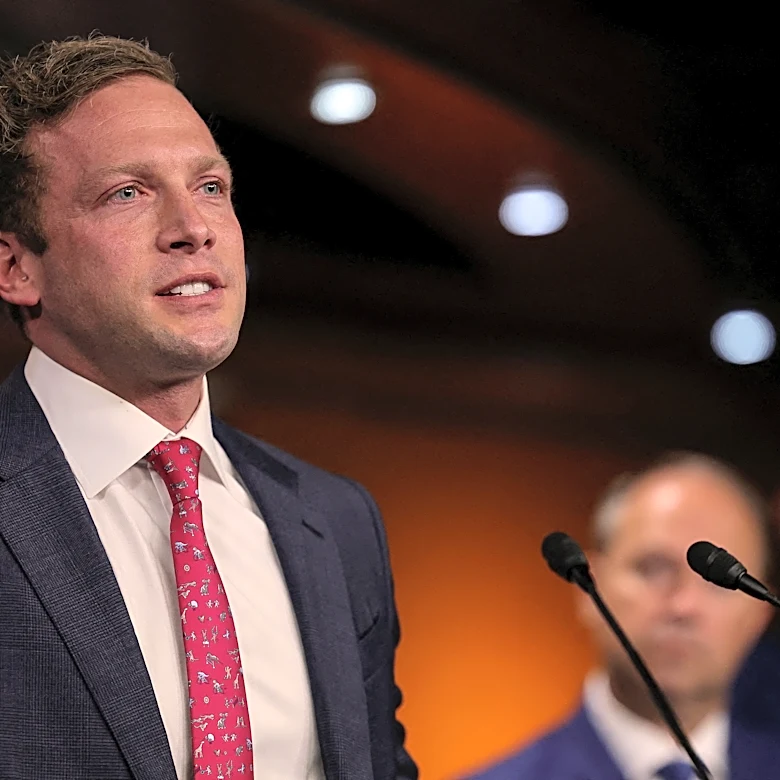
A group of Democratic lawmakers from Florida, including Representatives Maxwell Alejandro Frost, Kathy Castor, Jared Moskowitz, Lois Frankel, Darren Soto, Debbie Wasserman Schultz, and Frederica S. Wilson, have raised concerns about the state's plan to use
artificial intelligence (AI) to review Supplemental Nutrition Assistance Program (SNAP) recipients. The lawmakers have sent a letter to Florida Department of Children and Families Deputy Secretary Kathryn Williams and Governor Ron DeSantis, questioning a $4 million budget allocation for finding an AI vendor by September 1. This initiative is part of a broader effort to reduce errors in SNAP eligibility determinations. The lawmakers are worried about the use of AI, which they describe as 'new and relatively unproven technology,' and its potential to increase costs for the state. Florida's current SNAP error rate is 12.97%, and under a new federal law, states with error rates above 10% will have to cover 15% of total benefit costs starting in October 2027, potentially costing Florida $1 billion.
Why It's Important?
The use of AI in public assistance programs like SNAP is significant as it represents a shift towards technology-driven solutions in government operations. However, the concerns raised by the lawmakers highlight the potential risks associated with implementing untested technologies in critical social services. If the AI system fails to accurately assess eligibility, it could lead to increased costs for the state and potentially harm vulnerable populations who rely on these benefits. The decision also reflects broader debates about the role of technology in public policy and the balance between innovation and accountability. The outcome of this initiative could influence how other states approach similar technological integrations in public welfare programs.
What's Next?
The Florida lawmakers have given state officials until August 10 to respond to their inquiries. The response from the state will likely address the selection process for the AI vendor and the safeguards that will be implemented to ensure accuracy and fairness in SNAP eligibility determinations. Depending on the state's response, there could be further legislative or legal actions taken by the lawmakers to ensure that the implementation of AI in SNAP does not adversely affect recipients or lead to increased costs. The situation will be closely monitored by other states and stakeholders interested in the intersection of technology and public welfare.