


What's Happening?
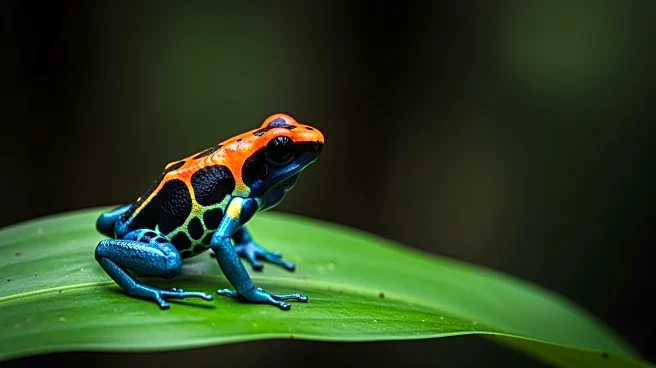
Five European countries have accused the Kremlin of poisoning Russian opposition leader Alexei Navalny with a lethal toxin derived from poison dart frogs. The foreign ministries of the U.K., France, Germany, Sweden, and the Netherlands announced that
analysis of samples from Navalny, who died in 2024, confirmed the presence of epibatidine, a toxin not naturally found in Russia. The countries stated that Russia had the means, motive, and opportunity to administer the poison, and they plan to report Russia to the Organization for the Prohibition of Chemical Weapons for breaching the Chemical Weapons Convention. Navalny, known for his anti-corruption campaigns and protests against President Vladimir Putin, died while serving a politically motivated 19-year sentence in an Arctic penal colony. His widow, Yulia Navalnaya, has consistently blamed Putin for her husband's death, a claim Russian officials deny.
Why It's Important?
The accusation against Russia highlights ongoing tensions between the Kremlin and Western nations, particularly concerning human rights and political dissent. The use of a chemical weapon in Navalny's poisoning underscores the lengths to which the Russian state may go to silence opposition. This development could lead to increased diplomatic pressure on Russia and further strain its relations with Europe. The incident also raises concerns about the safety of political dissidents in Russia and the potential use of chemical weapons in political conflicts, which could have broader implications for international security and human rights advocacy.
What's Next?
The European countries involved are expected to pursue action through international bodies like the Organization for the Prohibition of Chemical Weapons. This could lead to sanctions or other diplomatic measures against Russia. The Kremlin's response to these accusations will be closely watched, as it may influence Russia's foreign relations and its domestic policy towards political opposition. Additionally, the international community may increase efforts to protect dissidents and hold accountable those who use chemical weapons for political purposes.
Beyond the Headlines
The use of a rare toxin from South American frogs in Navalny's poisoning suggests a sophisticated level of planning and access to exotic poisons, raising questions about the extent of resources available to the Russian state for such operations. This incident may prompt discussions on the ethical implications of using chemical weapons in political conflicts and the need for stronger international regulations and enforcement mechanisms to prevent such abuses.