





What's Happening?
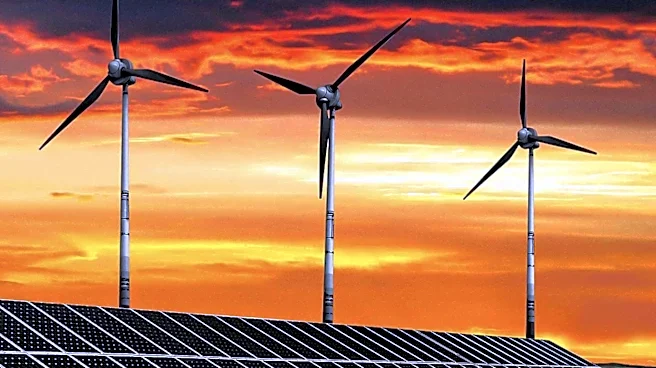
India is considering a significant wind energy repowering initiative aimed at increasing generation capacity at existing wind farms by almost 50% without requiring additional land. The Indian Wind Turbine Manufacturers Association (IWTMA) has identified
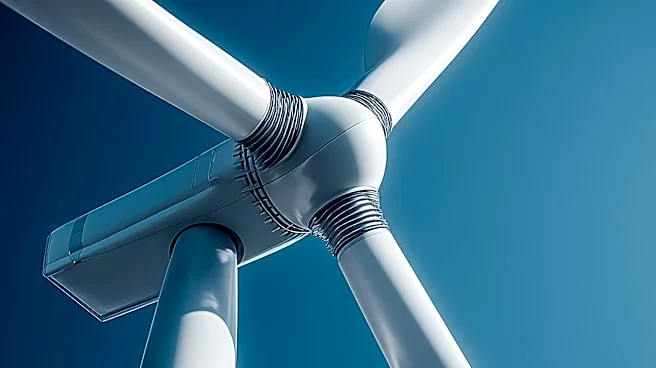
approximately 5–8 GW of aging wind power capacity suitable for immediate upgrade by replacing older, smaller turbines with modern, higher-capacity machines. The long-term repowering opportunity is estimated at around 25 GW. This initiative is being discussed with the central government and key wind-producing states, including Gujarat, Maharashtra, and Karnataka. The goal is to accelerate renewable energy deployment, improve land utilization, and enhance electricity availability, particularly when solar generation declines. The proposed upgrade involves replacing older turbines, many with capacities up to 2 MW, with new-generation machines ranging from 3 MW to 5 MW or higher. These modern turbines feature larger rotor diameters, taller towers, and improved operating technologies, enabling them to capture stronger and more consistent wind currents and generate substantially more electricity from individual locations.
Why It's Important?
This initiative is important for the U.S. and global renewable energy sector as it highlights a growing trend towards optimizing existing infrastructure rather than solely relying on new project development. The International Renewable Energy Agency estimates that 178 GW of wind projects commissioned before 2010 could be retrofitted by 2030, indicating a significant global opportunity for repowering. For U.S. companies involved in wind turbine manufacturing, technology development, or project financing, India's move could signal a substantial market for advanced wind turbine technology and related services. It also demonstrates a strategic approach to overcoming land acquisition challenges, a common hurdle in renewable energy expansion worldwide, including in parts of the U.S. The success of India's repowering program could provide a blueprint for other nations, including the U.S., looking to maximize renewable energy output from existing sites and accelerate their clean electricity transitions. This could also influence global equipment pricing and supply chains.
What's Next?
The commercial viability of India's repowering initiative will depend on several factors, including the cost of dismantling older turbines, investment required for new equipment, transmission infrastructure upgrades, and available electricity tariffs. Repowering projects may also necessitate changes to existing power purchase agreements, land arrangements, and grid connection approvals. A clear policy framework covering ownership rights, financial incentives, tariff arrangements, equipment disposal, and regulatory approvals will be essential to encourage investment. The safe dismantling and recycling of retired turbine components will also require attention as the scale of repowering increases. The IWTMA is working with states like Gujarat, Maharashtra, and Karnataka to develop an implementation roadmap and identify projects for early upgrades. The Ministry of New and Renewable Energy previously estimated that approximately 25 GW of India’s wind power installations with turbines below 2 MW could be considered for repowering, indicating a substantial future opportunity.
Beyond the Headlines
The repowering initiative in India underscores a critical shift in renewable energy strategy: maximizing the efficiency and output of existing assets. This approach has broader implications for sustainable development, as it reduces the environmental footprint associated with new land use and infrastructure development. Ethically, it promotes responsible resource management by extending the productive life of existing sites. Economically, it can offer a more cost-effective path to increasing renewable energy capacity compared to greenfield projects, especially in regions with high land costs or complex permitting processes. The focus on modernizing older infrastructure also highlights the rapid technological advancements in wind energy, where newer turbines offer significantly higher efficiency and capacity. This continuous innovation is crucial for achieving ambitious global climate goals and ensuring energy security.