






What's Happening?
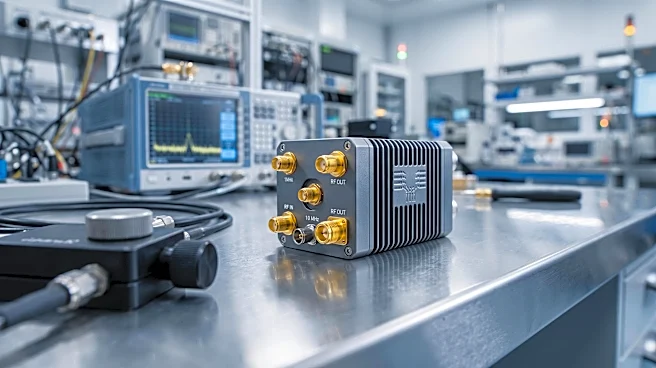
Raytheon, an RTX business, has been chosen to modernize the U.S. Space Force's global early warning radar systems. This initiative aims to enhance the capabilities of these critical defense assets. Raytheon's approach emphasizes rapid development to expedite
the delivery of new functionalities, ensuring the Space Force can quickly adapt to evolving threats and technological advancements. The company is also actively recruiting for various critical military programs, indicating a significant investment in its defense sector operations. Raytheon Technologies Corp (RTX) is a diversified aerospace and defense industrial company, formed from the merger of United Technologies and Raytheon, and its stock price was reported at $188.6. This modernization effort underscores the ongoing commitment to strengthening national security infrastructure through advanced technological solutions.
Why It's Important?
This contract award to Raytheon is significant for U.S. national security and the defense industry. Modernizing global early warning radars is crucial for maintaining the nation's ability to detect and track potential threats, providing vital time for response. The emphasis on rapid development means that new defensive capabilities can be deployed more quickly, enhancing the U.S. Space Force's operational readiness and technological edge. For Raytheon, this contract solidifies its position as a key defense contractor and highlights its expertise in advanced radar systems. The active hiring for military programs suggests a boost in employment within the defense sector, contributing to economic stability and technological innovation. This investment in defense infrastructure also signals a broader commitment to safeguarding U.S. interests in space and on Earth, impacting strategic military planning and international relations.
What's Next?
Following this selection, Raytheon will proceed with the rapid development and implementation phases of the modernization program for the U.S. Space Force's early warning radars. This will likely involve extensive research, engineering, and testing to integrate new technologies and capabilities into the existing infrastructure. The company's active recruitment efforts indicate an expansion of its workforce to support these critical military programs, suggesting ongoing job opportunities in the defense sector. The successful modernization of these radar systems is expected to enhance the Space Force's ability to monitor and respond to global threats more effectively. Future developments will likely include further technological advancements and potential upgrades as the threat landscape evolves, ensuring continuous improvement in national defense capabilities.
Beyond the Headlines
The modernization of U.S. Space Force early warning radars by Raytheon carries deeper implications beyond immediate defense capabilities. This initiative reflects a broader strategic shift towards enhancing space-based defense assets, acknowledging the increasing importance of space in modern warfare and national security. The rapid development approach could set a precedent for future defense contracts, emphasizing agility and quick deployment of advanced technologies. Ethically, the development of more sophisticated surveillance systems raises questions about data privacy and the potential for dual-use technologies. Culturally, it reinforces the narrative of technological superiority as a cornerstone of national defense. Long-term, this investment could spur further innovation in radar technology and space-based defense, potentially leading to new industries and scientific breakthroughs, while also influencing international arms control discussions and the militarization of space.