


What's Happening?
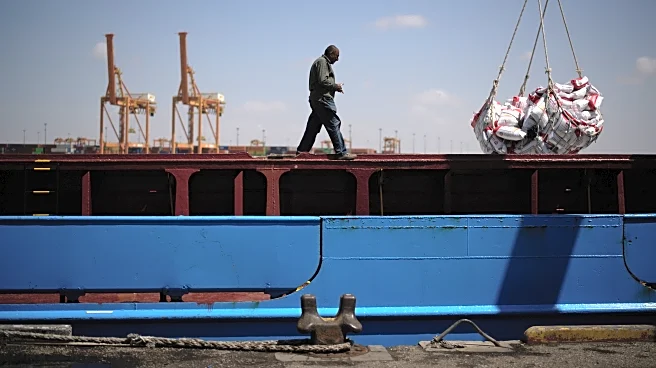
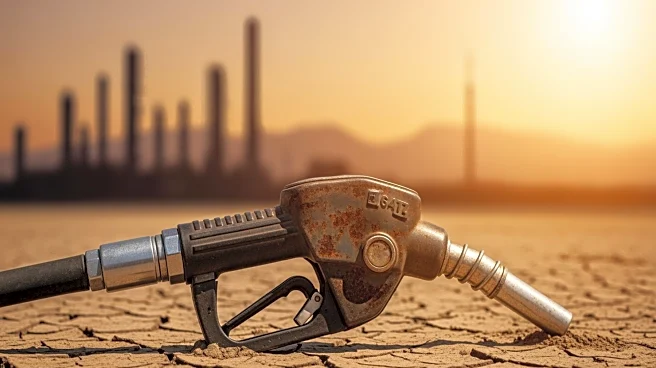
The war involving Iran has triggered a global fuel crisis, affecting economies far beyond the Middle East. In Thailand, fuel shortages have led to long queues, rising prices, and operational shutdowns in key sectors such as farming and logistics. The crisis has also
impacted suburban Bangkok, where a temple that provided free cremations during the COVID-19 pandemic is now struggling due to fuel shortages and rising costs. The disruptions in fuel supply chains and subsidy cuts are affecting transport, agriculture, and essential services, highlighting the global ripple effects of the Middle East instability.
Why It's Important?
The global fuel crisis underscores the interconnectedness of international supply chains and the far-reaching impact of geopolitical conflicts. Economies reliant on stable fuel supplies are facing significant challenges, with rising costs affecting transportation, agriculture, and essential services. This situation could lead to increased inflation and economic instability in affected regions, prompting governments to reassess energy policies and seek alternative sources. The crisis also highlights the vulnerability of global markets to regional conflicts, emphasizing the need for diversified energy strategies and international cooperation to mitigate such impacts.
What's Next?
Countries affected by the fuel crisis may implement measures to stabilize their economies, such as seeking alternative energy sources or negotiating with suppliers for better terms. Governments might also consider subsidy adjustments to alleviate the burden on essential services and consumers. International diplomatic efforts could focus on resolving the conflict in Iran to restore stability in fuel supply chains. Additionally, global discussions on energy security and diversification may gain momentum, encouraging investments in renewable energy and sustainable practices.