



What's Happening?
Ukrainian President Volodymyr Zelenskyy has extended an open invitation to Russian President Vladimir Putin for direct talks to end the ongoing conflict between their nations. In a letter published on the Ukrainian presidency's website, Zelenskyy expressed
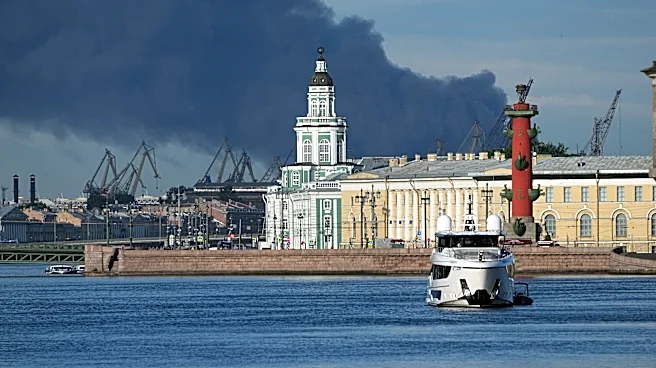
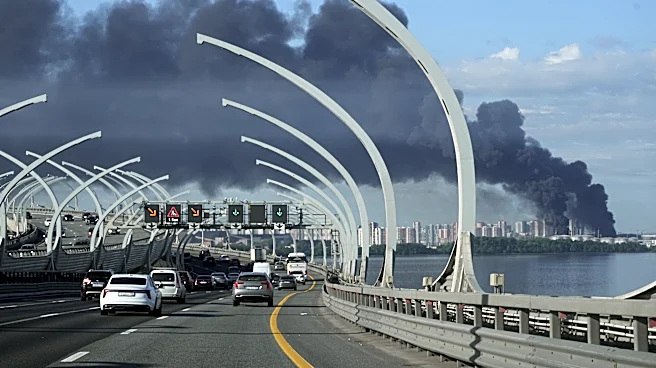
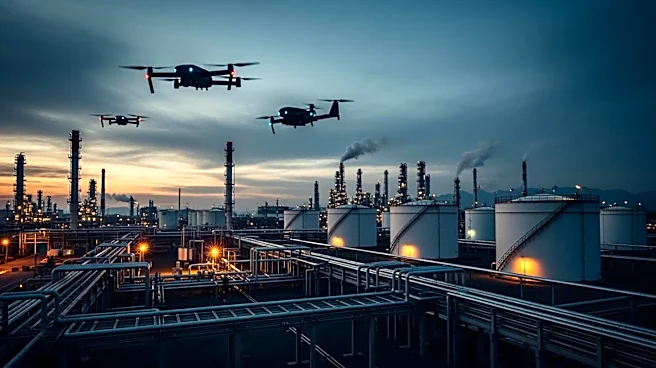
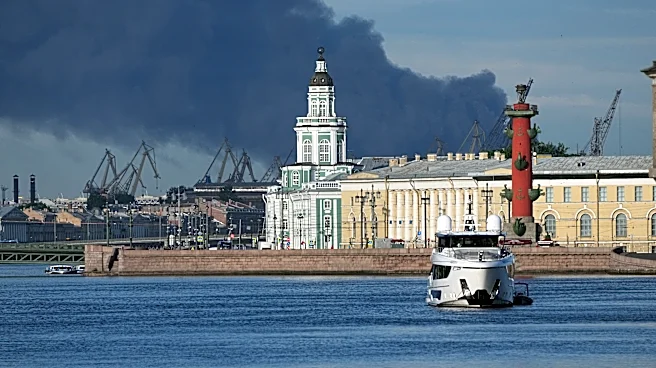
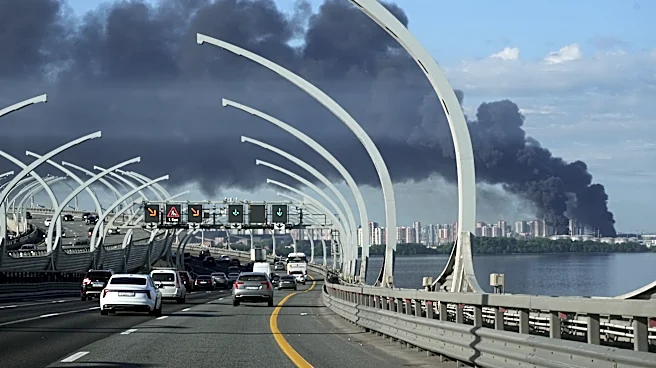
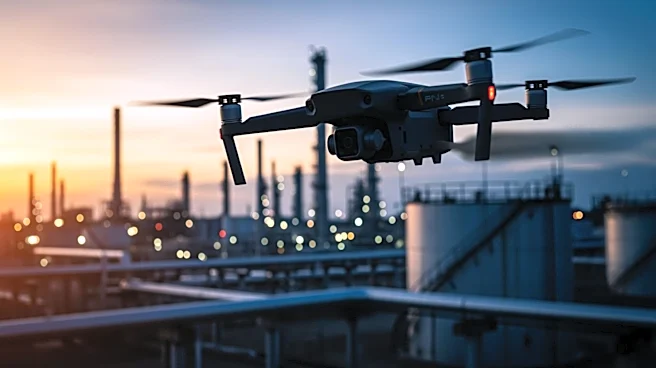
Ukraine's readiness for a full ceasefire during negotiations. This outreach comes as Ukraine has intensified its drone attacks on Russian territories, including significant strikes on economic targets in St. Petersburg. Meanwhile, President Putin, speaking at the St. Petersburg International Economic Forum, maintained that Russian forces are advancing and that Russia holds significant control over annexed regions in Ukraine. Despite these claims, independent analyses suggest that Russian advances have stalled, with heavy casualties reported among Russian troops.
Why It's Important?
The proposal for direct talks between Zelenskyy and Putin marks a potential shift in diplomatic efforts to resolve the conflict, which has seen significant escalation with Ukraine's increased drone capabilities. The ongoing war has profound implications for regional stability and international relations, particularly as it involves NATO and Western nations. The conflict has strained global economic conditions, affecting energy markets and international trade. A resolution could potentially ease these tensions and stabilize the region. However, the success of such talks remains uncertain, given the entrenched positions of both leaders and the complex geopolitical stakes involved.
What's Next?
If Zelenskyy's proposal for talks is accepted, it could lead to a new phase of negotiations aimed at de-escalating the conflict. However, Putin's demands, including Ukraine's recognition of Russian control over annexed territories, remain a significant hurdle. The international community, particularly NATO and Western allies, will likely play a crucial role in facilitating or mediating any potential talks. The outcome of these negotiations could significantly impact the geopolitical landscape in Eastern Europe and beyond.