






What's Happening?
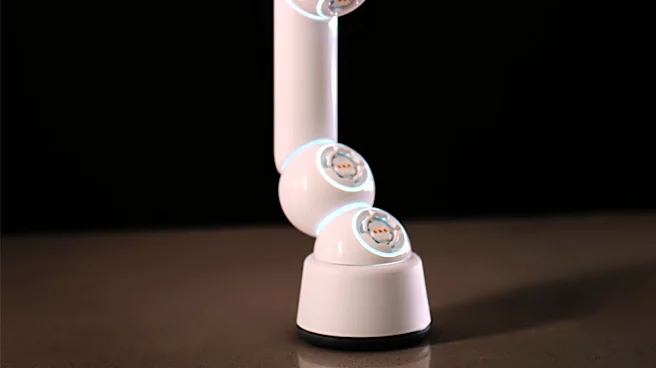
The U.S. Food and Drug Administration (FDA) has granted marketing authorization for the Aletta, a groundbreaking standalone robotic device capable of drawing blood from a patient's arm without direct human intervention. This authorization, issued through
the De Novo pathway for low- to moderate-risk devices, marks the first time such a device has been approved. The Aletta is authorized for use in adults within outpatient settings and requires oversight from a phlebotomy-trained supervisor, with one supervisor able to manage up to three devices simultaneously. The device autonomously handles the entire blood draw process, from guiding arm positioning and locating a suitable vein using near-infrared light and Doppler ultrasound, to applying a tourniquet, preparing the skin, inserting and disposing of the needle, changing collection tubes, and applying a bandage. Safety features include automatic needle detachment if the patient moves excessively and continuous disinfectant application during the ultrasound scan.
Why It's Important?
This FDA authorization of the Aletta is a significant development for the U.S. healthcare system, particularly in addressing the ongoing shortage of trained phlebotomists. Blood draws are among the most common medical procedures, and delays due to staffing issues can impact patient care and diagnostic timelines. The Aletta's ability to perform blood draws autonomously, under supervision, offers a potential solution to alleviate this workforce strain, improve efficiency in outpatient settings, and potentially reduce wait times for patients. The device's advanced safety features and demonstrated success rates, comparable to or better than human phlebotomists across diverse patient populations, underscore its potential to enhance the quality and consistency of blood collection. This innovation aligns with the FDA's commitment to advancing medical devices that meet critical public health needs and could pave the way for further automation in routine medical procedures.
What's Next?
Following this authorization, Vitestro, the manufacturer of the Aletta, will likely begin wider deployment of the device in U.S. outpatient settings. Healthcare providers and clinics will need to integrate the Aletta into their existing workflows, which will involve training supervisors in its operation and ensuring compliance with the FDA's established special controls related to labeling, performance testing, and clinical testing. The adoption rate will depend on factors such as cost-effectiveness, ease of integration, and continued demonstration of its benefits in real-world clinical environments. Further research and development may focus on expanding the device's capabilities, such as use in different patient populations or settings, or integrating it with other diagnostic technologies. The success of the Aletta could also spur innovation in other areas of automated medical procedures, potentially transforming various aspects of clinical care.
Beyond the Headlines
The introduction of robotic phlebotomy devices like the Aletta raises broader implications for the future of healthcare and the medical workforce. While addressing staffing shortages, it also prompts questions about the evolving role of healthcare professionals. Phlebotomists, for instance, may shift from performing manual blood draws to supervising automated systems, requiring new skill sets focused on technology management and patient interaction in a different capacity. This technological advancement also highlights ethical considerations regarding patient comfort, trust in automation, and the balance between human touch and machine efficiency in medical procedures. Furthermore, the Aletta's success could accelerate the development and regulatory approval of other autonomous medical devices, leading to a more automated and technology-driven healthcare landscape, which could impact training programs, job markets, and the overall patient experience in the long term.