
What's Happening?
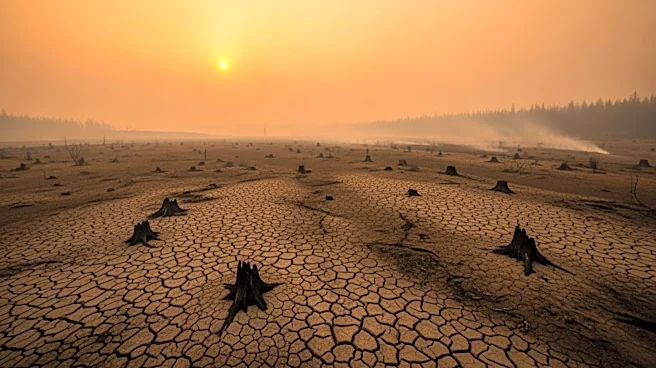
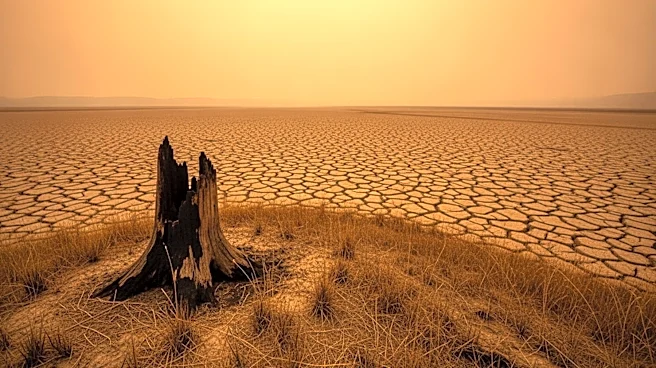
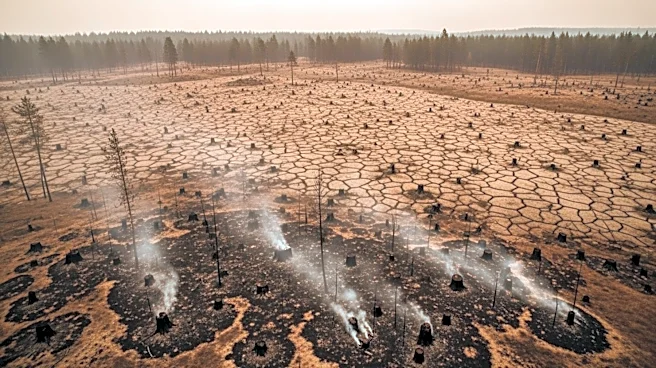
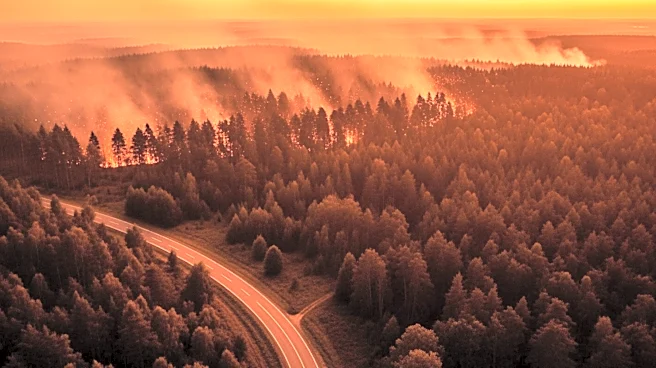
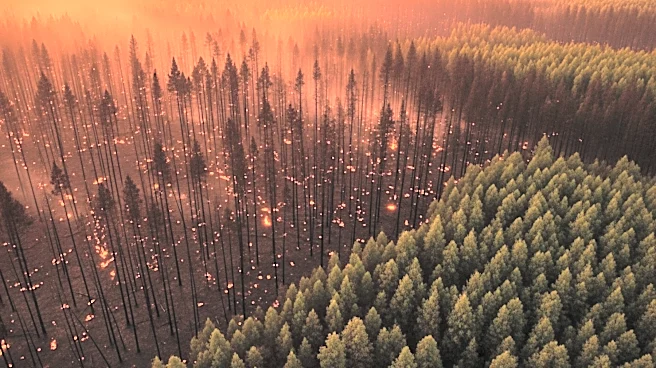
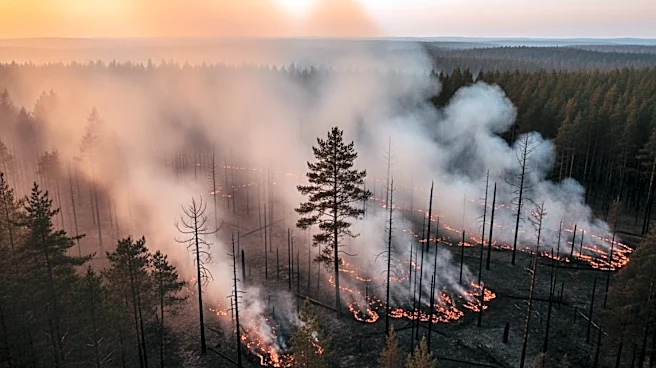
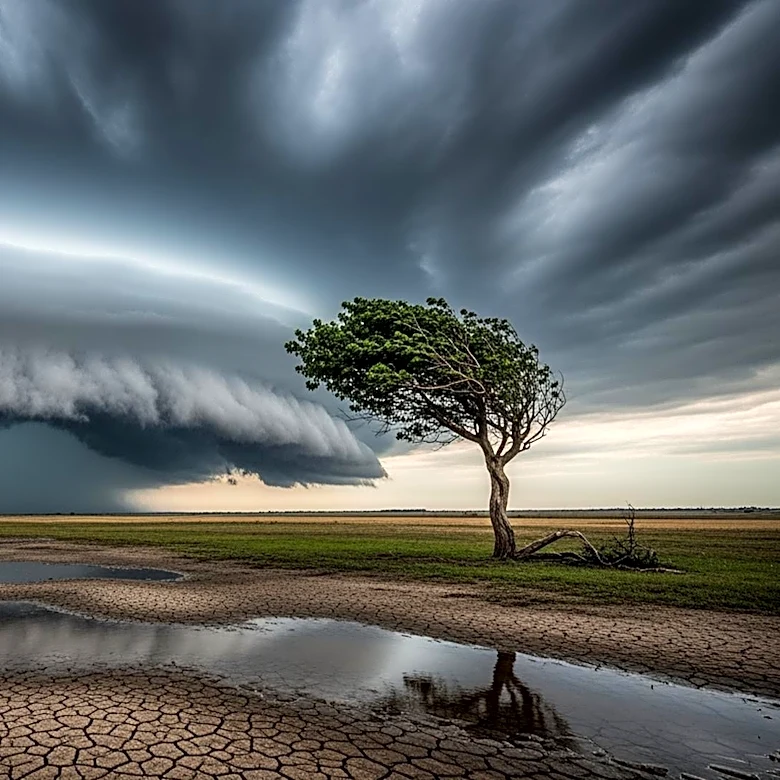
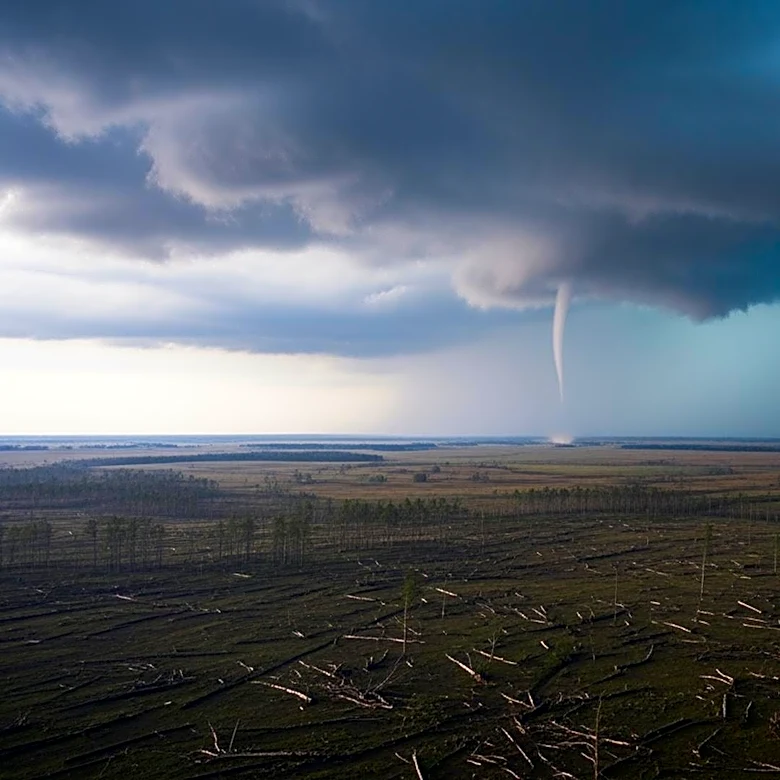
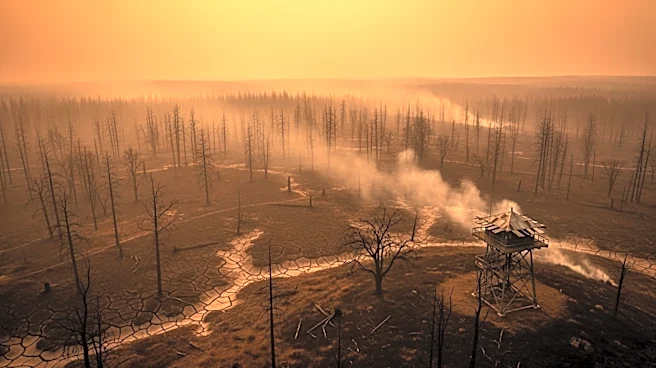
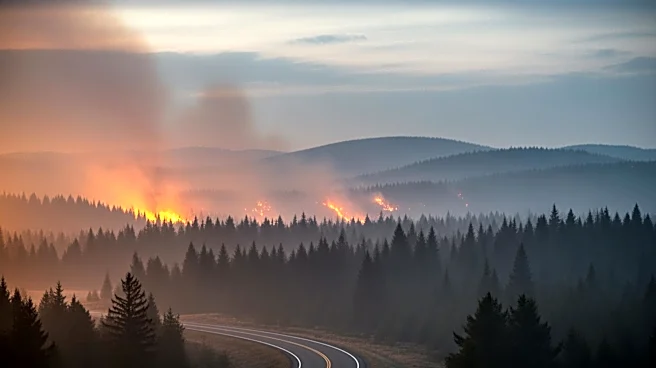
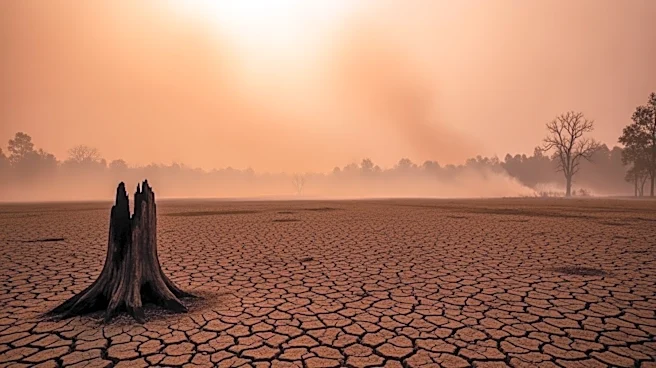
Wildfires across Georgia and Florida have destroyed more than 50 homes and forced hundreds to evacuate. The fires, fueled by drought and wind, are particularly severe in southeastern Georgia and northern Florida. Georgia's two largest wildfires have burned
over 33 square miles, while Florida is experiencing one of its worst fire seasons in decades. The state's forestry commission has issued a burn ban for the first time due to the perilously dry conditions. Residents received no warnings before the fires spread rapidly, leaving many, like Brianna Elliott, unable to return home to save their belongings.
Why It's Important?
The wildfires highlight the increasing vulnerability of southeastern U.S. regions to extreme weather conditions, exacerbated by prolonged droughts. The destruction of homes and forced evacuations underscore the urgent need for improved emergency response systems and infrastructure to handle such natural disasters. The economic impact is significant, with potential losses in property and increased costs for firefighting efforts. The situation also raises concerns about climate change and its role in intensifying weather patterns, prompting discussions on environmental policies and resource management.
What's Next?
Authorities are likely to continue battling the fires with all available resources, while monitoring weather conditions for any changes that could aid or hinder their efforts. The implementation of stricter fire prevention measures and public awareness campaigns may be considered to mitigate future risks. Long-term strategies could involve reassessing land management practices and investing in technologies to better predict and respond to such disasters. The situation may also prompt policy discussions at state and federal levels regarding climate adaptation and resilience planning.