





What's Happening?
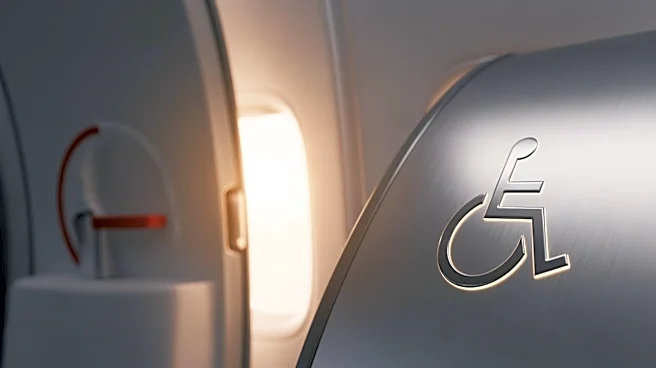
Marissa Bode, an actor known for her role in the musical 'Wicked,' was denied boarding on a Southern Airways flight due to her disability. Bode, who uses a wheelchair, was unable to board a small plane because she could not climb stairs, a requirement
stated by the airline for boarding. Following the incident, the airline's director of mobility reached out to Bode, expressing regret and initiating an internal review. Bode emphasized her desire for improved accessibility for disabled passengers rather than financial compensation. The Air Carrier Access Act prohibits discrimination against disabled passengers, but Southern Airways cited aircraft size as a reason for not providing mechanical lifts.
Why It's Important?
This incident highlights ongoing challenges faced by disabled travelers in the airline industry, despite legal protections like the Air Carrier Access Act. The situation underscores the need for airlines to improve accessibility and accommodate all passengers, regardless of aircraft size. Bode's experience has sparked a broader conversation about the responsibilities of airlines to ensure equal access and the importance of proactive measures rather than reactive solutions. The airline's response and commitment to review its policies could set a precedent for other carriers, potentially leading to industry-wide changes that benefit disabled travelers.
What's Next?
Southern Airways is conducting an internal review to address the incident and improve its policies. The airline's engagement with Bode suggests a willingness to make changes, which could lead to enhanced accessibility measures. Other airlines may also face increased scrutiny and pressure to ensure compliance with accessibility laws. Advocacy groups and disabled passengers may continue to push for more inclusive travel experiences, potentially influencing future regulatory changes or industry standards.
Beyond the Headlines
The incident raises ethical questions about the balance between operational constraints and the rights of disabled passengers. It also highlights the cultural shift needed within the airline industry to prioritize accessibility. Long-term, this could lead to technological innovations in aircraft design and boarding processes, making air travel more inclusive. The case also serves as a reminder of the importance of involving disabled individuals in policy-making and design processes to ensure their needs are adequately met.