


What's Happening?
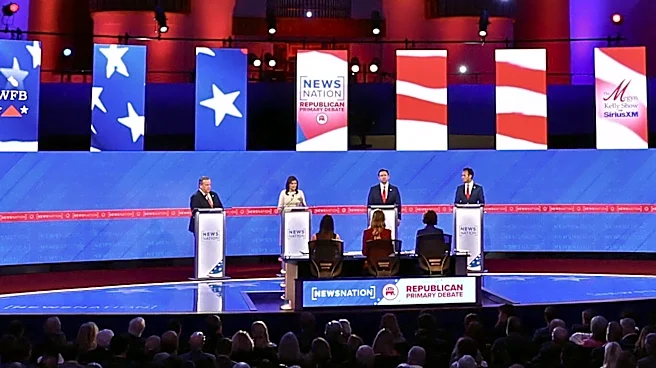
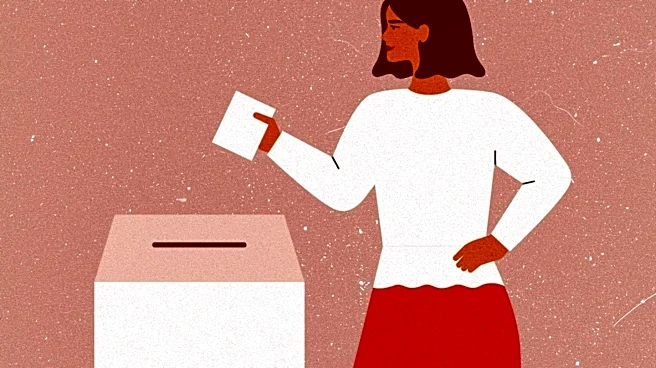
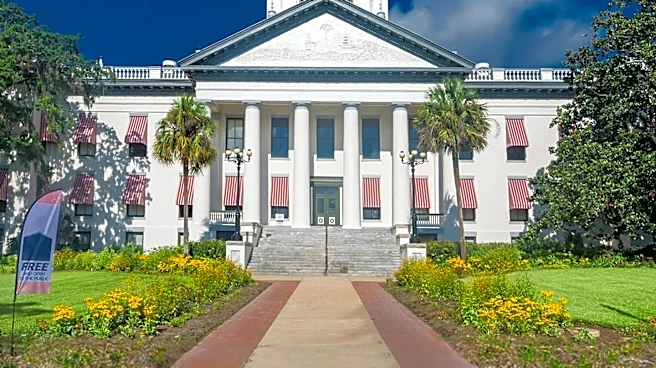
Florida is gearing up for its 2026 primary elections, scheduled for August 18. The elections will determine candidates for governor, U.S. Senator, and various state and local offices. As a closed primary state, Florida restricts voting to registered party
members. Many candidates are running unopposed, including those for State Attorney General and several U.S. representative positions, meaning they will not appear on the primary ballots. This election cycle is significant as it marks the end of Governor Ron DeSantis's tenure due to term limits, prompting a competitive race for his successor.
Why It's Important?
The 2026 elections are crucial for shaping Florida's political landscape, with significant implications for state and national policies. The selection of a new governor and other key officials will influence Florida's approach to issues such as healthcare, education, and economic development. The high number of unopposed candidates highlights the political dynamics within the state, potentially affecting voter turnout and engagement. The outcome of these elections will also impact Florida's role in national politics, especially with its growing influence as a swing state.
What's Next?
As the primary date approaches, candidates will intensify their campaigns to secure party nominations. Voter registration and turnout efforts will be critical, particularly in competitive races. The general election in November will further determine the political direction of Florida, with potential shifts in policy priorities depending on the elected officials. Observers will be watching for any changes in voter behavior and the impact of unopposed races on overall election dynamics.