








What's Happening?
Pompano Beach, Florida, is now home to the first museum in the United States dedicated exclusively to jellyfish. The private Jellyfish Museum, located just north of Fort Lauderdale, is also one of the few such spaces globally. The museum was founded by
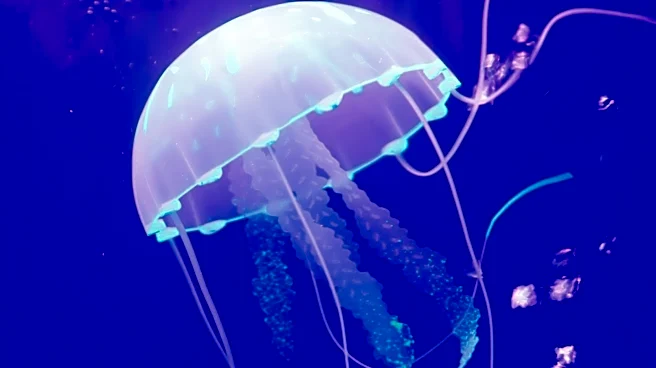
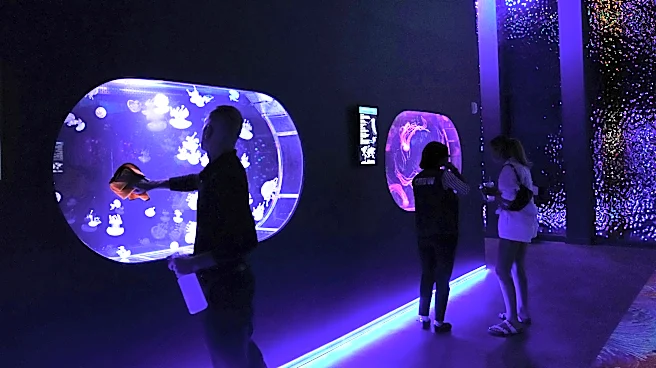
Alex and Yana Yanovsky, who previously established successful aquariums, including a jellyfish museum, in Ukraine. They relocated to Florida after fleeing the 2022 Russian invasion and sought to share their passion for these creatures in the U.S. The nearly 10,000-square-foot facility, which opened this past spring, was converted from a former Wells Fargo bank branch with the help of approximately $100,000 in community redevelopment grants from the city of Pompano Beach. The museum features roughly 20 unique species of jellyfish, sourced from Florida waters and other parts of the world, displayed in 21 tanks. These species include Japanese sea nettles, moon jellyfish, spotted jellies, and upside-down jellyfish. The space is designed to evoke calm and tranquility, with projected images and glowing tanks creating a mesmerizing atmosphere. Guides educate visitors on the role jellyfish play in marine ecosystems and the importance of their protection. According to operations manager Jessica Eisenbarth, the Yanovskys plan to expand their aquatic attractions in the future.
Why It's Important?
The opening of the Jellyfish Museum in Pompano Beach represents a unique addition to the U.S. cultural and educational landscape, particularly in marine biology and conservation. As the first of its kind in the nation, it provides a dedicated platform for public engagement with these often-misunderstood marine invertebrates. This initiative can significantly enhance public awareness and appreciation for marine ecosystems, highlighting the critical role jellyfish play despite their lack of a heart or brain. The museum's focus on education, with guides explaining their ecological importance, can foster a greater sense of environmental stewardship among visitors. Furthermore, the conversion of a former bank branch into a specialized museum demonstrates innovative urban redevelopment and the potential for cultural institutions to revitalize local economies. For the city of Pompano Beach, this museum could become a significant tourist attraction, drawing visitors interested in unique aquatic experiences and contributing to local tourism revenue. The founders' journey from Ukraine also adds a layer of human interest, showcasing resilience and the pursuit of passion in a new country.
What's Next?
The Jellyfish Museum in Pompano Beach is expected to continue attracting visitors interested in marine life and unique cultural experiences. The founders, Alex and Yana Yanovsky, have expressed intentions to expand their aquatic attractions, suggesting potential future projects or additional exhibits. The museum will likely continue its educational mission, informing the public about the diversity and ecological importance of jellyfish. As a new tourist attraction, it will contribute to the local economy of Pompano Beach, potentially leading to increased visitor numbers and related business opportunities. The museum may also explore partnerships with marine research institutions or conservation organizations to further its educational and scientific impact. The success of this pioneering museum could inspire the development of similar specialized aquatic exhibits in other parts of the U.S., further diversifying the country's cultural and educational offerings.
Beyond the Headlines
The establishment of a museum solely dedicated to jellyfish highlights a growing public fascination with less conventional marine life and the broader shift in how environmental education is delivered. Jellyfish, often perceived as simple or even nuisance creatures, are now being recognized for their ancient lineage, unique biology, and ecological significance. This museum could serve as a model for engaging the public with complex scientific topics through immersive and aesthetically pleasing experiences. Ethically, it underscores the importance of protecting all forms of marine life, even those that may not be traditionally charismatic. The museum's origin story, rooted in the founders' displacement from Ukraine, also subtly speaks to the global impact of geopolitical events on individual lives and the resilience of human spirit in pursuing passions. It demonstrates how cultural institutions can emerge from personal journeys, enriching new communities and fostering cross-cultural understanding through shared interests in the natural world. This unique focus could also spur further scientific research into jellyfish, given their resilience and adaptability in various marine environments.