





What's Happening?
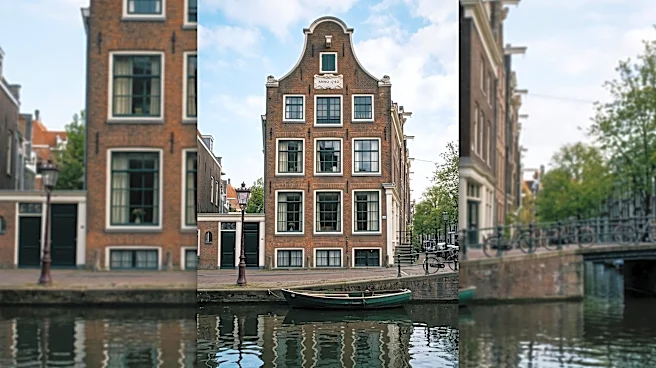
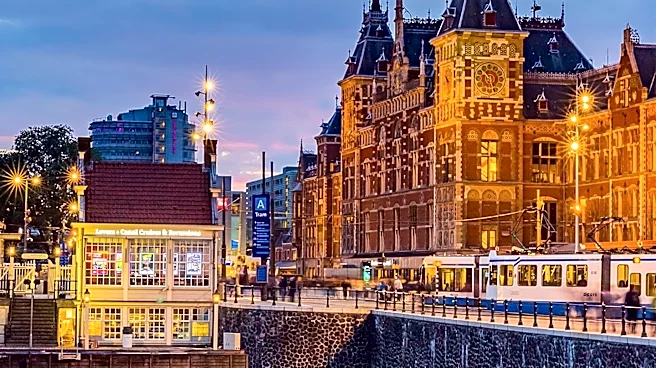
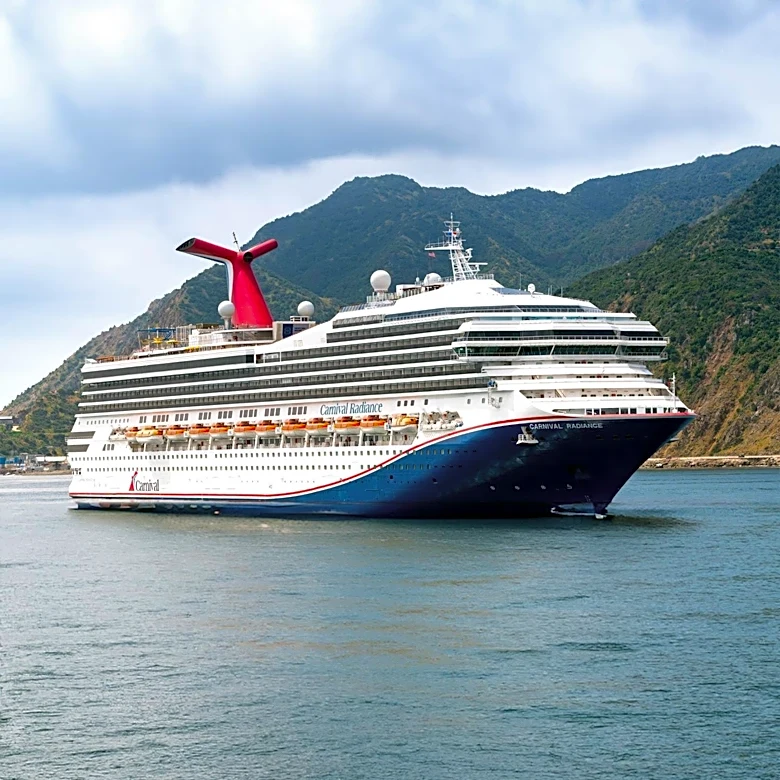
Amsterdam has announced plans to move its cruise terminal away from the city center by 2035 as part of a broader strategy to combat overtourism. The municipal administration also intends to significantly reduce the number of ships permitted to dock at the Passenger
Terminal Amsterdam (PTA), cutting the annual allowance from 190 to 100. Additionally, the PTA will revert to operating with only one docking location, and all ships will be mandated to use shore power by 2027. This initiative aims to create a more livable, clean, and sustainable city, addressing concerns about pollution and overcrowding caused by maritime tourism. The city councilor, Hester van Buren, emphasized that cruise ships are a polluting form of tourism that contribute to congestion and emissions within the city.
Why It's Important?
This decision by Amsterdam highlights a growing global trend among popular tourist destinations to actively manage and mitigate the negative impacts of overtourism. For the U.S. tourism industry, particularly cruise lines, this could signal a future where access to certain European ports becomes more restricted or subject to stricter environmental regulations. U.S. cruise operators might need to adapt their itineraries, invest in shore power technology, or explore alternative ports. The move also underscores the increasing pressure on cities to balance economic benefits from tourism with environmental sustainability and quality of life for residents. This could influence policy discussions in U.S. cities that experience high tourist volumes, potentially leading to similar measures to control visitor numbers or types of tourism. Stakeholders in the cruise industry stand to lose if more cities adopt such restrictive policies, while environmental groups and local residents in affected areas stand to gain from reduced pollution and congestion.
What's Next?
Amsterdam's plan involves a phased implementation, with the reduction in authorized ships beginning in 2026 and the full relocation of the cruise terminal by 2035. The city of Rotterdam, a neighboring municipality, has been identified as a potential recipient for the more than 40 ships that will no longer be permitted to dock in Amsterdam starting in 2026. This suggests a potential shift in cruise traffic patterns within the Netherlands and possibly the broader European region. The mandate for ships to use shore power by 2027 will require significant investment from cruise lines to upgrade their vessels or ensure they only dock at facilities equipped with this technology. Other European cities grappling with overtourism will likely observe Amsterdam's approach closely, potentially adopting similar strategies if the measures prove effective in achieving environmental and urban sustainability goals.
Beyond the Headlines
The decision by Amsterdam reflects a deeper societal shift towards prioritizing environmental sustainability and local quality of life over unchecked tourism growth. This move could set a precedent for other global tourist hotspots, including those in the U.S., to re-evaluate their tourism models. It raises ethical questions about the responsibility of the tourism industry to local communities and the environment, and the role of municipal governments in regulating visitor impact. The emphasis on 'shore power' also highlights the increasing demand for cleaner energy solutions in the maritime sector, pushing for technological advancements and infrastructure development. This could lead to long-term changes in how cruise lines operate globally, fostering a more sustainable and less impactful form of travel, but potentially at a higher cost to consumers and operators.