




What's Happening?
Researchers have discovered that white rot fungi can effectively biodegrade sewage screenings from wastewater treatment plants, converting complex organic waste, including plastics, into fermentable sugars. The study, published in Fungal Biology and Biotechnology,
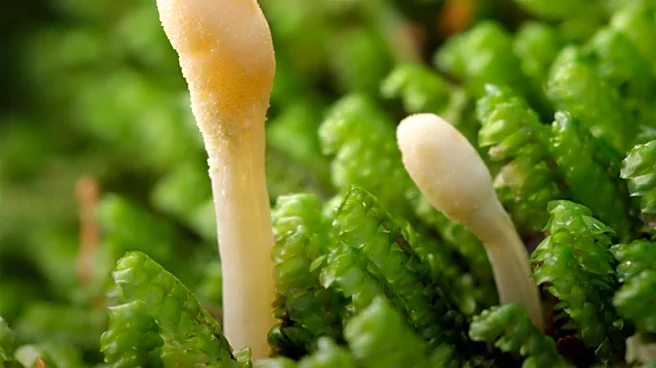
investigated four fungal species: Irpex lacteus, Bjerkandera adusta, Pleurotus dryinus, and Trametes versicolor. These fungi secrete lignocellulolytic enzymes capable of breaking down lignin and cellulose, which are abundant in sewage screenings. The screenings, a heterogeneous mixture of sanitation textiles, toilet paper, organic leftovers, plastics, and grit, are typically sent to landfills. The study found that cultivating these fungi on wastewater screenings led to significant enzymatic activity and carbohydrate degradation. For instance, Pleurotus dryinus achieved a laccase activity of 1691.75 U/mg and degraded 44.46 percent of the carbohydrates, while Bjerkandera adusta reduced carbohydrate content by 43.49 percent. This research highlights a sustainable alternative for waste treatment and resource recovery.
Why It's Important?
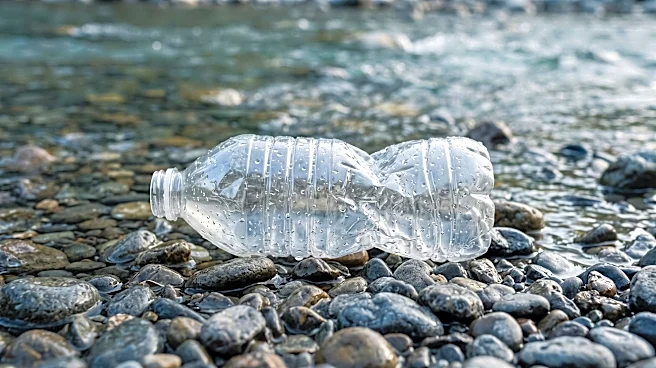
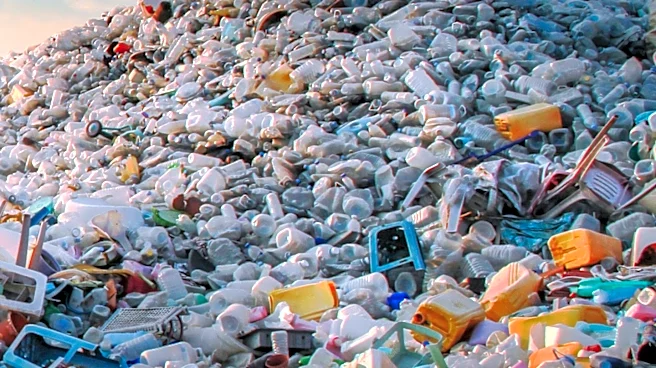
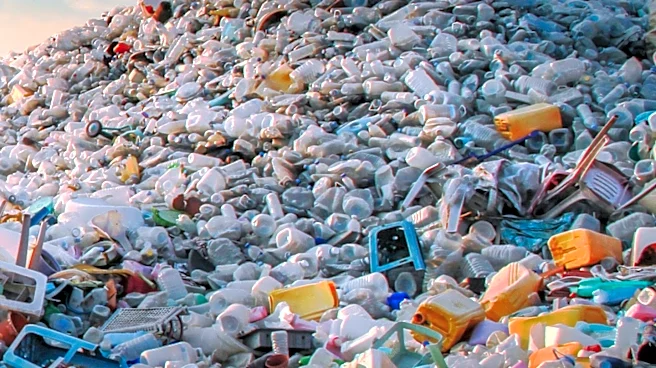
This development is significant for U.S. waste management and environmental sustainability. Wastewater treatment plants in the U.S. generate substantial volumes of screenings, which often contain plastics and other recalcitrant materials, posing a challenge for traditional disposal methods like landfilling. The ability of white rot fungi to degrade these complex waste streams offers a promising biological pretreatment method that is more environmentally friendly than energy-intensive physical or chemical processes. By converting waste into fermentable sugars, this technology could contribute to the production of biofuels and other bioenergy sources, aligning with national goals for renewable energy and a circular economy. This approach could reduce landfill waste, mitigate pollution, and create new economic opportunities in waste valorization and biotechnology. The presence of plastics in sewage screenings, which the fungi demonstrated adaptability in handling, addresses a critical environmental concern regarding plastic pollution.
What's Next?
Further research is necessary to optimize the cultivation conditions for these fungi and address inhibitory factors present in real-world wastewater screenings. Evaluating the economic feasibility of scaling this technology for industrial use will be crucial for its widespread adoption in the U.S. wastewater treatment sector. Future studies will likely focus on understanding the mechanisms behind the enzymatic responses to inhibitory compounds and exploring the potential for co-cultivation of different fungal strains to enhance degradation efficiency. The development of this technology could lead to the integration of fungal biodegradation into existing wastewater treatment processes, transforming a problematic waste stream into a valuable resource for bioenergy and other biotechnological applications. This could also spur policy discussions on sustainable waste management practices and investments in bio-based solutions.
Beyond the Headlines
The deeper implications of this research extend to addressing the broader issue of plastic pollution and resource scarcity. The ability of white rot fungi to degrade plastics within a complex waste matrix suggests a potential biological solution to a pervasive environmental problem. This development could trigger a shift in waste management paradigms, moving away from linear disposal models towards more circular approaches where waste is viewed as a resource. Ethically, this method offers a more sustainable and less environmentally damaging alternative to current practices. Culturally, it could foster greater public acceptance and demand for bio-based solutions in waste management. Long-term, this research could pave the way for developing advanced bioremediation technologies capable of tackling various forms of persistent pollutants, contributing to a healthier environment and more sustainable industrial practices in the U.S. and globally.