

What's Happening?
Vice President JD Vance has called for a significant voter turnout in the 2026 midterm elections, emphasizing that the Trump administration's agenda is at stake. Speaking aboard Air Force Two, Vance expressed concern that voters within President Trump's
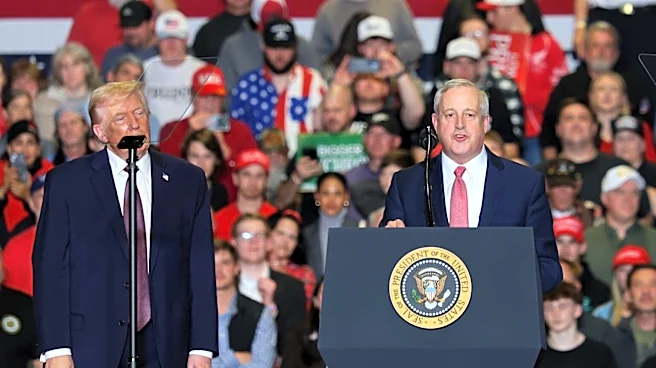
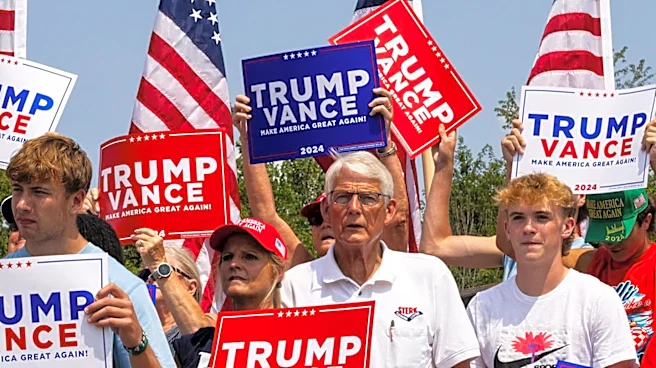
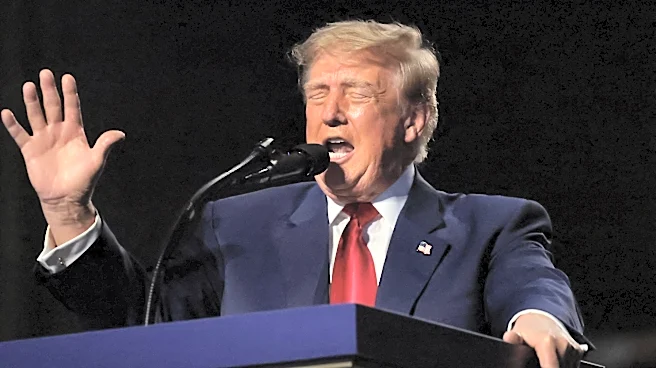
coalition have not consistently participated in off-year elections to the extent needed to maintain Republican control of Congress. He highlighted the importance of motivating these voters to ensure the continuation of the current administration's policies and to prevent what he referred to as 'crazies' from gaining office. President Trump himself has encouraged voters to 'pretend' he is on the ballot to boost engagement. The Republican Party is currently facing typical challenges for a party in power, with generic congressional ballots showing Democrats with an advantage. Vance and other strategists believe that increasing voter turnout by even a few percentage points in contested elections could secure Republican majorities in both the House and Senate.
Why It's Important?
This call to action by Vice President Vance underscores the critical nature of midterm elections for the continuity of a presidential administration's agenda. Historically, midterm elections often see lower voter turnout compared to presidential election years, which can lead to shifts in congressional power. For the Trump administration, maintaining control of Congress is crucial for passing legislation and implementing its policies without significant opposition. A failure to mobilize the base could result in a divided government, potentially stalling legislative efforts and leading to political gridlock. The emphasis on 'keeping the crazies out' also reflects a broader strategy to frame the opposition in a way that galvanizes the Republican base, highlighting ideological differences and perceived threats to the nation's direction. The outcome of these midterms will significantly influence the political landscape for the latter half of the administration's term and could set the stage for future presidential elections.
What's Next?
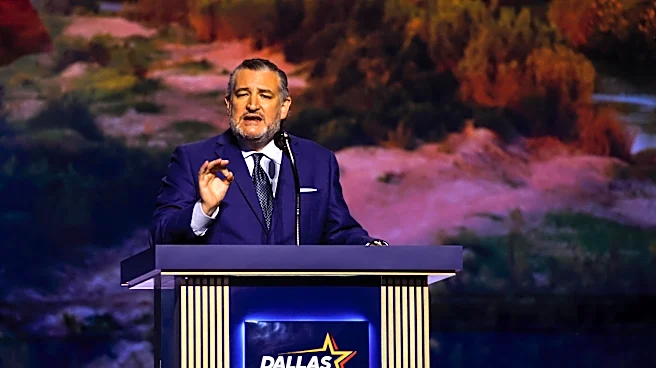
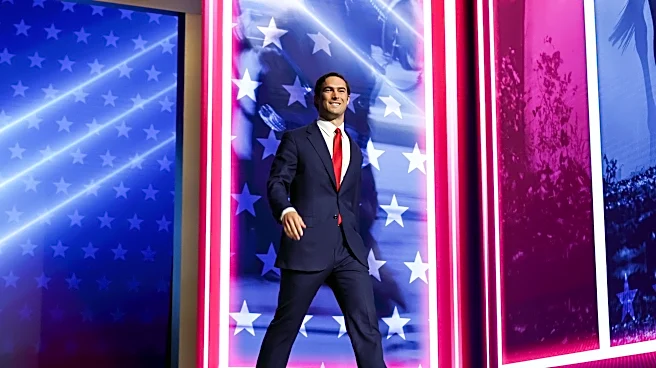
In the lead-up to the 2026 midterms, Republicans are expected to intensify their efforts to engage and mobilize their voter base. This will likely involve continued messaging from figures like Vice President Vance and President Trump, urging supporters to view the midterms as a direct referendum on the administration's agenda. The party may also focus on specific policy issues, such as economic affordability and stability, to resonate with traditional conservatives and swing voters. The recent Republican midterm convention in Dallas and a mid-decade redistricting push are examples of proactive measures being taken to improve the party's electoral prospects. The success of these strategies will be measured by voter turnout rates and the ability of Republicans to overcome the historical headwinds faced by the party in power during midterms. The Democratic Party, in turn, will likely counter these efforts by highlighting their own policy priorities and attempting to capitalize on any dissatisfaction with the current administration.
Beyond the Headlines
The rhetoric employed by Vice President Vance, particularly the use of terms like 'crazies,' reflects a growing trend of highly polarized political discourse in the U.S. This language aims to energize the base by creating a clear 'us vs. them' narrative, but it can also further entrench divisions within the electorate. The challenge of motivating voters in off-year elections highlights a broader issue of civic engagement and the perception of political relevance outside of presidential contests. The focus on the 'Trump agenda' being on the ballot, even when President Trump is not directly running, indicates the enduring influence of his political brand and the personalization of party politics. This approach suggests a long-term strategy to maintain a cohesive political movement centered around specific ideological tenets, rather than solely relying on traditional party structures. The outcome of these midterms will not only determine congressional control but also provide insights into the evolving dynamics of American political identity and voter behavior.