






What's Happening?
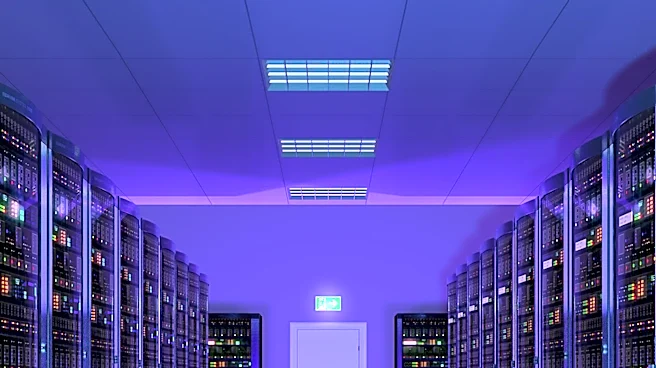
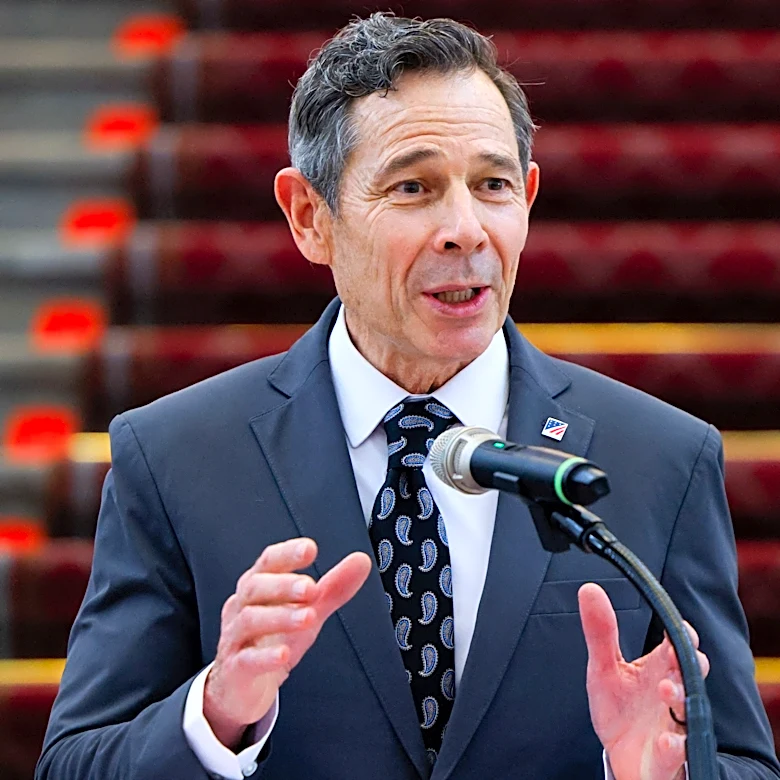
Congressman Suhas Subramanyam, a Virginia Democrat, is advocating for a national strategy to manage the rapid expansion of AI data centers across the United States. Representing a district with a significant concentration of data centers, Subramanyam has become
a leading voice for implementing new limits on their growth, both in Northern Virginia and nationwide. He has criticized utility companies and data center overreach, endorsed local data center moratoriums, and called for data centers to bear more of their infrastructure costs. Last week, he unveiled a 'National Data Center Plan' designed to change how data centers are sited, how their impacts are measured, and who pays for their energy infrastructure. This stance marks an evolution from his earlier policy record, where he supported legislation expanding data center tax exemptions and promoting cloud computing investments in Virginia.
Why It's Important?
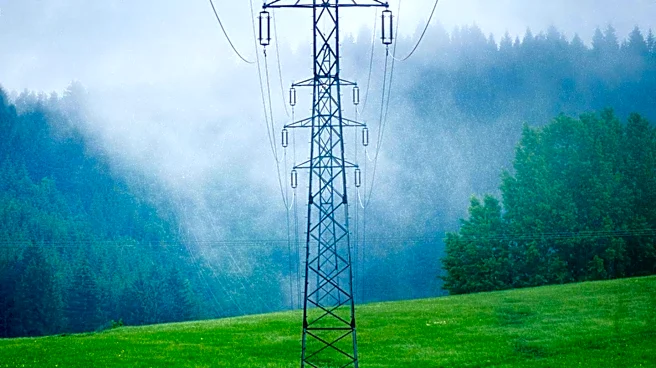
The push for a national strategy on AI data center growth is important due to the significant strain these facilities place on existing infrastructure, particularly the electric grid. The rapid proliferation of data centers, driven by the demands of artificial intelligence and cloud computing, requires enormous amounts of reliable electricity. While data centers bring economic benefits to localities, such as tax revenue for schools and roads, their energy consumption is creating challenges for power grids. Policymakers, including Subramanyam, previously encouraged data center investment through tax incentives and grants, making Virginia a hub for cloud computing. However, the current energy policies, combined with the unforeseen scale of AI-driven demand, are making it difficult and expensive to supply new reliable power. This situation highlights a critical intersection between technological advancement, economic development, and energy policy, with potential implications for energy costs, grid stability, and environmental goals across the U.S.
What's Next?
Congressman Subramanyam's 'National Data Center Plan' suggests a shift towards more coordinated federal oversight and investment in energy infrastructure. This could lead to legislative efforts aimed at regulating data center siting, impact assessments, and cost-sharing for energy infrastructure. The debate is likely to intensify between those who advocate for continued data center growth and those who prioritize grid stability and environmental concerns. Potential reactions from stakeholders include utility companies pushing for grid upgrades, data center operators seeking clarity on future regulations, and local communities advocating for more control over development. The discussion will also likely involve the role of clean energy in powering these facilities, with some, like Subramanyam, promoting clean energy investments, while others argue for an 'all-of-the-above' approach including natural gas and nuclear power to meet the escalating demand.
Beyond the Headlines
The evolving stance on data center growth, exemplified by Congressman Subramanyam, reflects a broader societal reckoning with the unintended consequences of rapid technological advancement. Initially seen as purely beneficial for economic development and technological progress, the sheer scale of data center expansion is now forcing a re-evaluation of infrastructure planning and resource allocation. This situation raises ethical questions about who bears the cost of technological progress and the environmental impact of energy-intensive industries. It also highlights the need for proactive policy-making that anticipates the demands of emerging technologies like AI, rather than reacting to strains on existing systems. The long-term implications could include a redefinition of 'smart growth' to incorporate energy sustainability, a push for more distributed and resilient energy grids, and potentially, a national conversation about the optimal balance between technological innovation and environmental stewardship.