





What's Happening?
The history of America's nuclear weapons, particularly from the Cold War era, is largely unmemorialized, contrasting with the designated Manhattan Project National Historical Park. While the Manhattan Project, which produced the first atomic bombs used
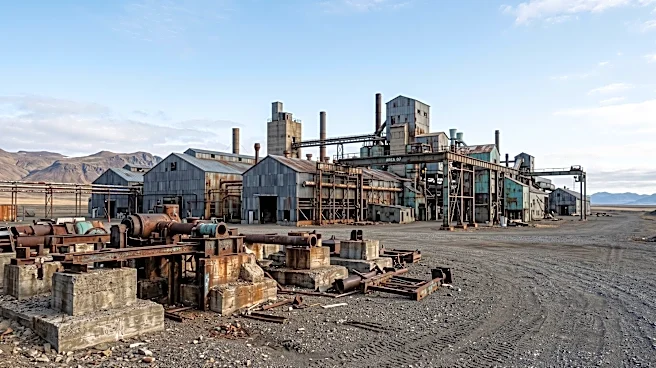
in warfare on Hiroshima and Nagasaki in 1945, is commemorated, the vast scale of Cold War nuclear weapons production remains largely absent from public memory. Historian Jason Krupar notes that Cold War production dwarfed its wartime predecessor in size, scale, personnel, and expense, with the world's nuclear arsenal peaking at around 63,600 warheads in 1985. After the Soviet Union's dissolution, the U.S. nuclear fabrication system began to be dismantled. Efforts to memorialize sites like the Rocky Flats Plant, which produced plutonium pits for nearly 40 years and experienced significant environmental contamination, have largely failed, with a proposed museum remaining virtual. Monuments that do exist often focus on remediation and cleanup rather than the original weapons production, effectively removing this history from the landscape despite lingering pollution.
Why It's Important?
The disappearing history of America's Cold War nuclear weapons production has significant implications for public understanding of a critical period in U.S. and global history. By not adequately memorializing these sites and their activities, there is a risk of losing institutional memory regarding the immense human, environmental, and financial costs associated with the nuclear arms race. This lack of public acknowledgment can hinder informed discussions about nuclear policy, proliferation, and the ongoing challenges of managing nuclear waste and contaminated sites. Furthermore, the focus on cleanup rather than the origins of the contamination can obscure the long-term impacts on communities and the environment. Understanding this history is crucial for future generations to grasp the complexities of nuclear deterrence, the ethical dilemmas of weapons development, and the importance of arms control efforts, especially as approximately 12,000 nuclear weapons still exist globally, and the 'Doomsday Clock' remains close to midnight.
What's Next?
The ongoing challenge is to find ways to effectively memorialize the Cold War nuclear weapons landscape and educate the public about its historical significance and lasting impacts. This could involve renewed efforts to establish physical museums or educational centers, as well as integrating this history more prominently into national curricula and public discourse. Addressing the lingering environmental pollution at former production sites will also remain a priority, requiring continued funding and scientific research. Furthermore, as global nuclear tensions persist, a deeper understanding of the historical context of nuclear weapons development and their consequences becomes increasingly vital for policymakers and citizens alike. The virtual Rocky Flats Cold War Museum serves as an example of alternative approaches to preservation and education in the absence of physical memorials, suggesting a potential path forward for other unmemorialized sites.
Beyond the Headlines
The unmemorialized history of Cold War nuclear weapons production raises profound questions about collective memory, national identity, and the way societies confront difficult pasts. The 'greenwashing' of former nuclear sites, where contaminated areas are transformed into wildlife refuges without clear acknowledgment of their past, can create a misleading narrative that downplays the severity of historical actions and their environmental legacy. This phenomenon reflects a broader societal tendency to selectively remember or forget aspects of history that are uncomfortable or challenging. The ethical dimension extends to the responsibility of governments to transparently acknowledge the full scope of their nuclear programs, including the health impacts on workers and surrounding communities, and to ensure that the lessons learned from these historical endeavors inform present and future policy decisions regarding nuclear technology and international security.