




What's Happening?
Sandia National Laboratories has successfully demonstrated the viability of photovoltaic (PV) systems for energy generation in the extreme conditions of Arctic Alaska. Since 2022, researchers have been operating an experimental PV system 320 miles north
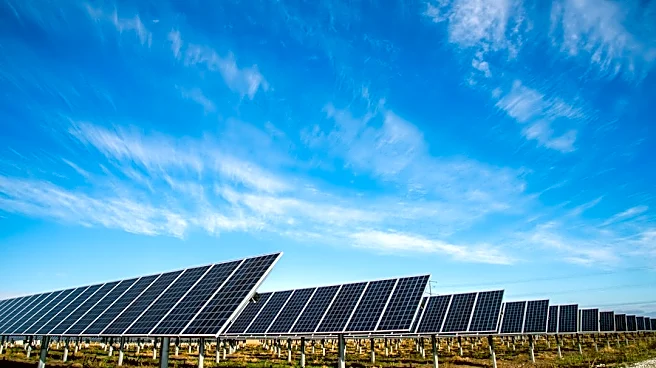
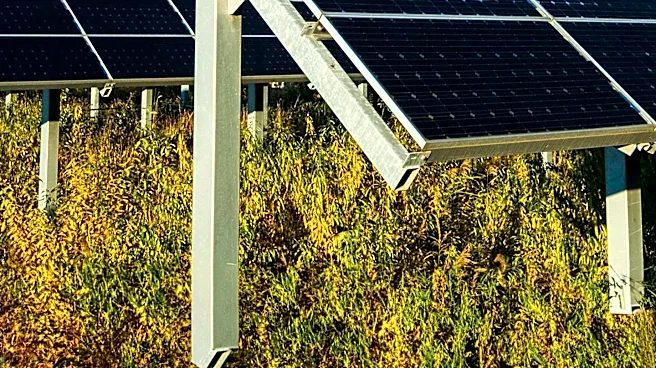
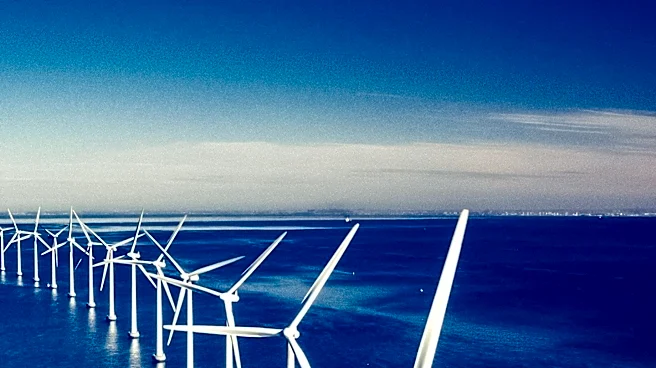
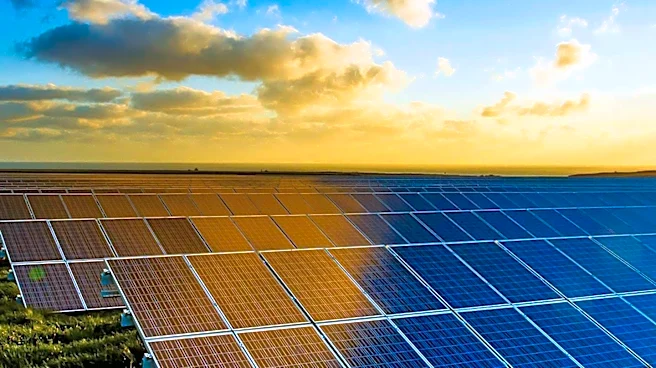
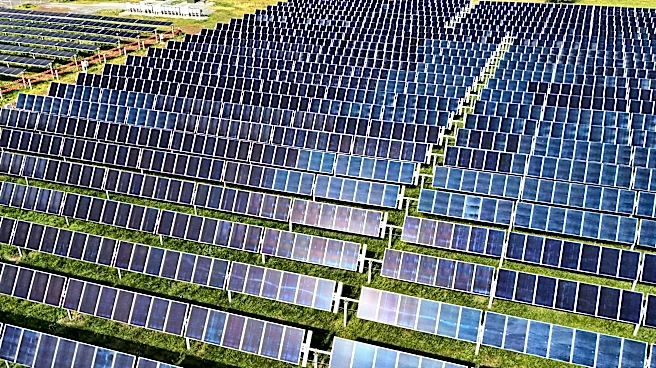
of the Arctic Circle in Oliktok, Alaska. This site presents significant challenges, including extremely low temperatures that can make solar cells brittle, persistent high winds, and periods of complete darkness during winter months. Despite these obstacles, the multiangled PV arrays, designed to capture sunlight from various directions, have shown promising results. The system utilizes bifacial modules that capture reflective light, significantly boosting performance when snow covers the ground. Data collected over four years indicates that these systems can reliably supply primary or backup electricity for remote communities, research operations, and national security efforts across Alaska and other northern latitudes. The system also includes wind turbines for energy generation during months without sunlight.
Why It's Important?
This research by Sandia National Laboratories holds significant importance for energy independence and security in remote U.S. Arctic regions. Currently, many remote Alaskan communities rely on expensive and logistically challenging diesel fuel for electricity. The successful deployment of solar energy systems, even in the harsh Arctic environment, offers a sustainable and potentially more cost-effective alternative. This could lead to reduced energy costs, improved energy reliability, and a smaller carbon footprint for these communities. For national security operations in the far north, the ability to rapidly deploy and sustain energy solutions using renewable sources enhances operational flexibility and reduces dependence on vulnerable supply lines. The findings also contribute to the broader understanding of PV system performance in cold climates, potentially accelerating the adoption of solar technology in other high-latitude regions globally. The project highlights the potential for innovation to address unique energy challenges in geographically isolated areas.
What's Next?
Following the successful four-year demonstration, Sandia researchers plan to expand their efforts by building a larger research system elsewhere in Alaska. The next step will involve quantifying the cost and performance advantages of these PV systems in an actual operational setting. This will provide crucial data for scaling up the technology and integrating it into existing energy infrastructures. The goal is to further demonstrate that multidirectional photovoltaics can contribute significant amounts of electricity to support the energy needs of remote villages and U.S. operations. Continued monitoring and data analysis will focus on long-term reliability, degradation rates of components in cold environments, and optimization of system designs for maximum energy output throughout the year, including the integration of energy storage solutions. The research aims to pave the way for broader adoption of hybrid energy systems in the Arctic.
Beyond the Headlines
The success of solar energy in the Arctic challenges conventional assumptions about renewable energy limitations in extreme environments. This project not only addresses practical energy needs but also contributes to the broader discourse on climate adaptation and sustainable development in vulnerable regions. The Arctic is experiencing rapid environmental changes, and developing resilient, localized energy solutions is critical for the communities and scientific endeavors in the region. Furthermore, the research into the climatic robustness of PV systems in cold regions, where solar cells and components degrade more slowly than in hot locations, offers valuable insights for solar technology development worldwide. This could lead to new designs and materials optimized for diverse climatic conditions, expanding the global potential for solar energy. The project also underscores the role of national laboratories in pioneering solutions for complex challenges at the intersection of energy, environment, and national security.