






What's Happening?
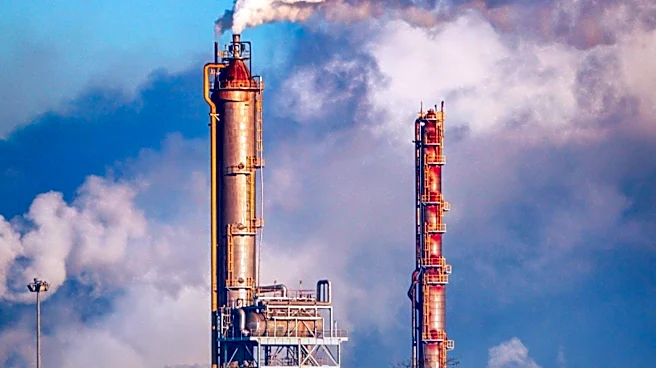
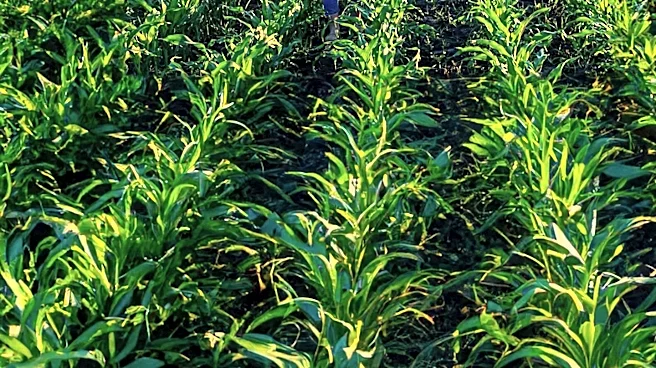
In Iowa, environmental factors such as water, air, and soil pollution are contributing to the state's rising cancer rates, according to a report by the Iowa Environmental Council. Iowa has the second-highest cancer rate in the U.S., with pollutants like
nitrates, pesticides, radon, and PFAS identified as key contributors. These pollutants are prevalent in local rivers and air, particularly affecting Scott County. The report highlights the need for residents to test their homes for radon and water for nitrates, as well as advocating for policy changes to address these environmental risks.
Why It's Important?
The findings highlight the significant impact of environmental pollution on public health, particularly in relation to cancer. Iowa's rising cancer rates underscore the need for increased awareness and action to mitigate environmental risks. The report calls for both individual and policy-level interventions to address these issues, emphasizing the importance of environmental health in public policy. The situation in Iowa serves as a case study for other regions facing similar challenges, highlighting the need for comprehensive strategies to protect public health.
What's Next?
Residents are encouraged to test their homes and water for pollutants and advocate for policy changes to address environmental risks. The Iowa Environmental Council and other stakeholders may push for stricter regulations and increased funding for environmental health initiatives. The report's findings could influence state and national policy discussions on environmental health and cancer prevention. Continued research and public engagement are essential to address the root causes of Iowa's cancer crisis and improve health outcomes.