







What's Happening?
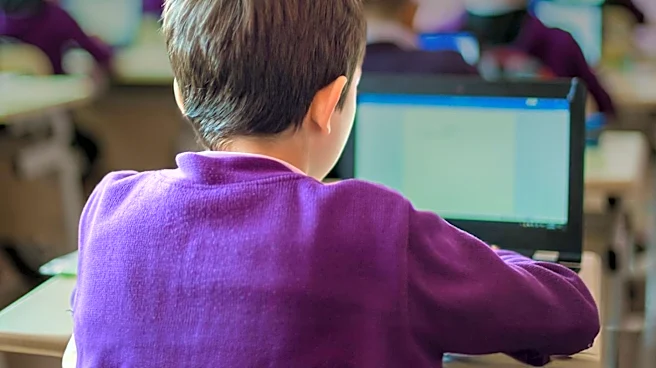
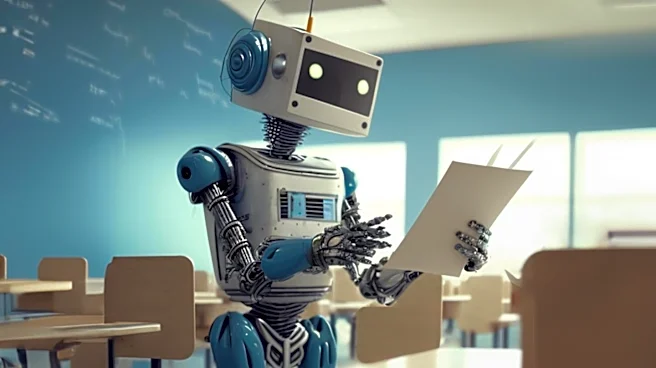
Artificial intelligence (AI) is increasingly being integrated into educational settings for tasks such as generating learning materials and providing feedback. While AI offers benefits like enhanced accessibility and personalized learning paces, its implementation
has raised concerns among students. These concerns include the environmental impact of AI, such as its water and electricity consumption, which is often overlooked in school discussions. Students also question the value of assignments when feedback is predominantly AI-generated rather than directly from teachers, and they feel that AI-assisted creative projects may lack personal meaning. There is a call for schools to be transparent about AI's role, especially in assessments, and to reassure students that human judgment remains central to their education.
Why It's Important?
The integration of AI in U.S. education has significant implications for the learning experience and the development of critical thinking skills. Over-reliance on AI could diminish the perceived value of student work and reduce opportunities for direct, meaningful interaction with educators. This shift could impact students' creative input and their sense of ownership over their academic achievements. Furthermore, the environmental footprint of AI, if not addressed, could contradict broader educational goals of sustainability and responsible technology use. Ensuring that AI serves as a supplementary tool rather than a replacement for human connection and professional judgment is crucial for maintaining a balanced and effective educational environment.
What's Next?
Schools are encouraged to adopt a gradual approach to AI integration, clearly explaining its purposes and limitations to students. Future steps should involve ensuring that AI supports, rather than supplants, teachers' professional judgment. It is also vital for educational institutions to create avenues for students to voice their concerns and participate in decisions regarding AI implementation. The goal is to enhance education through technology while preserving independent thinking and human connection, ensuring that teacher-student relationships remain central to the learning process. Transparency in AI's use, particularly in assessment and feedback, will be key to building student trust and engagement.
Beyond the Headlines
The ethical and pedagogical dimensions of AI in education extend beyond immediate classroom concerns. The debate over AI's role touches upon fundamental questions about the nature of learning, creativity, and human-computer interaction. If not managed thoughtfully, the widespread adoption of AI could inadvertently foster a generation of students who are less engaged in critical self-reflection or who perceive their contributions as less valuable when mediated by algorithms. The long-term societal impact could include a redefinition of educational success, where the ability to collaborate with AI tools becomes as important as traditional academic skills, but always with an emphasis on human oversight and ethical considerations.