




What's Happening?
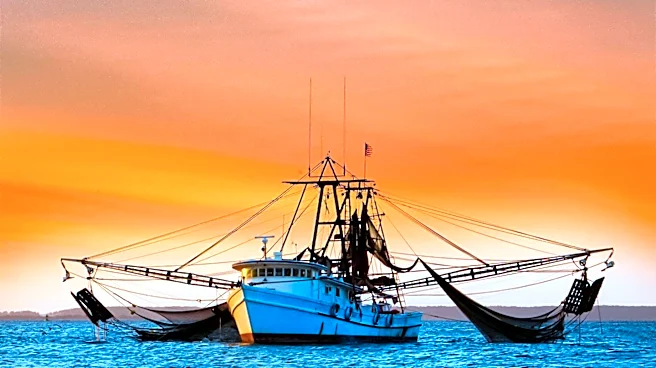
NOAA Fisheries is seeking public comments on a proposed rule to establish a shrimp fishery access area within the Oculina Bank Habitat Area of Particular Concern (OHAPC). This action, proposed through Amendment 11 to the FMP for Coral, Coral Reefs, and
Live/Hard Bottom Habitats and Amendment 12 to the FMP for the Shrimp Fishery of the South Atlantic Region, aims to allow vessels with valid limited access commercial rock shrimp permits to bottom trawl for rock shrimp in a designated 14.10 NM2 area. The OHAPC, located off Ft. Pierce, Florida, was established to protect deep-water coral habitats, primarily Oculina varicosa. Recent mapping and seafloor assessments in the proposed access area have indicated soft bottom/flat substrate with no evidence of Oculina corals. The proposal includes a variable buffer zone of 350 to 1,580 meters between the access area and known coral pinnacles to prevent adverse impacts from trawling. The comment period for the proposed rule is open from November 12, 2026, through December 14, 2026.
Why It's Important?
This proposed rule represents a significant effort to balance economic interests within the fishing industry with critical environmental conservation goals. By opening a specific area for rock shrimp trawling, NOAA Fisheries aims to optimize yield in the rock shrimp fishery, potentially benefiting commercial fishermen who have historically operated in these grounds. However, the proposal also highlights the ongoing challenge of managing marine resources in a way that supports livelihoods while protecting vulnerable ecosystems. The Oculina Bank is a unique deep-water coral habitat, and any decision to allow fishing activity within its broader protected area carries ecological risks, even with buffer zones and prior assessments. The public comment period is crucial for gathering diverse perspectives from environmental groups, fishing communities, and scientific experts, ensuring that the final decision is well-informed and considers all potential impacts. This decision could set a precedent for how other protected marine areas are managed in the future.
What's Next?
Following the close of the public comment period on December 14, 2026, NOAA Fisheries will review all submitted feedback on both the proposed rule and the associated amendments. This input will be critical in shaping the final decision regarding the establishment of the shrimp fishery access area. Depending on the nature and volume of comments, NOAA Fisheries may make revisions to the proposed rule, conduct further studies, or proceed with the rule as proposed. Stakeholders, including commercial fishing associations and environmental advocacy groups, will be closely monitoring the process and may engage in further advocacy based on the final decision. The implementation of the rule, if finalized, would require careful monitoring to ensure compliance with the designated access area boundaries and the effectiveness of the buffer zones in protecting coral habitats. Future assessments of the coral health in the OHAPC would be essential to evaluate the long-term impacts of this decision.
Beyond the Headlines
The debate over opening parts of the Oculina Bank to shrimp trawling touches upon broader themes of marine spatial planning and adaptive management in fisheries. It underscores the complexity of defining and enforcing protected areas, especially when new scientific data (like the absence of corals in the proposed access area) emerges. This situation also highlights the tension between static conservation boundaries and the dynamic nature of marine ecosystems and fishing practices. The decision will reflect how regulatory bodies weigh economic benefits against precautionary principles in environmental management. Furthermore, it could influence future discussions on whether and how to re-evaluate existing marine protected areas based on updated scientific understanding or changing economic pressures. The outcome will be closely watched by both the fishing industry and conservationists as a case study in balancing resource utilization with biodiversity protection in U.S. waters.