







What's Happening?
Scientists are expressing concern over a potential increase in seabird die-offs along the California coast due to the recent formation of El Niño, a natural warming event in the central Pacific Ocean. This phenomenon, confirmed by the US National Oceanic
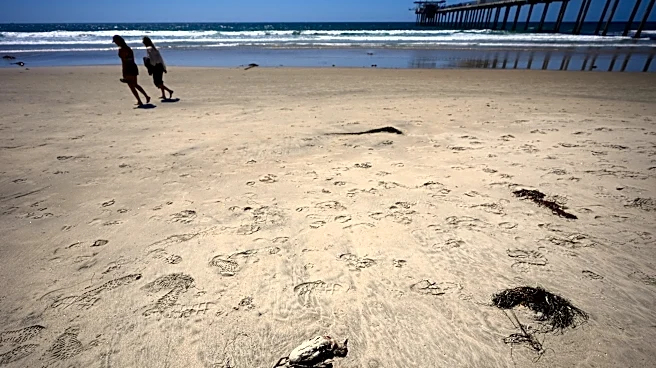
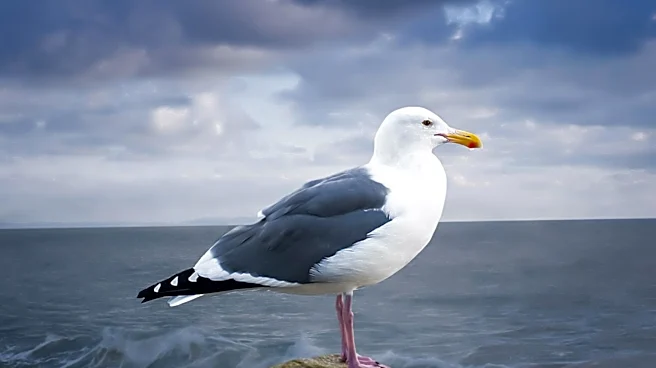
and Atmospheric Administration in June, is expected to reach historic strength, exacerbating already high ocean temperatures. Marine ornithologist Tammy Russell has reported finding numerous dead seabirds, including cormorants, on San Diego beaches, attributing these deaths to a massive marine heat wave that has persisted for months. The heat wave has reduced the availability of cold, nutrient-rich waters that support the food chain for seabirds and other marine life. As a result, many seabirds, such as California brown pelicans and loons, have starved to death. The situation is reminiscent of past events, such as the 2013 'blob' of warm water that caused significant ecological disruption.
Why It's Important?
The potential increase in seabird die-offs due to El Niño and rising ocean temperatures highlights the broader impact of climate change on marine ecosystems. The disruption of food webs can have cascading effects on marine biodiversity, affecting species from seabirds to gray whales. This situation underscores the vulnerability of marine life to climate-induced changes and the need for comprehensive monitoring and conservation efforts. The economic implications are also significant, as marine biodiversity supports fisheries and tourism industries. The ongoing changes could lead to shifts in species distribution, affecting local economies dependent on marine resources. Additionally, the situation serves as a warning of the potential for more frequent and severe climate-related events, emphasizing the urgency of addressing climate change.
What's Next?
As El Niño is expected to persist into 2027, scientists and wildlife officials will continue to monitor its impact on marine life. The US Fish and Wildlife Service is collecting data on seabird deaths, although a comprehensive report is not yet available. Conservation organizations may need to increase efforts to rehabilitate affected wildlife and mitigate the impacts of food shortages. Policymakers and environmental groups might advocate for stronger climate action to address the root causes of these ecological disruptions. The scientific community will likely focus on understanding the long-term effects of repeated marine heat waves and developing strategies to protect vulnerable species.
Beyond the Headlines
The situation with seabird die-offs due to El Niño and marine heat waves raises ethical and ecological questions about human responsibility in mitigating climate change impacts. It highlights the need for global cooperation in reducing greenhouse gas emissions and protecting marine environments. The event also serves as a case study for understanding the complex interactions between climate phenomena and biodiversity, potentially informing future conservation strategies. The cultural significance of seabirds and marine life to coastal communities adds another layer of importance, as these species are integral to local heritage and identity.