

What's Happening?
Erfan Soltani, an Iranian protester detained for participating in anti-government demonstrations, is reported to be in good physical health, according to his family and a human rights group. Soltani was arrested on January 10 and charged with 'assembly
and collusion against the country’s internal security' and 'propaganda activities' against the regime. Concerns about his potential execution were raised by the U.S. State Department and his family. However, Iran's judiciary has not sentenced him to death, and his family confirmed that his execution was postponed. The protests, which began in late December, were fueled by public discontent over Iran's economic conditions, leading to over 24,000 arrests, as reported by the Human Rights Activists News Agency.
Why It's Important?
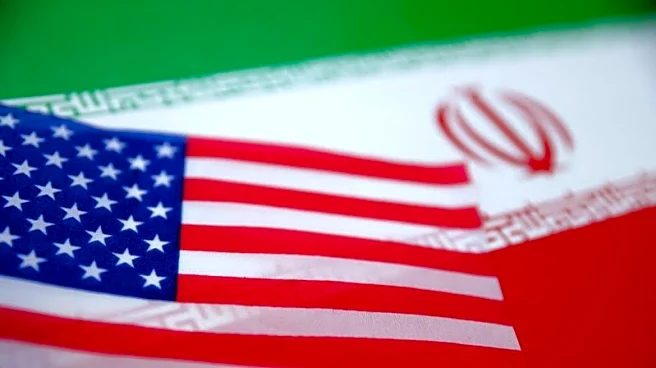
The situation highlights the ongoing tensions between Iran and the international community, particularly the United States, regarding human rights and political freedoms. The potential execution of protesters like Soltani could exacerbate diplomatic strains and impact Iran's relations with Western countries. The U.S. has expressed concerns over Iran's handling of the protests, which could influence future diplomatic and economic policies. The case also underscores the broader issue of political dissent in Iran and the regime's response to civil unrest, which remains a critical point of international scrutiny.
What's Next?
Iran's judiciary has indicated that some protesters could still face severe penalties, including execution, under charges of 'moharebeh' or 'waging war against God.' This suggests that the Iranian government may continue to take a hardline approach against dissent. The international community, particularly human rights organizations and foreign governments, may increase pressure on Iran to ensure fair treatment of detainees and respect for human rights. The U.S. and other countries might consider diplomatic or economic measures in response to Iran's actions.
Beyond the Headlines
The case of Erfan Soltani and others highlights the complex interplay between domestic policy and international relations in Iran. The regime's response to protests not only affects its internal stability but also its global standing. The potential for severe punishments raises ethical questions about the balance between national security and human rights. Long-term, Iran's handling of dissent could influence its economic prospects, as international investors and partners weigh the risks of engaging with a country facing significant internal and external challenges.