








What's Happening?
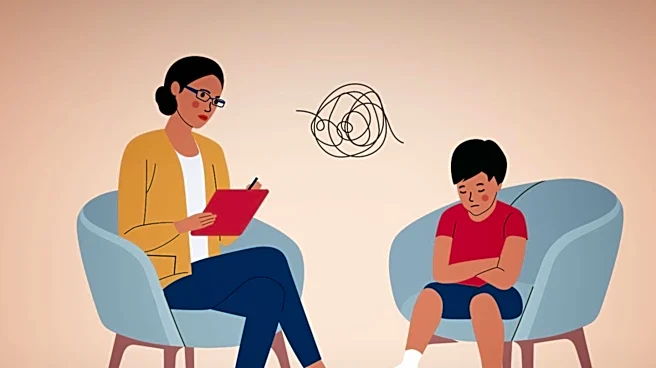
Henry Ford Health's ongoing RESTED clinical trial is exploring the effectiveness of early, sleep-focused telehealth therapy for individuals who have experienced trauma. Initial findings indicate strong engagement, with over 76% of enrolled trauma patients
proceeding to treatment. This contrasts with previous studies where only about half of emergency department patients sought outpatient mental health care. The trial enrolls patients within 72 hours of a traumatic event, after their discharge from Henry Ford Health's emergency departments. Participants receive one of four interventions—cognitive behavioral therapy for nightmares, cognitive behavioral therapy for insomnia, sleep education with nightmare education, or sleep education without nightmare education—all delivered via telehealth video visits. This approach has been highly favored by patients, with 100% reporting the sessions as 'very easy' to attend and nearly 86% preferring video visits for future care. Dr. David Moore, PsyD, director of Trauma and Acute Care Surgical Psychology Services at Henry Ford Health, highlights the encouraging interest in nightmare treatment and patients' willingness to engage when traditional barriers are removed.
Why It's Important?
This research holds significant implications for mental health care access and the prevention of serious mental health challenges, particularly for populations frequently exposed to trauma like military veterans and first responders. Nightmares affect an estimated one in six U.S. veterans and are strongly linked to an increased risk of PTSD and suicidal thoughts. By addressing sleep problems early, the RESTED trial aims to intervene before more severe mental health issues emerge. The high patient engagement with telehealth suggests a viable model for expanding access to care, especially for those who find in-person visits difficult. Dr. Anthony Reffi, PhD, the study's principal investigator, emphasizes the need to move beyond traditional approaches to reach more people in need. If early sleep interventions can reduce the risk of PTSD and improve long-term recovery, it could lead to a paradigm shift in post-trauma care, potentially reducing the burden on healthcare systems and improving outcomes for countless individuals.
What's Next?
Researchers are actively seeking additional grant funding to expand on the RESTED pilot trial. The next phase of research will focus on examining whether addressing sleep problems soon after trauma can effectively reduce the risk of PTSD and contribute to long-term recovery. The preliminary findings suggest a strong case for further investigation into the broader implications of early nightmare treatment as an entry point to mental health care. If successful, this approach could lead to the development of new clinical guidelines and widespread adoption of early telehealth interventions for trauma survivors across the U.S. The continued support from organizations like the American Academy of Sleep Medicine Foundation Strategic Research Grant will be crucial for advancing this promising area of research and potentially transforming how post-traumatic mental health care is delivered.
Beyond the Headlines
The success of telehealth in the RESTED trial underscores a broader shift in healthcare delivery, accelerated by recent global events. The preference for video visits among trauma patients highlights the potential for technology to overcome geographical and logistical barriers to care, making mental health services more accessible and equitable. This approach also touches upon the ethical consideration of early intervention, aiming to prevent suffering rather than solely treating established conditions. The focus on nightmares as an early indicator and intervention point for PTSD could lead to a more proactive and preventative model of mental health care. Furthermore, the study's implications extend to public health policy, suggesting that investing in accessible, early-stage mental health support for trauma survivors could yield significant societal benefits, including reduced rates of PTSD, suicide, and associated healthcare costs. This could also influence how emergency departments and first responder organizations integrate mental health support into their immediate post-trauma protocols.