




What's Happening?
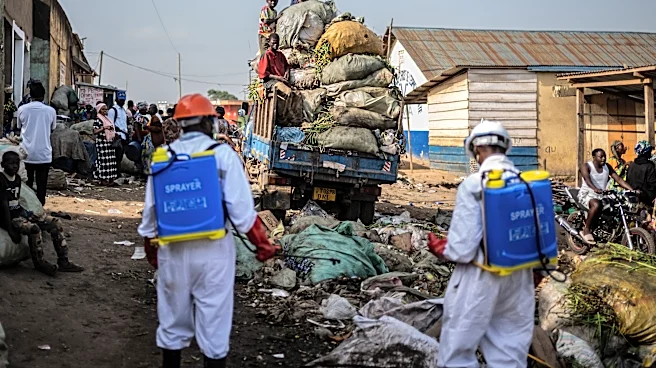
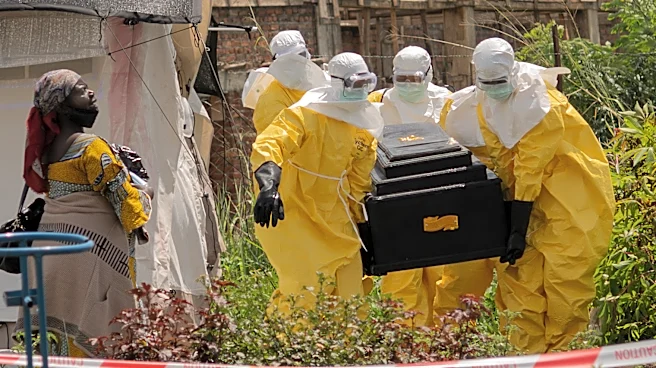
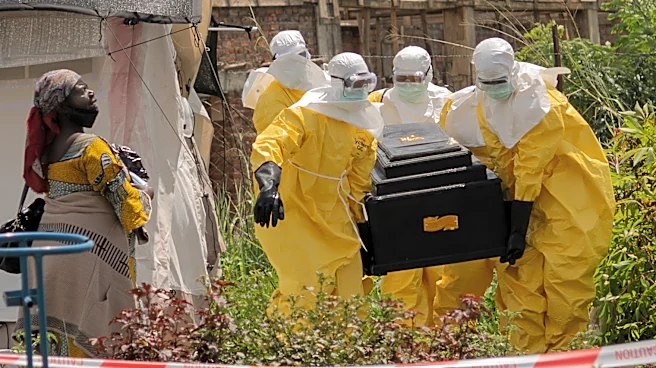
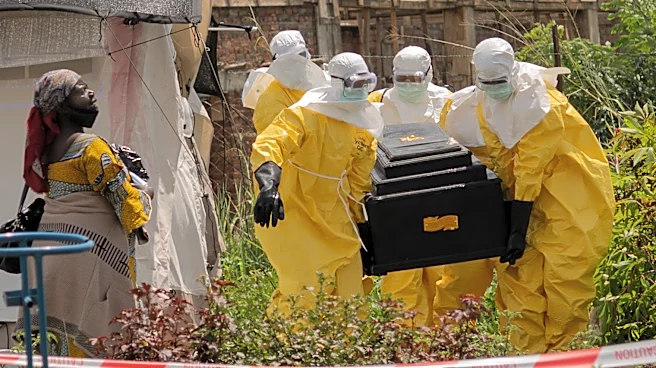
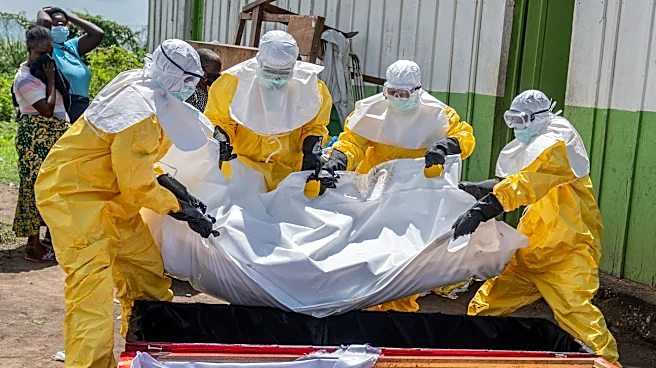
The World Health Organization (WHO) has reported a rapidly escalating Ebola outbreak in the Ituri province of the Democratic Republic of the Congo. As of the latest briefing, the outbreak has resulted in nearly 750 cases and 177 deaths, making it the third
largest recorded. The outbreak was first reported on May 15, and WHO Director-General Tedros Adhanom Ghebreyesus has stated that the situation is spreading rapidly. The WHO has raised the risk level to 'very high' nationally, while maintaining a 'high' risk regionally and 'low' globally. The outbreak is complicated by the presence of the Bundibugyo virus, which lacks established vaccines or therapeutics, and is occurring in areas with armed conflict and weak health systems.
Why It's Important?
The rapid spread of the Ebola outbreak in the Democratic Republic of the Congo poses significant challenges for global health security. The lack of vaccines and therapeutics for the Bundibugyo virus strain complicates containment efforts, relying heavily on case finding, isolation, and contact tracing. The outbreak's location in conflict zones with weak health infrastructure exacerbates the difficulty of controlling the virus. This situation highlights the need for robust international support and preparedness to prevent further escalation and potential cross-border spread. The outbreak also underscores the importance of timely detection and response to infectious diseases to mitigate their impact.
What's Next?
The WHO and local health authorities are intensifying efforts to control the outbreak through active case finding and contact tracing. However, the situation remains challenging due to the virus's spread in conflict-affected areas. The international community may need to provide additional support to strengthen local health systems and ensure effective response measures. Monitoring the outbreak's progression and adjusting strategies as needed will be crucial to prevent further escalation. The WHO's ongoing assessments and updates will guide global and regional responses to this public health threat.