







What's Happening?
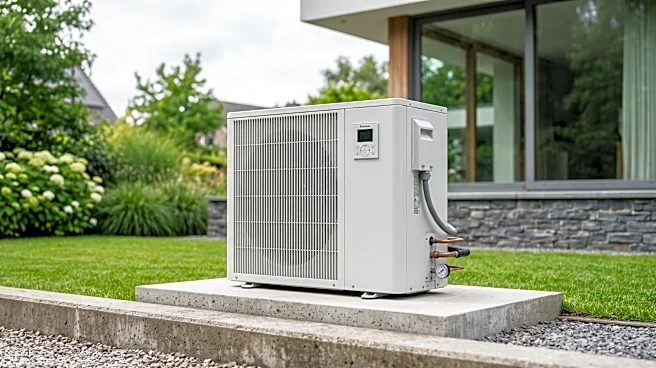
Maryland utilities are reportedly overcharging households that use heat pumps for their electricity, leading to higher bills and discouraging the adoption of these energy-efficient systems. According to an analysis by Switchbox, residential electric rates
cause heat pump users to pay an average of $359 more per year than the actual costs they impose on the system. This issue stems from how utilities structure their delivery charges, which are part of the price per kilowatt-hour (kWh). While increased winter electricity consumption with heat pumps logically incurs higher energy supply costs, users are also paying roughly double for delivery, despite winter usage typically not requiring new grid investments. Electric grids in Maryland are primarily designed for peak demand during hot summer months when air conditioners are heavily used. Heat pump users, however, increase their electricity consumption in winter when grid infrastructure is underutilized, meaning they use existing spare capacity without triggering additional upgrades or costs. This current rate structure effectively means heat pump customers are subsidizing households that rely on methane gas for heating.
Why It's Important?
This overcharging of heat pump users in Maryland has significant implications for the state's climate goals and energy affordability. Maryland's Climate Solutions Now Act (CSNA) mandates a reduction in climate pollution to net-zero by 2045, with a target of 60 percent below 2006 levels by 2031. The widespread deployment of millions of efficient heat pumps is considered crucial to achieving these targets and improving air quality. By making heat pumps more expensive to operate, the current utility rate structure actively discourages their adoption, thereby impeding the state's progress toward its environmental objectives. Furthermore, in a period of rising home energy costs, this issue exacerbates the financial burden on households that have invested in more efficient heating solutions. Correcting these rates could lower bills for heat pump users, making these systems more attractive and accessible, and aligning economic incentives with environmental policy goals.
What's Next?
Maryland regulators and legislators are being urged to take action to rectify the overcharging of heat pump users. A proposed solution involves implementing a new electric rate specifically for households with heat pumps that more accurately reflects their impact on the grid. SwitchBox's analysis suggests that a fair rate for Baltimore Gas & Electric (BGE) customers would involve approximately a 30% reduction in charges for transmission, distribution, and energy efficiency programs for heat pump users, while energy supply rates would remain unchanged. Such a change would significantly improve the long-term affordability of heat pumps, potentially accelerating their adoption across the state. The ongoing discussions around energy reliability, electricity prices, and power demand, which have become prominent political issues nationally and in Maryland, are likely to influence the urgency and nature of these regulatory adjustments. Stakeholders, including environmental groups, consumer advocates, and utility companies, will likely engage in further dialogue and advocacy to shape future rate structures.
Beyond the Headlines
The issue of utility rate structures for heat pump users in Maryland highlights a broader challenge in the transition to clean energy: ensuring that existing regulatory frameworks adapt to new technologies and support, rather than hinder, environmental goals. The current system, designed around fossil fuel heating, inadvertently penalizes early adopters of cleaner technologies. This situation raises ethical questions about fairness and equity in energy costs, as those investing in sustainable solutions are effectively subsidizing less efficient alternatives. It also underscores the need for proactive policy adjustments to align economic incentives with climate action. If left unaddressed, such discrepancies could erode public trust in climate initiatives and slow down the pace of decarbonization. The outcome in Maryland could set a precedent for other states grappling with similar challenges, influencing how utilities nationwide adjust their pricing models to support the widespread adoption of heat pumps and other clean energy technologies.