





What's Happening?
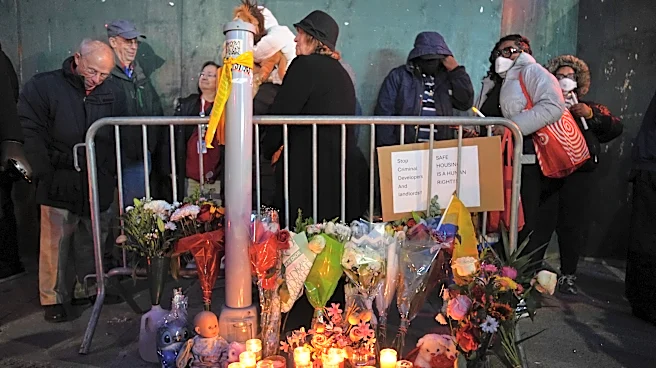
The remains of two Ecuadorian construction workers, José Caguana, 26, and Gabriel Sigüenza, 22, who died in a building collapse in New York, have been repatriated to Ecuador. Caguana's body was received by relatives in Quisapincha, his hometown in the
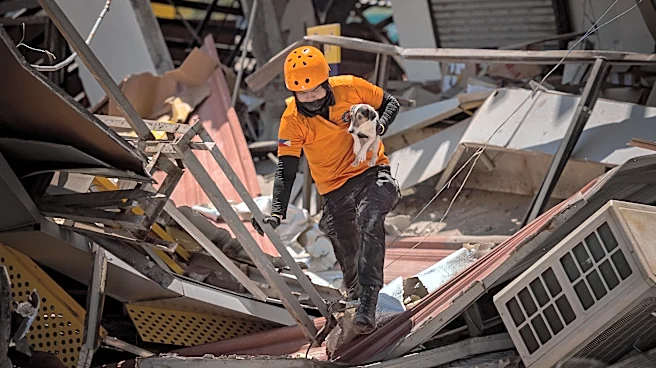
central Andean region, where friends and family gathered to mourn. Sigüenza's remains were expected to arrive in Guayaquil before being transported to his family in Cañar. The Ecuadorian government covered the costs of the repatriations. The November 11 collapse of a three-story building next to an excavation site in Brooklyn killed eight people, including individuals from Ecuador, Mexico, Guatemala, and Trinidad. The incident is currently under investigation, with city officials noting that the demolition of the previous building lacked adequate safeguards. Court records also indicate that the construction company involved had faced two lawsuits alleging damage to adjacent buildings in other projects, and the collapsed building itself had a history of safety violations.
Why It's Important?
This tragic event highlights the significant risks faced by migrant workers in the U.S. construction industry, particularly those who have migrated without authorization. Tens of thousands of Ecuadorians have come to the United States in recent years seeking employment due to economic instability, high unemployment, and increasing violence in their home country. The deaths of these workers underscore the vulnerability of this population to dangerous working conditions and potential exploitation. The incident also brings to light broader issues within the construction sector, including the enforcement of safety regulations and accountability for companies with a history of violations. For the Ecuadorian community in the U.S., this event is a stark reminder of the sacrifices made by those seeking better opportunities abroad, often at great personal cost. The government's involvement in repatriation efforts reflects the national impact of such tragedies on sending countries.
What's Next?
The investigation into the building collapse is ongoing, and authorities will likely continue to examine the circumstances that led to the tragedy, including the adequacy of demolition safeguards and the construction company's adherence to safety protocols. This could lead to potential legal actions, fines, or stricter oversight for the company involved and potentially for the broader construction industry in New York. For the families of the deceased, the immediate future involves grieving and navigating the aftermath of their loss. There may be calls for increased protections for construction workers, particularly those in vulnerable positions, and for more rigorous enforcement of labor laws and safety standards. Advocacy groups may also intensify efforts to support migrant workers and ensure their rights and safety are prioritized in the workplace. The incident could also prompt discussions about immigration policies and the pathways available for individuals seeking work in the U.S.
Beyond the Headlines
The deaths of José Caguana and Gabriel Sigüenza resonate beyond the immediate tragedy, touching upon the complex socio-economic factors driving migration from Ecuador to the United States. The narrative of leaving home in search of a better life only to return as a casualty is a poignant reflection of the harsh realities faced by many economic migrants. This event also exposes systemic issues within the U.S. construction industry, where the demand for labor can sometimes overshadow safety concerns, particularly for undocumented workers who may be less likely to report unsafe conditions due to fear of deportation. Ethically, the incident raises questions about corporate responsibility, regulatory oversight, and the moral obligations of host countries towards migrant labor. Culturally, it reinforces the deep ties between migrant communities and their homelands, as evidenced by the government-funded repatriations and the communal mourning in Ecuador. This tragedy serves as a stark reminder of the human cost embedded in global labor migration patterns.