






What's Happening?
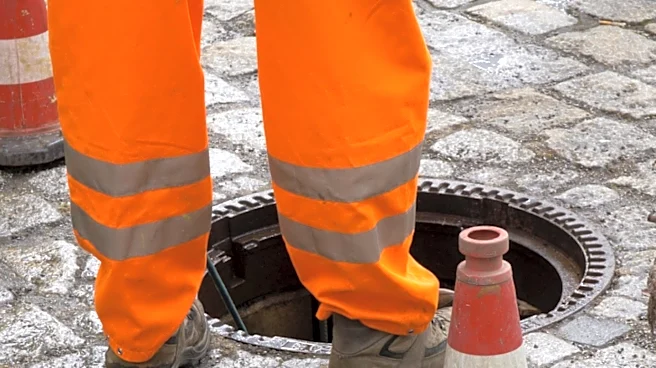
The Village of South Wayne in Lafayette County, Wisconsin, has issued a boil water advisory following a water main break. The Lafayette County Sheriff’s Office (LCSO) confirmed the advisory on Sunday afternoon. Residents served by the Village’s water system
are instructed to bring water to a rolling boil for at least one minute before using it for drinking, cooking, food preparation, or brushing teeth. Alternatively, commercially bottled water is recommended. Officials also advised against using unboiled tap water for activities like dishwashing where ingestion might occur. The Wisconsin Department of Natural Resources (DNR) is currently conducting necessary water testing, and the advisory will remain in effect until these tests confirm the water is safe for consumption. The incident highlights the vulnerability of local infrastructure to unexpected failures and the immediate public health measures required in such situations.
Why It's Important?
This boil water advisory is critically important for public health and safety in the Village of South Wayne. A water main break can introduce contaminants into the public water supply, posing a significant risk of waterborne illnesses if the water is consumed without proper treatment. The advisory serves as an immediate protective measure, guiding residents on how to safely use water to prevent health issues. For the community, this means a temporary disruption to daily routines, requiring extra precautions for basic activities like hydration and hygiene. Economically, local businesses, particularly those in the food service industry, may face operational challenges and potential financial losses due to the need to comply with the advisory. The incident also underscores the importance of robust water infrastructure maintenance and rapid response protocols by local authorities and utility providers to safeguard public health. The involvement of the Wisconsin DNR emphasizes the regulatory oversight and scientific testing required to ensure the safety and quality of municipal water supplies.
What's Next?
The immediate next step for the Village of South Wayne is the ongoing water testing by the Wisconsin Department of Natural Resources. The boil water advisory will remain in effect until the DNR confirms that the water supply is safe for consumption, which could take several days depending on the nature of the contamination and testing protocols. Residents should continue to adhere strictly to the advisory guidelines. Once the water is deemed safe, the LCSO and Village officials will issue an 'all clear' notification to the community. Following the resolution of the advisory, there will likely be an assessment of the water main break's cause and the overall condition of the Village's water infrastructure. This could lead to discussions about preventative maintenance, infrastructure upgrades, and emergency preparedness plans to minimize the likelihood and impact of future incidents. Local businesses will also need to ensure their operations are fully compliant before resuming normal activities.
Beyond the Headlines
Beyond the immediate public health concern, the boil water advisory in Lafayette County highlights deeper issues related to aging infrastructure and environmental resilience in rural American communities. Ethically, it raises questions about equitable access to safe drinking water, particularly in smaller municipalities that may have limited resources for infrastructure maintenance and upgrades. The incident underscores the critical role of public utilities and regulatory bodies like the DNR in safeguarding essential services and public well-being. Environmentally, water main breaks can lead to significant water loss and potential environmental contamination, prompting discussions on sustainable water management practices. Socially, such advisories can create anxiety and inconvenience, particularly for vulnerable populations who may lack access to alternative water sources or the means to boil water effectively. The recurring nature of infrastructure failures across the U.S. suggests a broader national challenge that requires substantial investment and long-term planning. This event in South Wayne serves as a stark reminder of the foundational importance of reliable infrastructure for community health, economic stability, and overall quality of life.