





What's Happening?
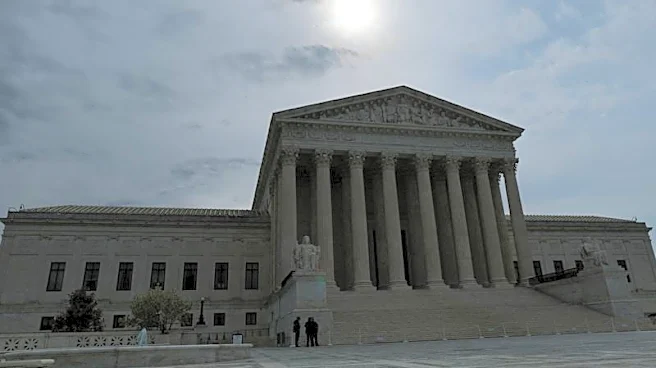
The U.S. Supreme Court is set to review a case concerning the enforcement authority of Labor Department judges over the H-2A visa program for seasonal agricultural workers. The case arises from a previous ruling by the Third Circuit, which held that administrative
law judges lack the power to enforce violations of the program. Sun Valley Orchards LLC challenged the penalties imposed by the Department of Labor, arguing that the judge system is unconstitutional under Supreme Court precedent. The case will test the scope of the 'public rights' exception, which allows agencies to enforce certain matters outside of Article III courts.
Why It's Important?
The outcome of this case could have significant implications for the enforcement of labor regulations and the authority of administrative law judges. A decision in favor of Sun Valley Orchards could limit the power of federal agencies to enforce regulations, potentially affecting the protection of wages and working conditions for U.S. workers. This case also touches on broader constitutional questions regarding the separation of powers and the role of administrative agencies in the U.S. legal system.
What's Next?
The Supreme Court's decision will clarify the extent of the Department of Labor's authority under the Constitution and the Immigration and Nationality Act. Depending on the ruling, there may be changes to how labor violations are adjudicated, potentially impacting the enforcement of labor standards and the rights of workers. Stakeholders, including businesses and labor advocates, will be closely monitoring the case for its implications on labor policy.