


What's Happening?
Farmers in Tajikistan are facing significant challenges due to an unusually warm winter, with average January temperatures 1-2 degrees Celsius above normal. This climate volatility is causing concern among agriculturists, as it may negatively impact agriculture
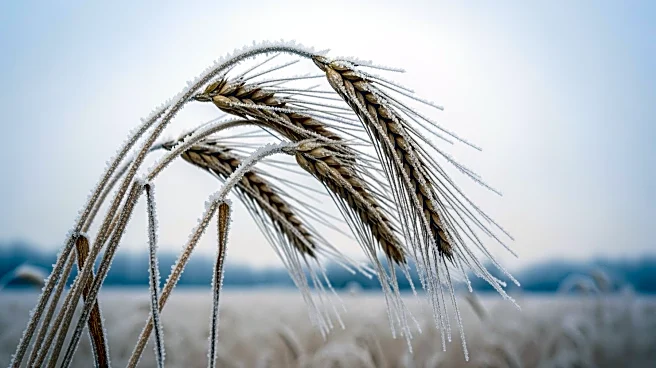
and future harvests. Meteorologists predict sharp temperature fluctuations, with lows of minus 20 C and highs of 12 C, alongside reduced precipitation. Experts recommend watering crops to compensate for the lack of snow cover, which typically protects plants from heat damage. The warm temperatures have caused some vegetation to awaken early, making them vulnerable to upcoming cold snaps, which could damage buds and flowers, leading to potential crop losses.
Why It's Important?
The fluctuating weather conditions in Tajikistan highlight the broader impact of climate change on agriculture. The potential for severe damage to crops poses a threat not only to farmers but also to communities and the region's food security. As the world has warmed significantly over the last century, such weather extremes are becoming more common, affecting agricultural productivity globally. The lack of snow cover and early plant growth increase the risk of crop damage from frost, while unseasonable weather may allow insect pests, harmful bacteria, and fungi to survive and multiply, further threatening agricultural yields.
What's Next?
To mitigate the effects of extreme weather, farmers are advised to update irrigation equipment and change water management methods. Globally, scientists are working on developing crops that can withstand weather extremes, such as heat-tolerant varieties, and improving irrigation and pest protection technologies. Long-term solutions involve reducing pollution from fossil fuels, which contribute to global warming and extreme weather events. Individuals can also contribute by growing their own food, rewilding their yards, and capturing rainwater to support a more sustainable future.