








What's Happening?
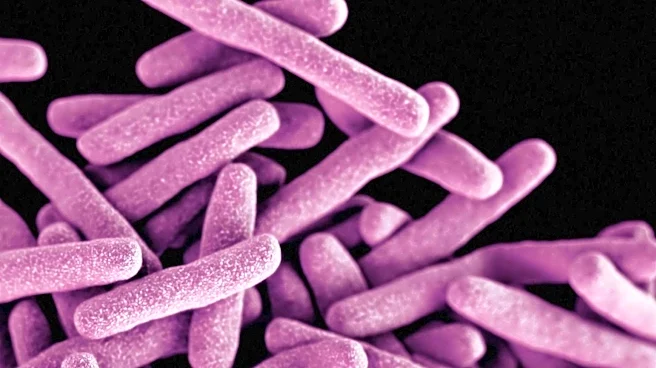
A Legionnaires' disease outbreak in Manhattan's Upper East Side has resulted in 63 cases, with new diagnoses slowing, according to health officials. The New York City Department of Health and Mental Hygiene has been inspecting buildings for the disease-causing
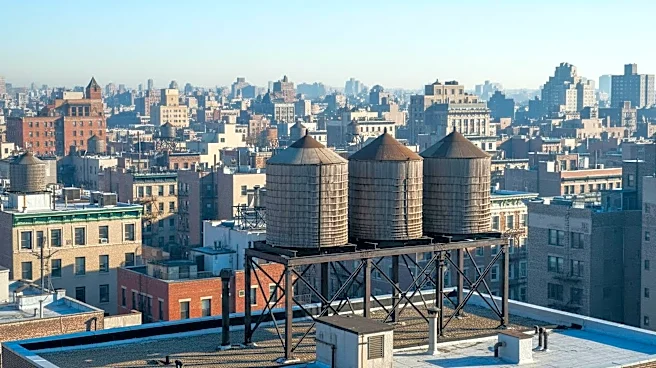
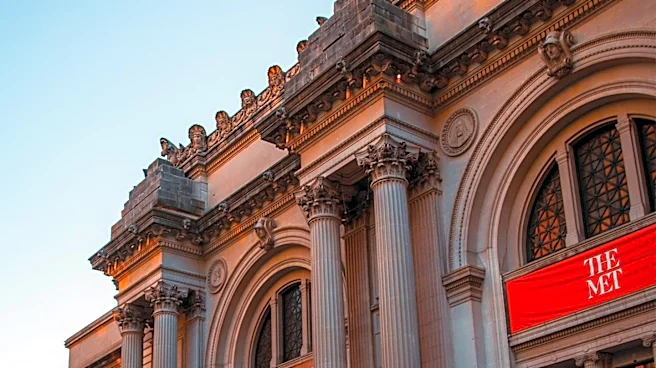
bacteria but has not yet identified a definitive source. The outbreak, first identified on July 2, has led to 49 hospitalizations, with 12 patients still hospitalized. The city has inspected 183 cooling towers in the area, finding 76 positive for the bacteria, including the Metropolitan Museum of Art. The museum and other affected buildings have been ordered to complete cleaning and remediation protocols. The disease, caused by Legionella bacteria, is treatable but can be fatal in about 10% of cases.
Why It's Important?
The outbreak highlights the ongoing public health challenges posed by Legionnaires' disease, particularly in densely populated urban areas like New York City. The disease can have severe health impacts, especially for vulnerable populations, and the outbreak underscores the importance of regular maintenance and inspection of building cooling systems. The situation also raises concerns about public safety in high-traffic areas such as museums and schools. The city's proactive approach in ordering cleanups before confirmatory tests are complete reflects a shift in public health strategy to prevent further spread.
What's Next?
Health officials continue to monitor the situation and conduct confirmatory culture testing to identify live bacteria. The city aims to complete remediation of all affected cooling towers by Thursday. Ongoing investigations may lead to further public health measures or policy changes regarding building maintenance standards. The outcome of these efforts will be crucial in preventing future outbreaks and ensuring public safety.