





What's Happening?
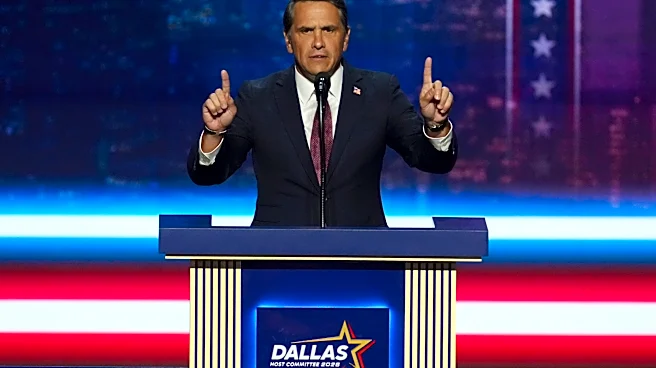
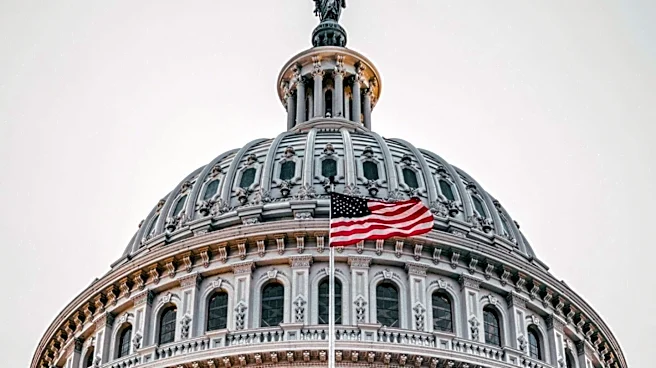
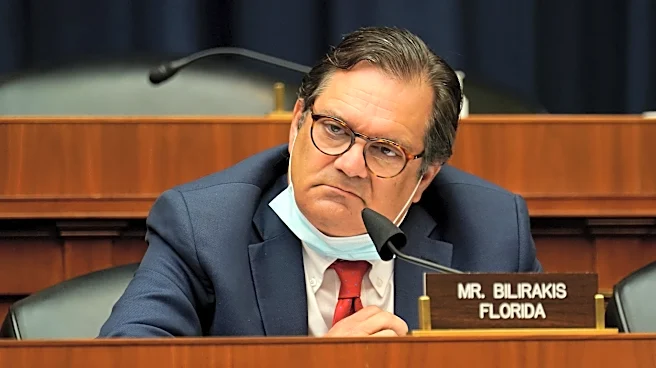
The House of Representatives has passed H.R. 10326, known as the Preventing Rip-offs and Obtaining Oversight of Funds Act (PROOF Act), sponsored by New Jersey Representative Jeff Van Drew. The bill passed with a vote of 217-207, with six Democrats supporting
it and one Republican opposing. This legislation mandates that states provide the Justice Department with information necessary to investigate alleged fraud within federally funded programs such as Medicaid, SNAP, and TANF. The scope of these records is strictly limited to fraud-related law enforcement purposes. Representative Van Drew emphasized that states should not impede fraud investigations when federal taxpayer dollars are involved. The bill has now been referred to the Senate Judiciary Committee for further consideration. This measure is part of a cluster of bills recently approved by the House, many of which aim to strengthen anti-fraud efforts.
Why It's Important?
The passage of the PROOF Act is significant for federal oversight and the integrity of taxpayer-funded programs. By requiring states to share fraud-related information with the Justice Department, the bill aims to enhance the federal government's ability to detect and prosecute misuse of funds in critical social welfare programs. This could lead to more efficient allocation of resources and greater accountability for federal expenditures. For states, the bill introduces a new mandate that some Democrats have characterized as federal overreach, potentially creating tension between state and federal authorities regarding data sharing and investigative autonomy. The legislation reflects a broader effort to combat fraud, building on initiatives from the Trump administration, and could impact how federal agencies collaborate with state counterparts in financial investigations. The outcome in the Senate will determine the ultimate implementation of these new requirements and their long-term effects on federal-state relations and fraud enforcement.
What's Next?
The PROOF Act, H.R. 10326, has been referred to the Senate Judiciary Committee. The next step will involve the committee's review and potential scheduling of a vote. If it passes the committee, it will then proceed to a full Senate vote. The bill's passage in the House, with a relatively close margin and bipartisan division, suggests that its journey through the Senate may also face scrutiny, particularly concerning the balance of federal and state powers. Stakeholders, including state governments and advocacy groups for federal programs, will likely monitor its progress closely. The bill's future will depend on its ability to garner sufficient support in the Senate, where debates on federal mandates and state autonomy are common. There is no scheduled Senate vote at this time for this bill or the other anti-fraud measures passed by the House.
Beyond the Headlines
The PROOF Act touches upon deeper implications regarding federalism and data privacy. While the stated goal is to combat fraud, the requirement for states to share information with the Justice Department raises questions about the extent of federal authority over state-administered programs and the potential for data misuse, even with limitations on record use. The debate around 'federal overreach' highlights ongoing tensions between centralized federal control and states' rights, particularly when it involves sensitive data related to citizens receiving public assistance. This legislation could set a precedent for future federal mandates on state data sharing, potentially influencing how other federal programs are monitored and enforced. The long-term impact could include a shift in the balance of power between federal and state agencies in fraud investigations, and it may prompt discussions about the appropriate scope of federal intervention in state-level program administration.