




What's Happening?
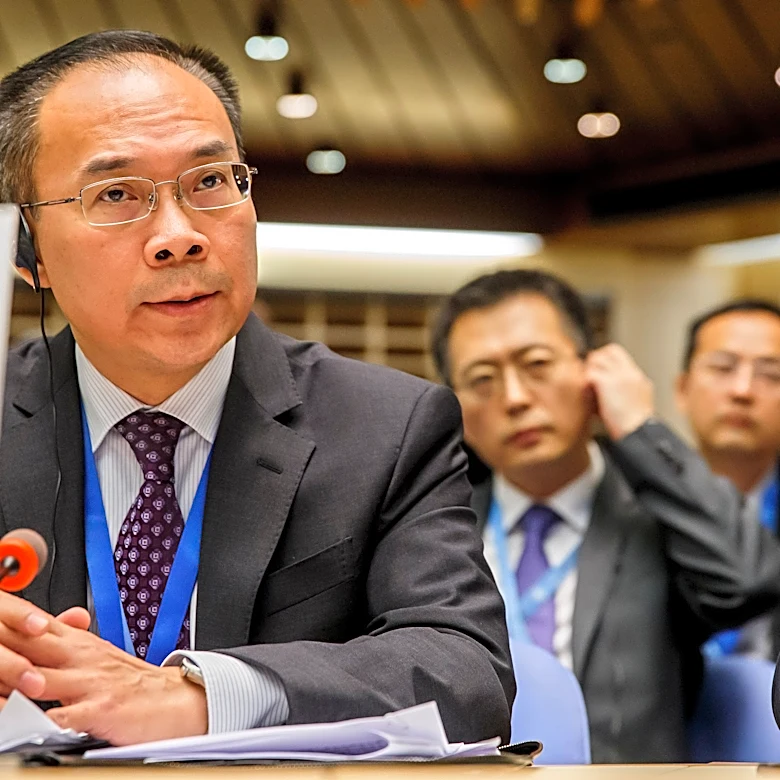
The U.N. Committee on the Rights of Persons with Disabilities is tasked with monitoring how countries implement the Convention on the Rights of Persons with Disabilities and fulfill their obligations. Starting in 2027, committee members, including newly
elected human rights advocate Mushegh Hovsepyan, will review reports from states, civil society organizations, national human rights institutions, and international organizations. They will engage with civil society representatives to understand challenges and then question government representatives. Based on this information, the committee will prepare recommendations for states to improve their practices before submitting subsequent reports. The committee's work also involves interpreting the broad language of the convention and developing general comments, such as current efforts on violence against persons with disabilities. Hovsepyan emphasized that governments should not be defensive during sessions, as the committee's purpose is to identify successes, shortcomings, and failures to offer support and guidance for improvement.
Why It's Important?
The work of the U.N. Committee on the Rights of Persons with Disabilities is crucial for ensuring that the rights of individuals with disabilities are upheld globally. Its monitoring function provides accountability for signatory nations, pushing them to address discriminatory practices and improve their policies. The committee's interpretations of the convention are vital, especially given the diverse contexts and definitions of disability across countries. For instance, it can challenge practices like the killing of people with albinism due to traditional beliefs or the delayed birth registration of children with disabilities. By providing recommendations and acting as a quasi-judicial body for individual complaints under the Optional Protocol, the committee influences national legislation and social attitudes, aiming to create more inclusive societies. The committee's focus on sensitive language and non-defensive engagement from governments highlights the importance of fostering a collaborative environment for progress rather than confrontation.
What's Next?
Beginning in 2027, the newly constituted U.N. Committee on the Rights of Persons with Disabilities will commence its review cycle. This will involve a structured process of examining reports from various stakeholders and engaging in dialogues with government representatives. The committee will continue its work on interpreting the convention's articles and developing general comments, with ongoing efforts focused on issues like violence against persons with disabilities. States will be expected to respond to the committee's recommendations and demonstrate progress in their subsequent reports. For countries that have ratified the Optional Protocol, individuals and groups will have the avenue to bring complaints before the committee after exhausting domestic remedies. The committee's ongoing efforts will aim to address the global setback in disability rights, which is exacerbated by factors such as conflict and climate change, by integrating these issues into its assessments.
Beyond the Headlines
The committee's role extends beyond mere compliance checks; it delves into the ethical and cultural dimensions of disability rights. The emphasis on avoiding discriminatory language, even seemingly affectionate terms that can become labels, underscores a deeper societal shift towards respectful and inclusive discourse. The challenge of varying definitions of 'disability' and 'inclusive education' across different countries highlights the complex interplay between international norms and local realities. The committee's efforts to navigate these differences, particularly in authoritarian states or those with limited resources, reveal the intricate diplomatic and advocacy work required to advance human rights. The potential for committee members, nominated by their states, to face pressure or conflicts of interest also points to the delicate balance between national interests and independent expert oversight in international bodies. Ultimately, the committee's work aims to foster a global understanding that disability rights are not an additional expense but a fundamental aspect of human dignity and societal development.