

What's Happening?
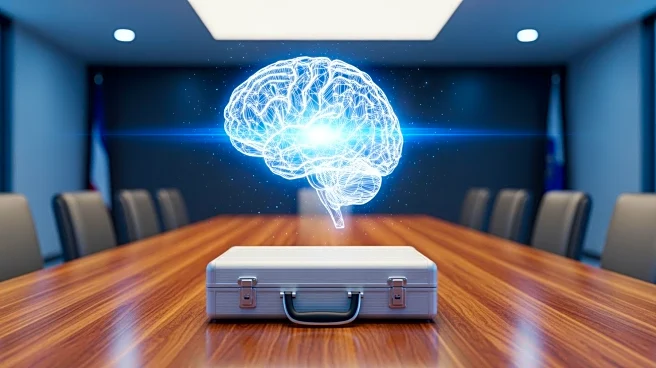
U.S. politicians are increasingly focusing on the potential impact of artificial intelligence on white-collar jobs. Concerns are growing that AI could lead to significant job losses in this sector, with predictions of a 10% to 20% increase in unemployment
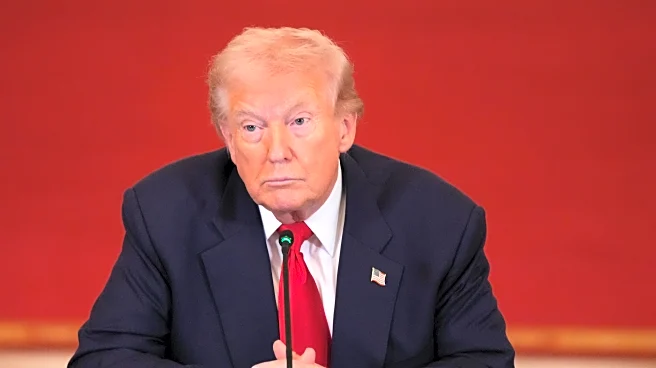
over the next five years. Florida Governor Ron DeSantis and other political figures are voicing concerns about AI's potential to make certain white-collar jobs obsolete. This shift in focus marks a departure from the traditional political emphasis on blue-collar job security, as AI's impact on the workforce becomes more pronounced.
Why It's Important?
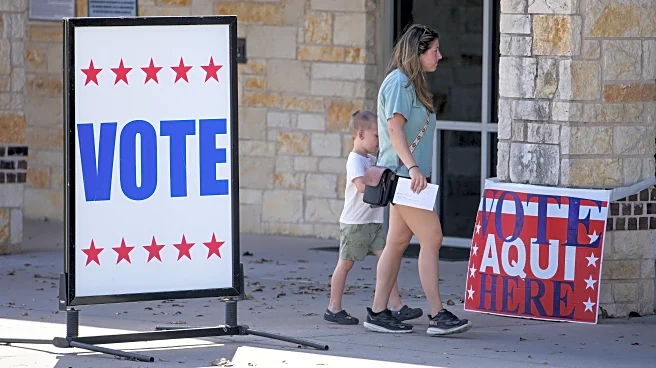
The attention on white-collar job security reflects a significant shift in political priorities, as AI technology continues to evolve and integrate into various industries. This development could lead to new policy initiatives aimed at protecting jobs and supporting workers affected by technological advancements. The political focus on AI's impact on employment highlights the need for strategies to manage the transition and mitigate potential economic disruptions. As white-collar workers represent a politically influential demographic, their concerns could shape future legislative agendas and influence electoral outcomes.
What's Next?
Policymakers may introduce measures to incentivize companies to avoid mass layoffs and provide support for workers transitioning to new roles. There could be increased efforts to develop policies that predict and address future unemployment trends. The political discourse around AI and employment is likely to intensify, with potential implications for upcoming elections and legislative priorities. As AI continues to transform the job market, the need for comprehensive strategies to manage its impact on employment will become increasingly urgent.