
What's Happening?
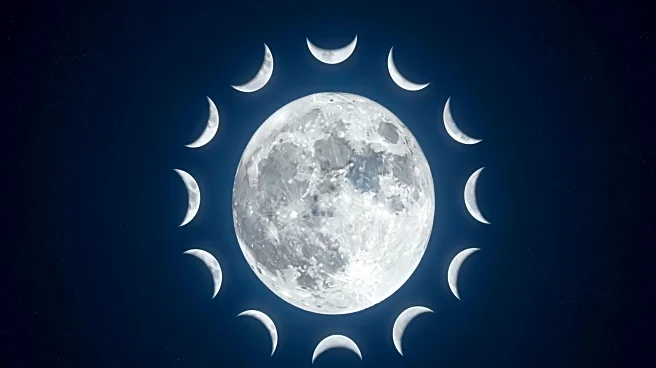
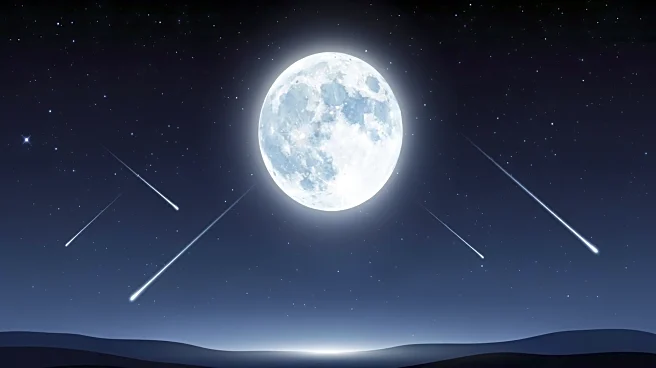
The first supermoon of 2026 will coincide with the Quadrantid meteor shower in early January. The supermoon, occurring when the moon is closest to Earth, will appear larger and brighter, potentially overshadowing the meteor shower. Typically, the Quadrantid shower can
produce up to 25 meteors per hour, but the brightness of the supermoon may reduce visibility to fewer than 10 meteors per hour. This celestial event marks the end of a four-month streak of supermoons, with the next not expected until late 2026.
Why It's Important?
The convergence of a supermoon and a meteor shower presents a unique observational challenge and opportunity for astronomers and enthusiasts. While the supermoon enhances the moon's visibility, it also poses a challenge for viewing the meteor shower, highlighting the interplay between different celestial phenomena. This event underscores the importance of understanding lunar cycles and their impact on other astronomical events. It also serves as a reminder of the dynamic nature of the night sky and the need for strategic planning in astronomical observations.
What's Next?
Following the January supermoon and meteor shower, the next significant celestial event will be the Lyrid meteor shower in April. Observers are advised to seek out dark-sky locations to maximize their viewing experience. The ongoing study of these events will continue to inform our understanding of lunar and meteorological phenomena, contributing to both scientific knowledge and public engagement with astronomy.