







What's Happening?
A study conducted by researchers at the Illinois Institute of Technology has found that incorporating mango and avocado into the daily diet of individuals with prediabetes can lead to significant improvements in cardiovascular health. The study, published
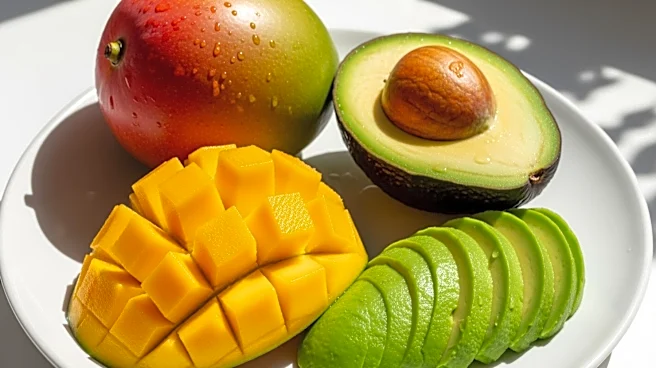
in the Journal of the American Heart Association, involved participants adding one medium Hass avocado and one cup of fresh mango to their meals and snacks each day for eight weeks. Results showed measurable improvements in blood vessel function and reductions in diastolic blood pressure, a key marker linked to cardiovascular risk. The study highlights the potential of simple dietary changes to enhance heart health without major lifestyle adjustments.
Why It's Important?
This research underscores the potential of dietary interventions in managing cardiovascular health, particularly for the 98 million Americans living with prediabetes. By demonstrating that small, nutrient-dense additions to the diet can improve heart health, the study offers a practical approach to reducing cardiovascular disease risk. The findings are significant as they suggest that such dietary changes can be implemented without altering calorie intake or body weight, making them accessible and sustainable for a wide population. This could lead to broader public health strategies focusing on food-based solutions to combat heart disease.
What's Next?
The study's findings may prompt further research into the specific mechanisms by which mango and avocado contribute to cardiovascular health. Additionally, public health campaigns could leverage these results to promote the inclusion of nutrient-rich foods in the diet as a preventive measure against heart disease. The food industry might also respond by developing new products or meal plans that incorporate these fruits, potentially influencing consumer habits and dietary guidelines.