




What's Happening?
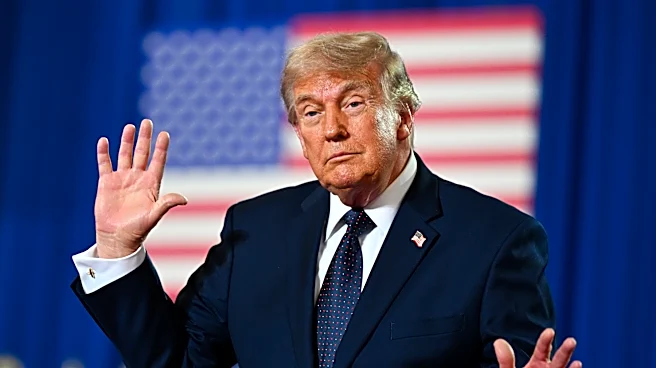
President Trump has issued a letter proposing a freeze on most federal civilian pay for 2027. This action, taken on August 26, replaces statutory pay increases that would otherwise occur under the Federal Employees Pay Comparability Act of 1990 with a zero
adjustment to base and locality pay. An exception is made for federal law enforcement personnel, who are slated for a 3.8% increase. Active-duty military members are also set to receive raises between 5% and 7%. The President justified the civilian pay freeze by stating it "will maintain fiscal responsibility without harming the government’s ability to recruit and retain well qualified employees," while arguing the law enforcement increase is necessary for recruitment and retention in those roles. Federal employee unions, including the National Treasury Employees Union (NTEU) and the American Federation of Government Employees (AFGE), have strongly criticized the proposed freeze, calling it a "slap in the face" and warning it could politicize the workforce and hurt recruitment and retention.
Why It's Important?
This proposed pay freeze has significant implications for the U.S. federal workforce and the broader economy. A freeze on civilian pay could impact the financial well-being of hundreds of thousands of federal employees, potentially reducing their purchasing power and affecting local economies where large numbers of federal workers reside. The contrasting pay adjustments for different federal employee groups raise concerns about fairness and equity, potentially leading to morale issues and a decline in job satisfaction among those facing a freeze. Unions argue that such a freeze could make it harder for the government to attract and retain skilled professionals, especially when private-sector wages for comparable work are reportedly higher. This could compromise the efficiency and effectiveness of federal agencies, impacting public services and national security. The debate also highlights the ongoing tension between fiscal conservatism and the need to maintain a competitive and motivated federal workforce.
What's Next?
While President Trump's letter establishes the administration's position, it is not the final word. Congress retains the authority to enact a different pay adjustment through legislation. Historically, Congress has overridden presidential pay freeze proposals, as seen during President Trump's first term. The Senate Appropriations Committee has yet to release its version of the FY2027 Financial Services and General Government (FSGG) bill, which could include provisions for a federal pay increase. Union advocacy and lobbying efforts will intensify, urging lawmakers to pass legislation like the FAIR Act, which proposes a 4.1% average raise for 2027. The outcome will likely depend on negotiations between the two chambers of Congress and the broader FY2027 government funding discussions. Federal employees will be closely watching these legislative developments to determine their financial outlook for the coming year.
Beyond the Headlines
The proposed pay freeze extends beyond immediate financial concerns, touching upon the fundamental value placed on public service and the long-term health of the federal government. The administration's rationale, which differentiates between the recruitment needs of various federal roles, could create a hierarchical perception of importance within the workforce, potentially undermining the collaborative spirit essential for effective governance. Furthermore, the repeated use of pay freezes as a cost-saving measure could lead to a gradual erosion of the federal government's ability to compete for top talent, particularly in specialized fields where private sector opportunities are abundant. This could result in a less experienced or less motivated workforce, ultimately impacting the quality of services provided to the American public. The unions' argument about politicizing the workforce underscores a deeper concern about the potential for political considerations to override merit-based compensation and workforce management principles.