


What's Happening?
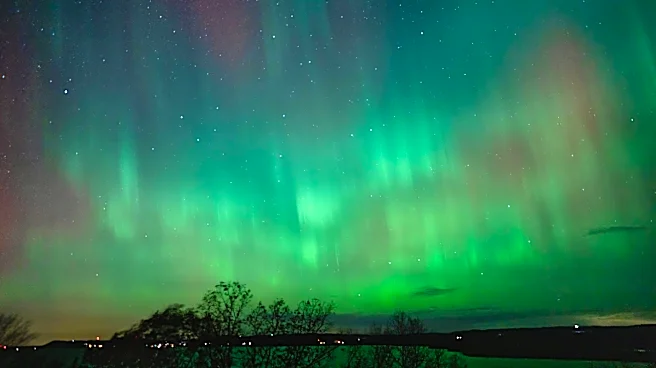
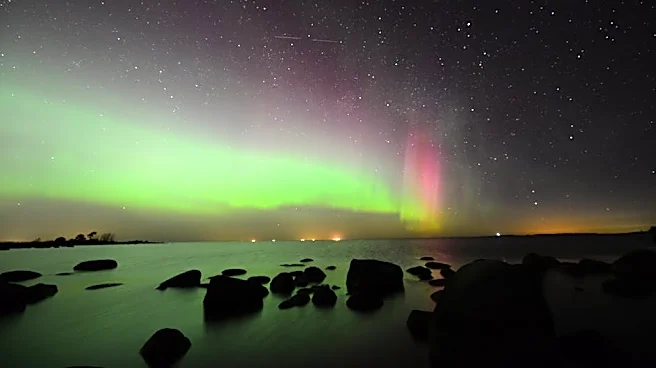
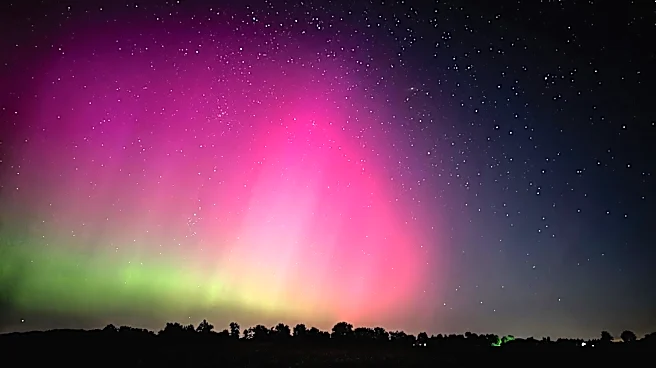
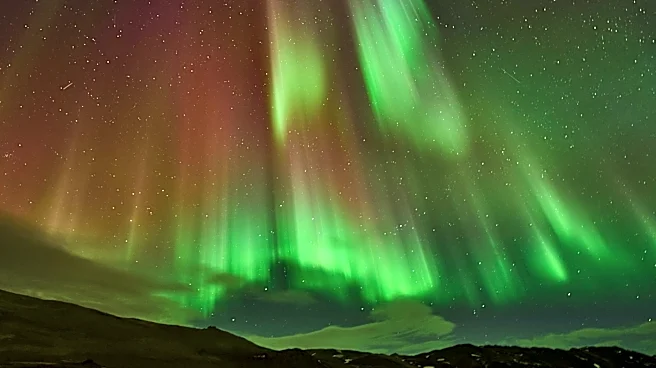
A geomagnetic storm is expected to make the Northern Lights visible across parts of the northern United States. The National Oceanic and Atmospheric Administration (NOAA) has issued a Geomagnetic Storm Watch for Thursday and Friday, with the most intense
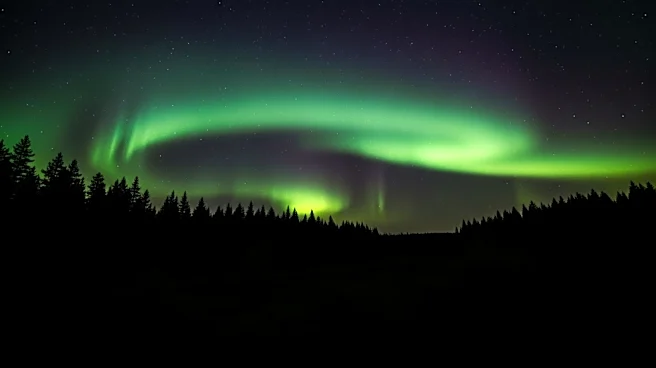
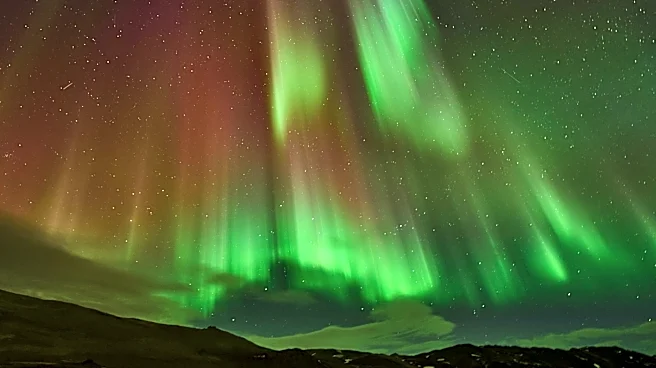
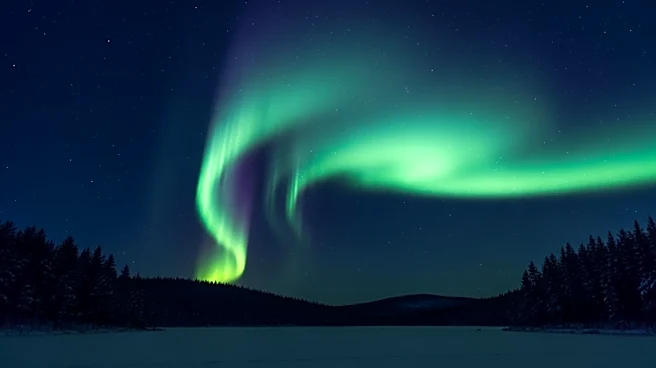
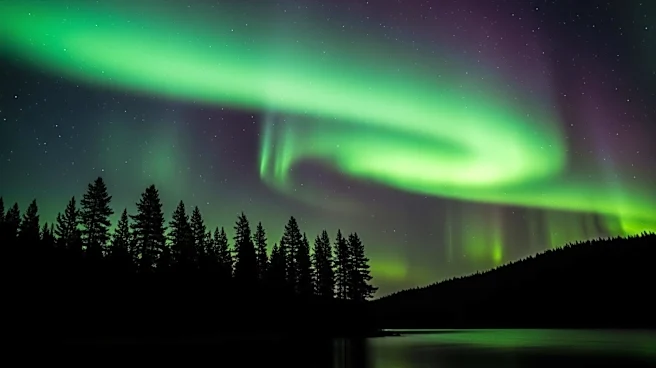
activity anticipated between 11 p.m. and 2 a.m. EST. This phenomenon is driven by a powerful stream of solar wind emanating from a massive coronal hole in the sun's atmosphere, which may trigger favorable conditions for viewing the aurora borealis. Residents in areas such as New York, Idaho, Michigan, Minnesota, North Dakota, Montana, and Washington could have the opportunity to witness this natural spectacle. However, visibility will depend on factors like cloud cover, darkness levels, and the interaction of Earth's magnetic field with the incoming solar winds.
Why It's Important?
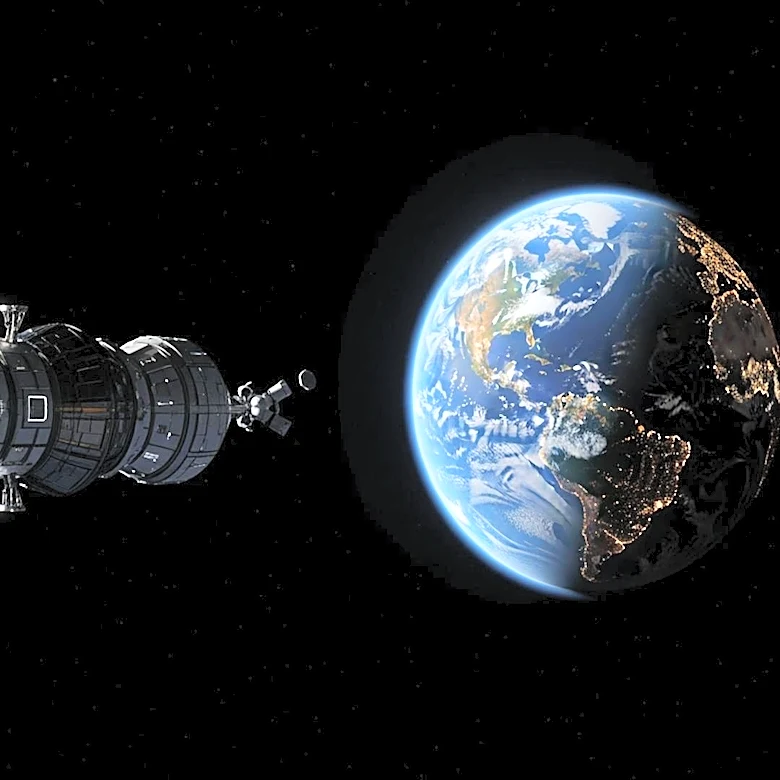
The potential visibility of the Northern Lights across the northern U.S. presents a rare opportunity for residents to experience this natural wonder without traveling to more northern latitudes. The event highlights the dynamic interactions between solar activity and Earth's magnetic field, which can have broader implications for understanding space weather and its effects on satellite operations and communication systems. For communities in the affected areas, this event could boost local tourism and provide educational opportunities about space weather phenomena. Additionally, the event underscores the importance of NOAA's role in monitoring and predicting space weather to mitigate potential disruptions to technology and infrastructure.
What's Next?
As the geomagnetic storm progresses, NOAA will continue to monitor solar wind activity and provide updates on the storm's intensity and duration. Residents in the affected areas are advised to seek out dark locations away from city lights for the best viewing experience. The use of smartphone cameras may also aid in capturing faint auroras. If the storm's intensity increases, it could lead to more widespread visibility of the Northern Lights, potentially extending to areas further south. Ongoing research and observation will contribute to a better understanding of geomagnetic storms and their impact on Earth.