





What's Happening?
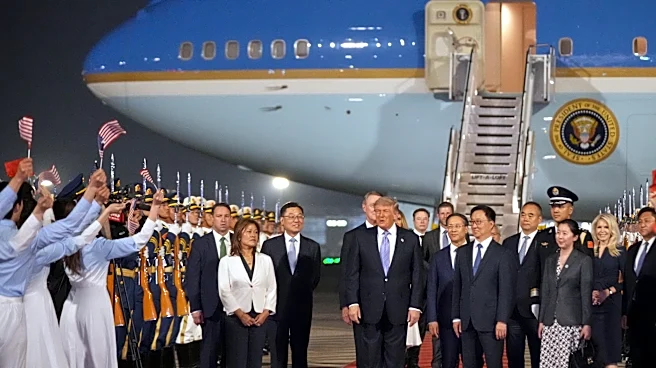
Eileen Wang, the former mayor of Arcadia, California, has admitted to acting as an illegal foreign agent for China. This admission comes as President Trump is in Beijing negotiating with Chinese President Xi Jinping. Wang, who resigned from her position
following the plea agreement, faces up to 10 years in prison. Federal prosecutors revealed that Wang, along with Yaoning 'Mike' Sun, operated a website called U.S. News Center, which disseminated pro-China propaganda targeting the local Chinese diaspora. The Justice Department accused them of concealing their ties to the Chinese government. Wang's actions are seen as part of a broader strategy by China to influence U.S. politics through local officials.
Why It's Important?
This case highlights the growing concern over foreign influence in U.S. politics, particularly from China. The use of local officials to promote foreign interests poses a threat to national security and democratic processes. The situation underscores the need for vigilance against covert foreign influence operations. The case also reflects China's strategy of leveraging the Chinese diaspora to influence U.S. views and politics. This development could lead to increased scrutiny of foreign ties among local officials and may impact U.S.-China relations, especially as President Trump engages in diplomatic talks with China.
What's Next?
Wang is expected to enter a guilty plea, although a hearing date has not been set. The case may prompt further investigations into foreign influence in local politics. It could also lead to policy changes aimed at preventing similar incidents. The U.S. government may increase efforts to monitor and counter foreign influence operations. Additionally, this case may influence public perception and policy discussions regarding U.S.-China relations, especially in the context of ongoing diplomatic negotiations.
Beyond the Headlines
The case raises ethical and legal questions about the responsibilities of public officials and the influence of foreign governments in domestic affairs. It also highlights the challenges of balancing national security with the rights of foreign-born citizens and the Chinese diaspora. The incident may lead to broader discussions about the role of foreign influence in shaping public opinion and policy in the U.S. It also underscores the importance of transparency and accountability in public office.