




What's Happening?
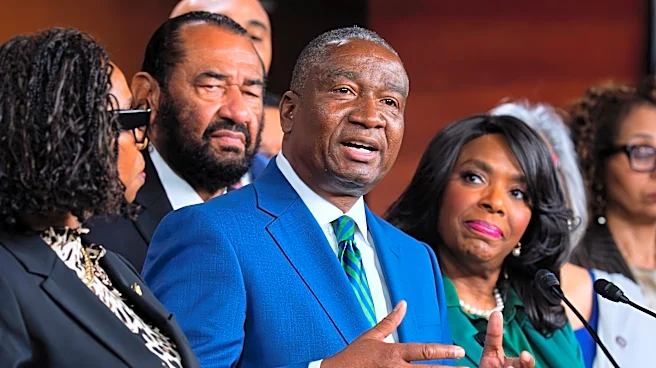
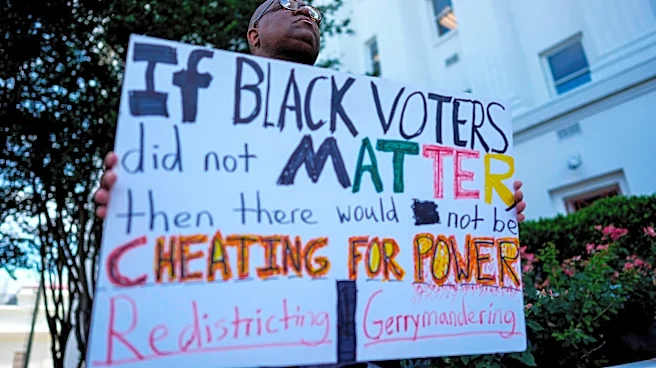
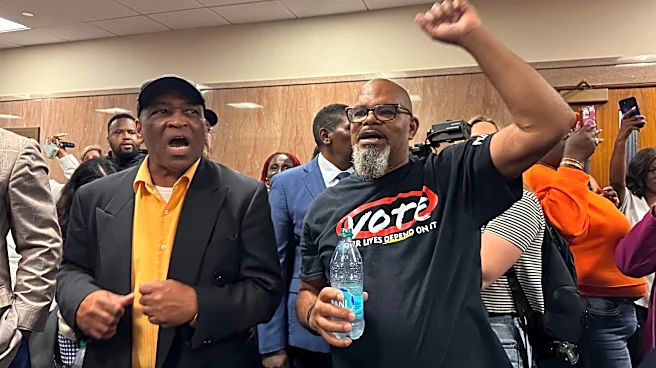
Nearly a third of the Congressional Black Caucus (CBC) members are at risk of losing their seats due to redistricting efforts led by Republican-controlled legislatures in southern states. This follows a Supreme Court decision that weakened Section 2 of the Voting
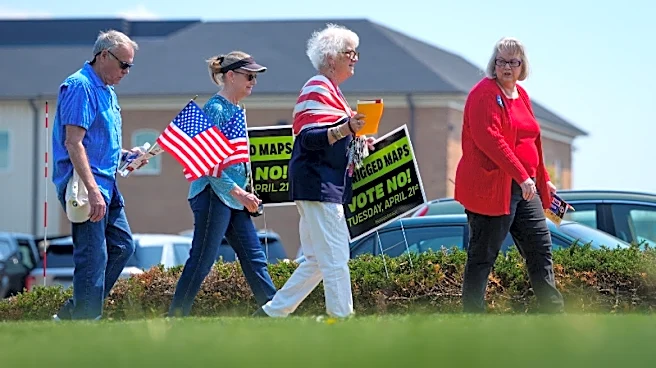
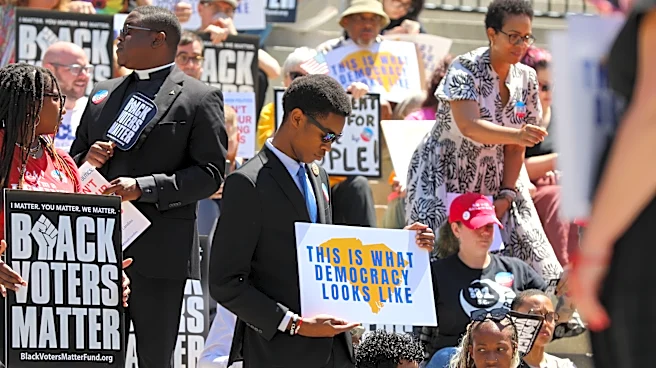
Rights Act, allowing states like Alabama to redraw congressional maps. The redistricting is part of a broader strategy to secure Republican control of the House of Representatives. The CBC, along with legal groups, is challenging these efforts, arguing they undermine Black political representation. The situation has sparked significant political debate and mobilization among Democrats to counteract these changes.
Why It's Important?
The redistricting efforts have significant implications for political representation and the balance of power in Congress. If successful, these changes could reduce the number of Black representatives, impacting legislative priorities and the political landscape. The situation underscores ongoing challenges in ensuring fair representation for minority communities and highlights the contentious nature of redistricting as a political tool. The outcome of these efforts could influence future elections and the ability of minority groups to have their voices heard in the political process.
What's Next?
Democrats, led by figures like House Minority Leader Hakeem Jeffries, are preparing to respond with their own redistricting efforts in states they control. Legal battles are expected to continue as the CBC and allied groups challenge the new maps in court. The political and legal maneuvers over redistricting will likely intensify as the 2028 election cycle approaches, with both parties seeking to maximize their electoral advantages. The situation remains fluid, with potential for significant shifts in congressional representation depending on the outcomes of these efforts.