






What's Happening?
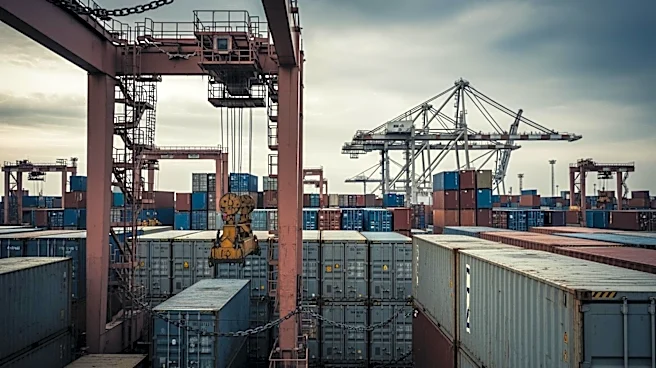
Global supply chain pressures have surged to their highest level since late 2022, driven by ongoing conflict in the Middle East. The GEP Global Supply Chain Volatility Index rose sharply in April, reflecting increased inflation, stockpiling, and material
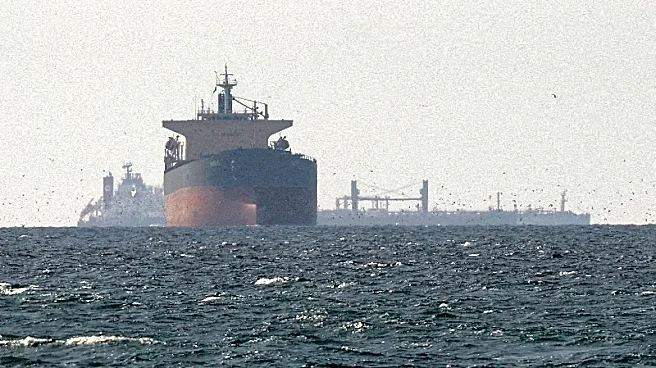
shortages. The conflict has disrupted tanker traffic through the Strait of Hormuz, leading to elevated oil prices and increased transportation costs. The index, which tracks 27,000 businesses, indicates significant stress on supply chains, with demand for production inputs and safety stockpiling reaching new highs. The impact is felt globally, with Asia experiencing the sharpest deterioration due to its reliance on Middle Eastern oil.
Why It's Important?
The escalation of supply chain pressures has broad implications for global trade and economic stability. The increased costs and shortages could lead to higher consumer prices and impact manufacturing output. Businesses may face challenges in securing necessary materials, potentially leading to production delays and reduced competitiveness. The situation highlights the vulnerability of global supply chains to geopolitical events and underscores the need for diversification and resilience strategies. The ongoing conflict and its impact on oil prices could also influence energy markets and economic policies worldwide.
What's Next?
Efforts to stabilize supply chains may focus on diversifying sources of materials and increasing inventory levels to mitigate future disruptions. Companies may also explore alternative transportation routes and invest in supply chain technologies to enhance visibility and efficiency. The geopolitical situation in the Middle East will be closely monitored, as any resolution could lead to a gradual normalization of supply chain conditions. Policymakers may consider measures to support affected industries and address inflationary pressures resulting from the supply chain disruptions.