





What's Happening?
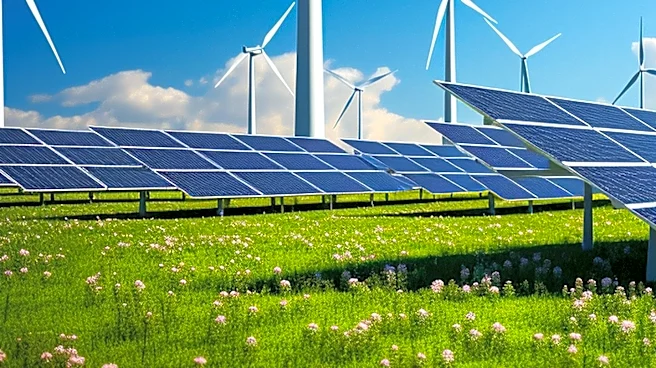
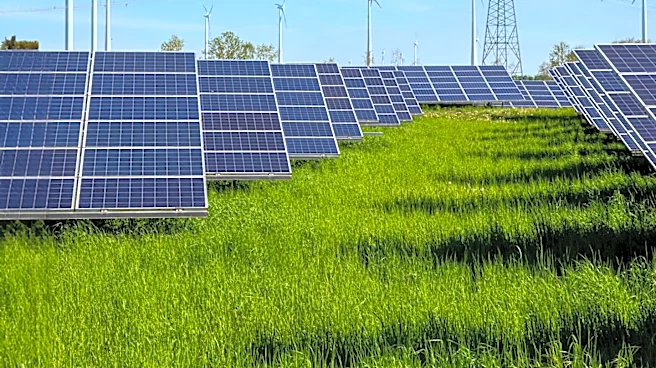
TotalEnergies, a French energy supermajor, has officially launched the Hydra Project in South Africa's Northern Cape province. This initiative represents Africa's largest hybrid renewable energy project, combining a 216-MW solar photovoltaic plant with
a 500 MWh battery energy storage system. Developed in collaboration with partners Hydra Storage Holding and Reatile Renewables, the facility is designed to generate 400 gigawatt-hours of electricity. Under a 20-year power purchase agreement, the Hydra Project will continuously supply 75 MW of renewable electricity to the national grid daily, from 5:00 a.m. to 9:30 p.m. Magali Pailhé, Managing Director of TotalEnergies Southern Africa, emphasized that the project aims to provide dispatchable renewable power, thereby enhancing South Africa's energy security and contributing to the decarbonization of its electricity generation. This project significantly boosts TotalEnergies' renewable production capacity in South Africa, which is the continent's largest power market by electricity consumption.
Why It's Important?
The inauguration of the Hydra Project marks a significant milestone in Africa's renewable energy landscape and has broader implications for global energy transition efforts. As the largest hybrid renewable energy project on the continent, it demonstrates the viability and scalability of combining solar power with substantial battery storage to provide reliable, dispatchable electricity. This model is crucial for countries like South Africa, which are heavily reliant on fossil fuels and face challenges in energy security and grid stability. The 20-year power purchase agreement provides long-term stability for the project and contributes to a more predictable energy supply for the national grid. Furthermore, the project's success could serve as a blueprint for other developing nations seeking to transition to cleaner energy sources, showcasing how large-scale renewable projects can be integrated into existing energy infrastructures to meet growing demand while reducing carbon emissions. The involvement of international and local partners also highlights the collaborative effort required for such ambitious undertakings.
What's Next?
The successful operation of the Hydra Project is expected to pave the way for further investments in hybrid renewable energy solutions across Africa. Its performance will be closely monitored as a case study for integrating intermittent renewable sources with energy storage to ensure grid stability. The project's long-term impact on South Africa's energy mix and its contribution to reducing carbon emissions will be a key focus. Other countries on the continent, including Egypt with its even larger planned joint venture along the Red Sea coast, are likely to draw lessons from Hydra's implementation. The project's success could also encourage more international energy companies to invest in similar large-scale renewable projects in emerging markets, accelerating the global shift away from fossil fuels. Continued technological advancements in battery storage and solar efficiency will further enhance the economic viability and widespread adoption of such hybrid systems.
Beyond the Headlines
The Hydra Project's significance extends beyond its immediate energy output, touching upon critical themes of sustainable development, technological innovation, and international cooperation. By providing a consistent supply of clean energy, it addresses not only environmental concerns but also socio-economic challenges, such as energy access and job creation in the renewable sector. The project's hybrid nature, combining solar and battery storage, represents a crucial step in overcoming the intermittency challenges traditionally associated with renewable energy sources, making them more reliable and competitive with conventional power generation. This development also underscores the evolving role of major energy companies like TotalEnergies, which are increasingly diversifying their portfolios to include renewable assets. The project's success could foster greater confidence among investors and governments in the potential of large-scale renewable energy projects to drive economic growth and achieve climate goals in developing regions, ultimately contributing to a more sustainable global energy future.