




What's Happening?
Senator Moody is actively campaigning for Florida to be the location for the newly announced U.S. Space Academy. As the deadline for state applications approaches, Senator Moody emphasizes Florida's historical role as the launchpad for American space
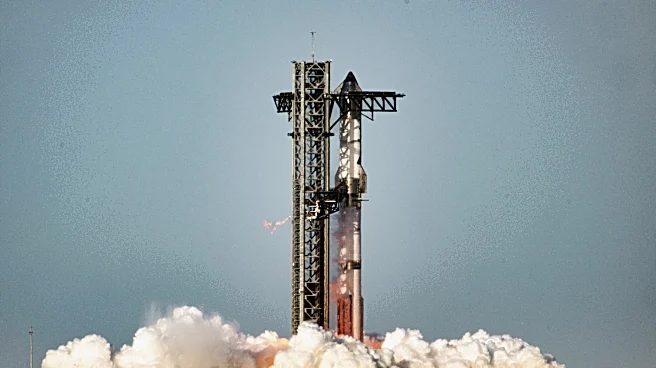
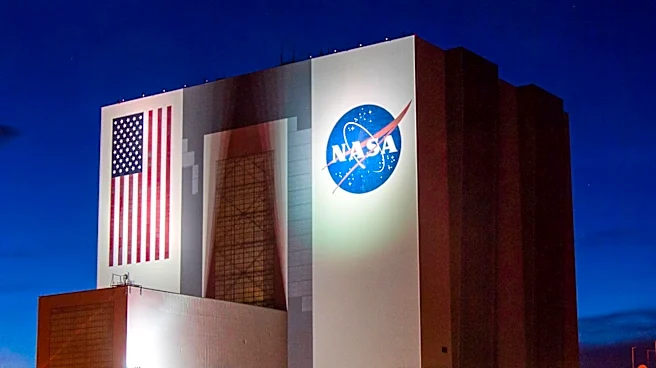
exploration and innovation, citing its Space Coast's contributions from the Mercury astronauts to the recent Artemis II launch. She argues that placing the academy in Florida would provide students with unparalleled access to innovations from both NASA and the private sector, offering connections and experience not available elsewhere. The proposed U.S. Space Academy is intended to train future U.S. Space Force officers and serve NASA and the commercial spaceflight industry. Launches from Florida's Space Coast have seen a significant increase, rising by over 500% since 2016. Senator Moody has also introduced legislation, including the STARS Act, to support bringing the academy to Florida and has collaborated with state partners to respond to NASA's request for information.
Why It's Important?
The decision on where to locate the U.S. Space Academy carries significant implications for regional economic development, job creation, and the future of the U.S. space industry. Florida, with its established space infrastructure and history, stands to gain substantially if selected, reinforcing its position as a leader in aerospace. The academy's presence would attract talent, foster innovation, and create a pipeline of skilled professionals for both military and civilian space endeavors. This initiative is crucial for maintaining U.S. competitiveness in space innovation and exploration, especially as global interest and investment in space continue to grow. Bolstering public-private partnerships, as suggested by Senator Moody's Secure U.S. Leadership in Space Act, could further accelerate advancements and ensure sustained growth in the sector, benefiting the broader U.S. economy and national security interests.
What's Next?
The immediate next step involves the review of state applications for the U.S. Space Academy. Senator Moody and her allies will continue to advocate for Florida's selection, highlighting its unique advantages and existing aerospace ecosystem. Beyond the academy's location, Senator Moody has introduced other legislative efforts, such as the Space Ready 2.0 Act, which aims to establish a NASA-wide pilot program allowing voluntary private contributions for infrastructure improvements at NASA centers. This proposal seeks to leverage private investment without new federal spending, potentially accelerating critical upgrades. Additionally, the CAPE Canaveral Act, also introduced by Senator Moody, proposes relocating NASA headquarters to Florida's Space Coast, further consolidating the state's role in national space efforts. These legislative initiatives indicate a sustained push to enhance Florida's prominence in the U.S. space program.
Beyond the Headlines
The competition for the U.S. Space Academy highlights a broader trend of states vying for federal projects that promise economic growth and technological leadership. This process often involves intense lobbying and strategic positioning, reflecting the significant long-term benefits associated with such institutions. The emphasis on public-private partnerships in space exploration, as championed by Senator Moody, signifies a shift towards more collaborative models for funding and innovation. This approach could lead to more efficient resource allocation and faster technological advancements, but also raises questions about the balance between public oversight and private interests in critical national endeavors. The outcome of this decision will not only shape the future of space education and defense but also influence regional development strategies across the nation.