






What's Happening?
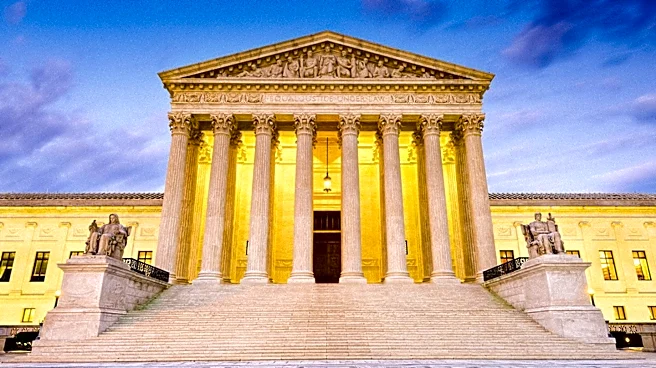
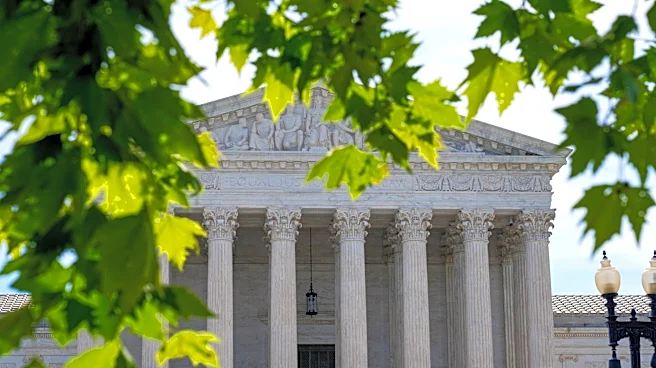
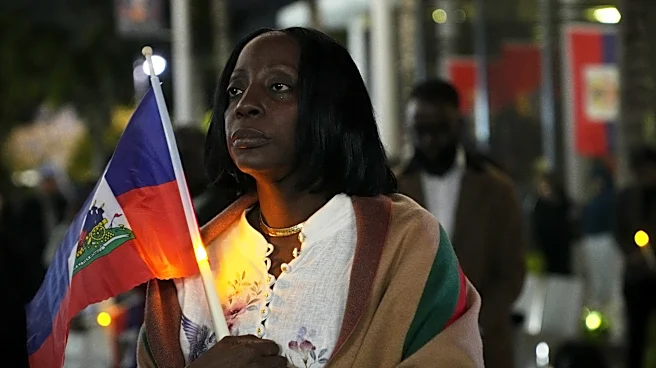
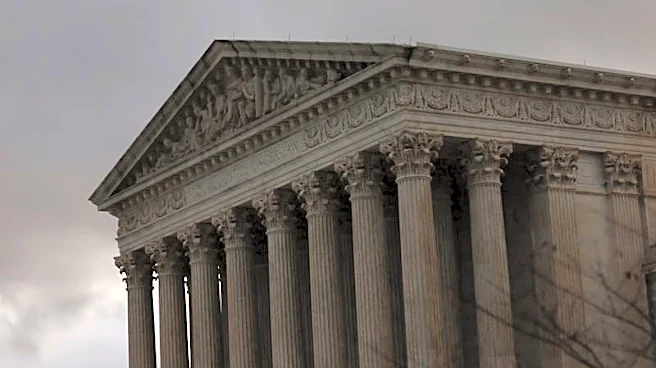
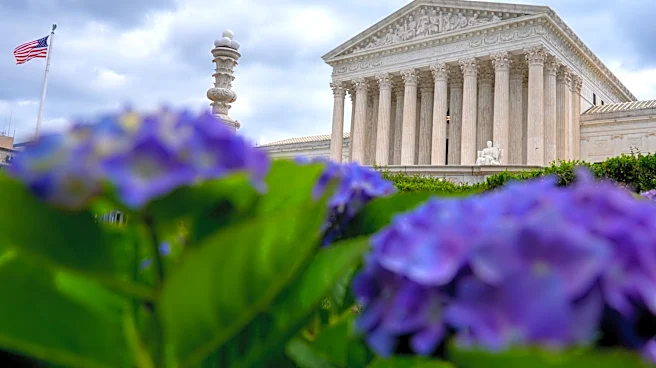
The U.S. Supreme Court has issued two significant rulings that support the Trump administration's efforts to modify immigration policies. The first ruling allows the administration to remove Temporary Protected Status (TPS) from hundreds of thousands
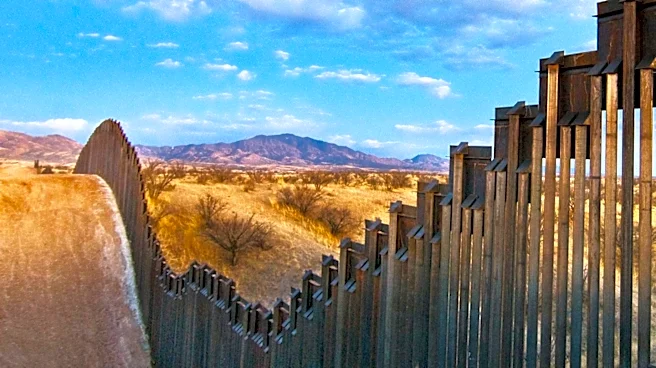
of Haitians and Syrians, making them vulnerable to deportation despite ongoing violence in their home countries. The second ruling permits U.S. border officials to turn back asylum seekers at the southern border, effectively blocking them from requesting asylum unless they have physically entered U.S. soil. These decisions have been met with strong criticism from lawmakers and immigration advocacy groups, who argue that the rulings undermine human rights and established legal protections for immigrants.
Why It's Important?
These Supreme Court decisions have far-reaching implications for U.S. immigration policy and the lives of many immigrants. By stripping TPS from individuals from countries deemed unsafe, the rulings could lead to the deportation of people who have been contributing to the U.S. economy and society. The decision to allow border officials to turn back asylum seekers could set a precedent for more restrictive immigration policies, potentially affecting the U.S.'s standing as a leader in refugee rights. The rulings highlight the ongoing tension between federal immigration policy and humanitarian concerns, with significant impacts on the legal and social landscape of the U.S.
What's Next?
The rulings may prompt further legal challenges and legislative efforts to protect TPS holders and asylum seekers. Advocacy groups are likely to continue their efforts to challenge these policies in court, while lawmakers may seek to introduce new legislation to counteract the effects of the Supreme Court's decisions. The rulings could also influence future immigration policy debates and the political landscape, particularly in the context of upcoming elections.
Beyond the Headlines
The decisions underscore a broader trend of increasing restrictions on immigration under the Trump administration, raising questions about the balance between national security and human rights. The rulings may also impact international perceptions of the U.S. as a destination for refugees and immigrants, potentially affecting diplomatic relations and global migration patterns.