




What's Happening?
Alternating Current (AC) and Direct Current (DC) are the two fundamental types of electrical power, each with distinct characteristics and applications. AC, characterized by its periodically reversing voltage and electron flow, is primarily generated
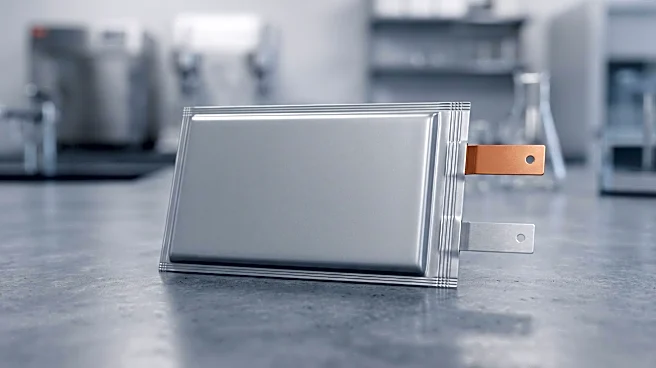
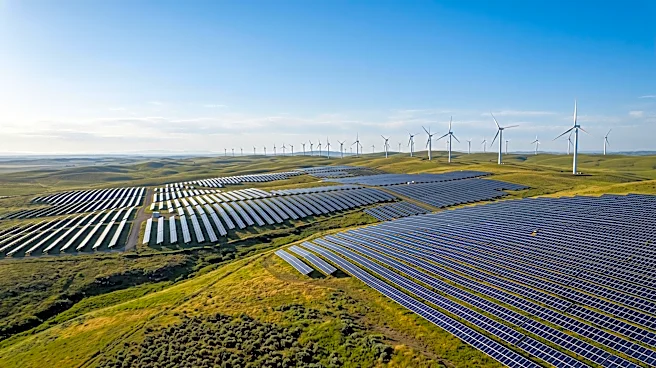
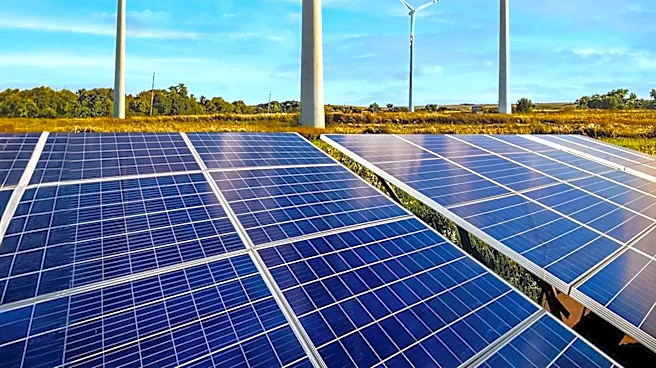
by alternators and is the standard for long-distance power transmission and household wall outlets. Its voltage can be easily adjusted via transformers, making it efficient for large-scale distribution. In contrast, DC maintains a fixed voltage polarity with charge flowing in a single direction, typically generated by chemical batteries and photovoltaic solar panels. DC is essential for modern semiconductor-based electronics, such as smartphones and laptops, and is the form of energy stored in batteries. While AC excels in large-scale power distribution, DC is crucial for portable devices, off-grid systems, and internal electronic circuits. Modern power infrastructure is hybrid, utilizing both AC for grid transmission and DC for device operation and energy storage, with inverters and rectifiers facilitating conversion between the two.
Why It's Important?
Understanding the differences between AC and DC power is critical for consumers, engineers, and policymakers in the U.S. It directly impacts the design and efficiency of electrical grids, the development of renewable energy systems, and the functionality of everyday electronics. For instance, the widespread adoption of electric vehicles (EVs) relies heavily on DC battery technology and efficient AC-to-DC charging infrastructure. The growth of solar power necessitates effective DC-to-AC conversion for grid integration. For homeowners, selecting appropriate chargers, inverters, and battery systems for RVs, marine applications, or off-grid solar setups requires this fundamental knowledge. In industrial settings, the choice between AC and DC motors and power supplies affects operational efficiency and cost. The ongoing evolution of power electronics aims to optimize these conversions, reducing energy loss and enhancing system reliability, which has broad economic and environmental implications for the nation's energy future.
What's Next?
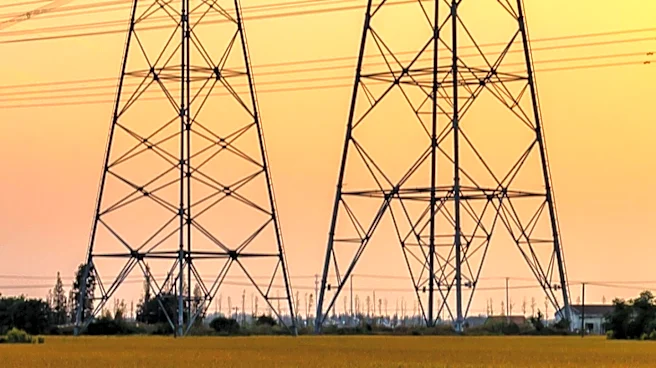
The future of power systems in the U.S. will likely see continued integration and optimization of both AC and DC technologies. Advancements in power electronics, such as more efficient inverters and rectifiers, will reduce conversion losses, making hybrid AC-DC systems even more practical. The expansion of DC microgrids, particularly in commercial buildings and data centers, is anticipated to improve energy efficiency by minimizing AC-DC conversions for many electronic loads. Furthermore, the development of high-voltage direct current (HVDC) transmission lines is expected to play a larger role in long-distance power transmission, especially for integrating remote renewable energy sources into the national grid, due to HVDC's lower transmission losses over long distances. As battery technology evolves, particularly for grid-scale storage and EVs, the interplay between AC and DC will become even more sophisticated, driving innovation in smart grid technologies and energy management systems.
Beyond the Headlines
The historical 'War of the Currents' between Thomas Edison's DC and Nikola Tesla's AC systems laid the foundation for today's hybrid power infrastructure, a testament to engineering evolution. Beyond practical applications, the coexistence of AC and DC highlights a fundamental principle in technology: no single solution is universally superior; rather, optimal systems leverage the strengths of different approaches. This duality also underpins the ongoing decentralization of energy production, with DC-generating solar panels and battery storage enabling greater energy independence for homes and businesses. The increasing reliance on DC-powered electronics also raises questions about energy resilience, particularly in the face of grid vulnerabilities. As the U.S. transitions to a more electrified and sustainable future, the nuanced understanding and strategic deployment of both AC and DC power will be crucial for innovation, energy security, and environmental stewardship, shaping everything from urban planning to individual consumer choices.